Why ‘Closer to Fine’ Still Feels Like Truth
The meaning of Closer to Fine Indigo Girls comes down to a simple but powerful idea: peace does not arrive when people solve life once and for all. It comes when they stop demanding one perfect answer.
"Closer to Fine" - Indigo Girls
Maybe give me insight between black and white
And the best thing you've ever done for me
Loading lyrics...
Unable to load lyrics
We're unable to display the lyrics at this time. Please try again later.
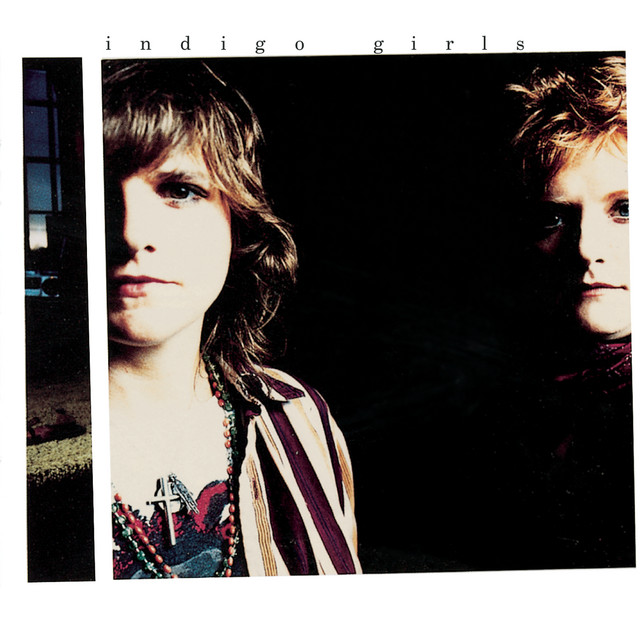
Released in 1989 as the lead single from the duo’s self-titled album, the song became Indigo Girls’ signature hit. According to Wikipedia, it was written by Emily Saliers and produced by Scott Litt. Its life grew again in 2023, when Barbie brought it to a new audience. That comeback makes sense, because the song’s message has aged well: confusion is normal, and searching can still be healthy.
A Song About Seeking Without Landing
At its core, the song follows a speaker trying many paths to wisdom. They look to experts, nature, children, books, religion, and even nightlife. None gives a final solution. Yet that failure is not tragic. It becomes the lesson.
The key thought is summed up in the title phrase, closer to fine
. “Fine” here does not mean perfect, healed, or finished. It means steady enough to keep living, learning, and moving. That is why the chorus feels so freeing. The song argues that certainty can be overrated.
Interpretation: this is a song about spiritual and emotional maturity. Instead of chasing total clarity, the speaker learns to live with partial answers. That shift turns anxiety into acceptance.

Watch the official Closer to Fine
music video
How the Verses Build the Message
The opening is personal and conversational. The speaker wants to explain their life and asks for room between extremes, hinted at by between black and white
. Right away, the song rejects rigid thinking. Life is not neatly divided into right and wrong, dark and light, success and failure.
Then the song moves into fear. One of its strongest images is wrapping fear up like protection. The line about a ship of safety
suggests they once trusted caution to keep them afloat. Instead, safety becomes a trap. The song is saying that self-protection can sink people if they never risk being open.
After that, the search expands outward. The famous list of places and people shows a restless mind trying every route available. Medicine, philosophy, nature, alcohol, friendship, religion, exercise, and activism all appear as possible sources of meaning. The point is not that these things are useless. It is that none can fully answer the biggest questions alone.
The Chorus Turns Confusion Into Wisdom
The chorus is the song’s center because it reframes the whole journey. The speaker admits there is more than one answer
, and those answers point in a “crooked” rather than straight line. That image matters. Growth is messy. Understanding comes in fragments.
there's more than one answer
pointing me in a crooked line
Those two short lines contain the song’s whole philosophy. Life does not move like a clean diagram. It moves through detours, bad nights, half-helpful teachers, and moments of accidental insight.
The final claim is even sharper: the less they chase something absolute, the nearer they get to peace. The song does not praise ignorance. It praises humility. That is a major reason listeners return to it during periods of doubt.
The Philosopher, the Bar, and the Mountains
One reason the lyric works so well is its range of settings. The philosopher verse lightly pokes fun at formal intellect. The professor figure is memorable, but the song suggests academic knowledge alone cannot save a person from confusion. Education has value, yet it is limited.
The bar verse makes a similar point from the opposite direction. Seeking comfort in a bottle or random company does not produce deep clarity either. That moment is human, not glamorous. It shows the speaker trying to feel better fast and waking up worse.
By contrast, the mountains and children feel less ironic. They represent sources of perspective outside systems of status and performance. Nature and innocence do not hand over “the answer,” but they help quiet the noise.
Why the Sound Makes the Meaning Stronger
The production supports the lyric beautifully. Indigo Girls build the song on acoustic guitars and their closely linked voices. As noted in coverage summarized by The New York Times, the duo’s melody and countermelody are a huge part of its impact. They do not just sing together; they sound like two lines of thought meeting.
That matters for meaning. A song about many answers should not sound lonely or rigid. Here, the harmonies create motion, tension, and release. The chorus rises higher and opens wider, making the emotional lift feel earned. The arrangement says what the lyric says: truth may be shared, layered, and unfinished.
The folk-rock setting also keeps the message grounded. Nothing about the performance feels distant or preachy. It sounds lived-in. That warmth is a big reason the song became a singalong favorite and later found new cultural life in Barbie.
Why It Still Connects Decades Later
The song’s lasting appeal comes from its honesty. It does not pretend that growth is neat. It tells listeners that doubt is part of being alive. For many people, that is more comforting than any easy slogan.
Interpretation: the meaning of Closer to Fine is not that answers do not matter. It is that people suffer when they demand one final, flawless answer from life. Indigo Girls offer a gentler alternative: keep searching, keep listening, and let imperfection be part of wisdom.
That is why the song still lands with new generations. It gives them permission to be unfinished.
Disclaimer: This interpretation separates documented facts from informed reading. Like most great songs, “Closer to Fine” can support more than one meaning.








