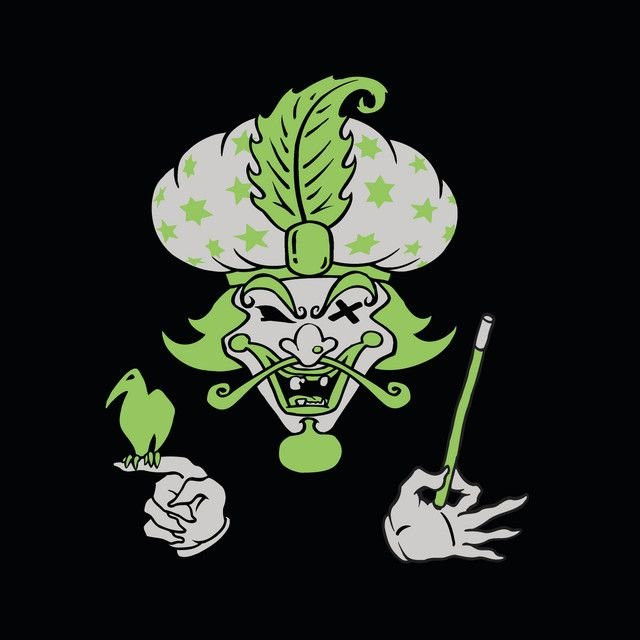
Why ‘Boogie Woogie Wu’ Turns Kids’ Fear Into Horror
The meaning of Boogie Woogie Wu Insane Clown Posse starts with a simple idea: the song takes the childhood fear of the boogeyman and pushes it into a grotesque, cartoon-slasher world. Insane Clown Posse were known for building horror stories around clown personas, and this track is one of their clearest examples of that style. Instead of offering a realistic threat, they create a monster who feels half nursery-rhyme, half midnight B-movie.
"Boogie Woogie Wu" - Insane Clown Posse
The ravenous blood-sick creature searches for its sacrifice
Through the hideous darkness, it lurches, driven by death itself
Loading lyrics...
Unable to load lyrics
We're unable to display the lyrics at this time. Please try again later.
Factually, the song is credited to Joseph Bruce, Joseph Utsler, and Mike E. Clark, the producer and creative partner who helped define the group’s early sound. Those credits are consistent with official release data and fan-documented discographies such as Discogs and Genius.
A Bedtime Story Gone Wrong
At its core, the song imagines what happens when a child’s bedtime fear becomes real. The opening sets the mood with stormy darkness and a hungry creature looking for victims. That framing matters because it tells listeners this is not a personal confession. It is a horror scene.
Then the song twists childhood language into something ugly and funny at once. Phrases like nighty night time
and nursery rhyme
sound harmless on the surface. But the verses quickly turn them into setup for violence, which is where ICP’s black humor comes in.
Interpretation: The point is not just to scare. It is to mock how fragile bedtime safety can feel when someone is young. A bed, a dark room, and a parent nearby are supposed to mean protection. Here, those same details become part of the threat.
Watch the official Boogie Woogie Wu
music video
The Monster Is a Character, Not a Confession
One reason the song still stands out is its narrator. They do not present the “Boogie Man” as a vague spirit. They give him a voice, a personality, and even awkward little comic moments. A line about stubbing a toe, for example, turns a killer into a strange physical clown.
That matters for the meaning of Boogie Woogie Wu Insane Clown Posse because ICP often blur horror and absurdity. The monster is brutal, but he is also ridiculous. He hides under beds, breaks into rooms, and talks trash like a slasher villain who knows he is being watched.
Why the second-person threats hit hard
The lyrics keep addressing “you,” which pulls the listener into the scene. Images like under your bed
and leave the door open
attack ordinary habits of childhood sleep. They use familiar details so the violence feels closer, even though it is exaggerated.
Interpretation: This second-person style makes the song feel like an urban legend told at a sleepover. That is a big reason it is memorable. They are not only describing a monster; they are performing a dare.
How the Hook Works Like a Corrupted Chant
The chorus repeats the title phrase so many times that it starts to sound like a playground rhyme. That repetition is important. It makes the monster feel bigger than any one scene.
Please don't let me fall asleep
'Cause the Boogie Man will creep
This short moment captures the song’s basic tension: sleep should bring rest, but here it invites danger. By turning a fear into a chant, the song acts like a cursed lullaby.
Interpretation: The hook works because it is simple enough to remember and weird enough to haunt. ICP often use repetition this way, making their horror imagery feel ritualistic, almost like a carnival chant.
Sound, Shock, and the ICP Formula
Musically, the track fits the group’s early horrorcore approach. ICP emerged from Detroit’s rap scene, but their records often leaned on theatrical sound design as much as traditional rap structure. Sources such as AllMusic and Discogs note how central Mike E. Clark was to that style.
On this song, the beat supports the story by feeling tense and staged rather than smooth. The drums hit with a blunt force that mirrors the attacks in the lyrics. The vocal delivery is just as important: it swings between taunting, shouting, and cartoonishly evil voices. That performance style sells the track’s world.
Instead of aiming for subtle emotion, the production amplifies shock. The sound says this is a haunted-house ride. Every bar is trying to keep the listener off balance.
Themes Hidden Under the Gore
Beneath the blood and jokes, the song circles a few clear themes:
- childhood fear of the unknown
- unsafe spaces inside the home
- the clash between innocence and cruelty
- performance horror as entertainment
The line you wake up dead
shows how the song uses impossible, almost joke-like phrasing to make violence feel surreal. Likewise, holding your jugular
turns panic into a visual punchline. These are not realistic details. They are oversized horror-comic images.
A possible deeper reading
Interpretation: Some listeners may hear the boogeyman as a symbol of anxiety itself. He appears when the room goes dark, when the mind wanders, and when safety feels uncertain. In that reading, the song dramatizes how fear grows at night, especially in a child’s imagination.
Still, the stronger reading is usually the simpler one: ICP are telling a horror story built for shock, laughter, and memorability.
Why the Song Endures for Fans
“Boogie Woogie Wu” lasts because it captures ICP’s brand in one track. It has clown mythology, vivid gore, juvenile jokes, and a hook that listeners can remember instantly. For fans, that blend is the appeal. They are not looking for realism. They are looking for theatrical menace.
So the meaning of Boogie Woogie Wu Insane Clown Posse is best understood as a dark fantasy about bedtime terror, delivered with horrorcore swagger and sick humor. It turns a universal childhood fear into a loud, ugly, memorable character.
Disclaimer: This interpretation focuses on themes, style, and context. Song meaning can vary by listener, and some readings are interpretive rather than confirmed by the artists themselves.








