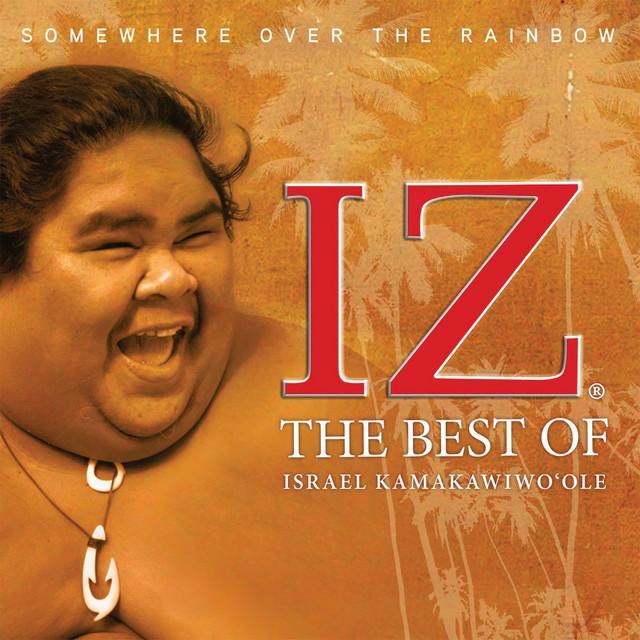
Why Israel's Rainbow Still Feels Like Home
The meaning of Over the Rainbow Israel version starts with something simple: they turn a famous standard into a quiet prayer. In Israel Kamakawiwo'ole's hands, the song is not just about fantasy. It becomes a gentle wish for peace, safety, and a life beyond worry.
"Over the Rainbow" - Israel
Ooh-ooh-ooh-ooh-ooh
Ooh-ooh-ooh
Loading lyrics...
Unable to load lyrics
We're unable to display the lyrics at this time. Please try again later.
His recording is widely known as a medley of Somewhere Over the Rainbow
and What a Wonderful World
, released on Facing Future in 1993 and later celebrated around the world. Those facts are well documented in biographies and label notes, and they help explain why this performance became so beloved. Even without big production, it carries huge emotional weight.
A Dream of Escape, Told Softly
At its core, the song imagines a better place. The singer looks beyond the present and reaches for a world where pain loses its grip. When the lyric points to way up high
, it frames hope as something distant but still visible.
That distance matters. The song does not pretend life is easy. Instead, it says people often survive by imagining relief before they can touch it. In that sense, the rainbow is less a destination than a symbol of emotional rescue.
Interpretation: In Israel's version, that hope feels especially personal. Their calm delivery makes the dream sound fragile, as if they are protecting it while singing it.

Watch the official Over the Rainbow
music video
The Heart of the Lyrics
The most important idea is the contrast between burden and release. The song describes everyday trouble, then pictures it fading away. A short phrase like trouble melts
turns hardship into something temporary.
That image is powerful because it is so childlike. Trouble is not fought in a dramatic battle. It simply dissolves. This gives the song a healing quality, as if peace could arrive naturally if one could only reach the right state of mind.
Another key moment is wish upon a star
. That phrase connects the song to childhood faith, bedtime stories, and innocent belief. The lyric suggests that even adults keep a small part of that wish-making spirit.
Why the Question Hurts So Much
Near the song's emotional center, the singer asks why they cannot have the life they imagine. The line built around why can't I?
changes the song from fantasy into heartbreak.
Until then, the lyrics feel dreamy and open. That brief question grounds everything in real human frustration. The dream is beautiful precisely because reality falls short.
Interpretation: This is why the song still moves listeners. It is not only about beauty. It is about the ache of seeing beauty just out of reach.
Israel's Voice Changes the Meaning
Israel Kamakawiwo'ole's performance is central to the song's impact. Their voice is warm, airy, and unforced. Rather than aiming for Broadway-style drama, they sing with the ease of someone sharing a private truth.
That choice changes the meaning of Over the Rainbow Israel listeners often hear. The original song has a long history, but this version feels intimate and grounded. The ukulele gives it a homespun tenderness, while the spacious pacing leaves room for emotion to breathe.
There is very little standing between the listener and the singer. No dense arrangement distracts from the feeling. That simplicity makes the longing feel honest.
How the Sound Carries the Message
The production is famously minimal. Soft ukulele chords support the vocal rather than compete with it. The slow tempo lets each image settle, from bluebirds fly
to the idea of waking beyond the clouds.
This matters because the arrangement mirrors the song's message. A huge orchestra might have made the dream feel distant or cinematic. Israel's stripped-down sound makes hope feel close, almost touchable.
A Small Performance With Big Space
There is also a sense of stillness in the recording. The pauses, breaths, and light vocal phrasing create emotional room. Listeners are not pushed toward feeling. They are invited into it.
That is one reason the recording has been used so often in films, memorials, and reflective moments. It leaves space for personal meaning.
Symbols That Keep the Song Alive
Several images do most of the emotional work:
- The rainbow suggests promise after pain.
- The sky points to freedom and perspective.
- Stars represent faith in what cannot yet be seen.
- Birds suggest natural ease and movement.
- Clouds and chimneys place everyday life below the dream world.
Together, these symbols build a simple but lasting message: life may feel heavy, but the mind can still reach for light.
One Song, Several Readings
There is more than one valid way to hear this performance.
Interpretation 1: It is a song about escape. The singer wants a place far from stress, fear, and disappointment.
Interpretation 2: It is a song about inner peace. The rainbow is not somewhere else; it is a calmer emotional state.
Interpretation 3: In Israel's hands, it can also be heard as a song of comfort for others. Their gentle tone makes the lyric feel shared, as if they are carrying listeners toward hope with them.
Why It Still Resonates Today
The reason this version lasts is not mystery. It speaks plainly, sings softly, and offers relief without sounding fake. The dream in the song is universal: a life where pain loosens and possibility returns.
So the meaning of Over the Rainbow Israel version is ultimately about more than wishing. It is about preserving tenderness in a hard world. They sing the dream not as a grand illusion, but as something people need in order to keep going.
Disclaimer: This interpretation blends lyrical analysis with informed critical reading. Meanings can vary from listener to listener.









