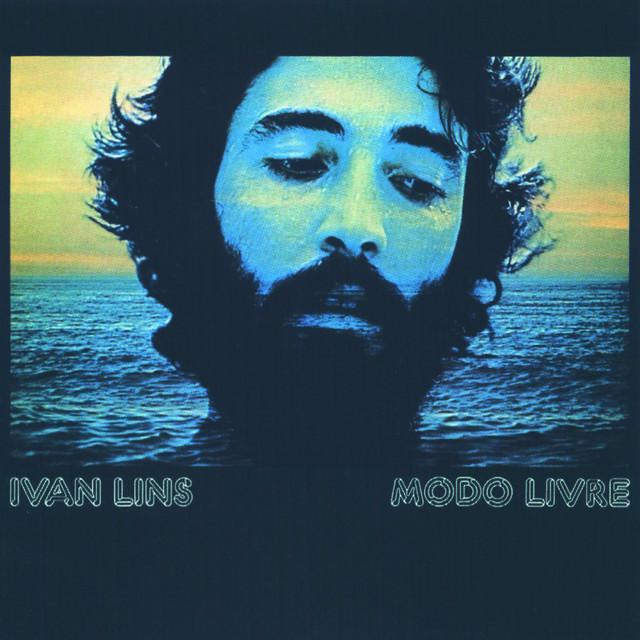
Abre Alas by Ivan Lins
The meaning of Abre Alas Ivan Lins starts with a surprise. On the surface, the song sounds like it is opening space for a parade, a banner, and a burst of joy. But as the verses move forward, that festive language becomes more uneasy. The result is a song that feels both public and private at once: a call to celebrate, and a warning about what happens when celebration must be hidden.
"Abre Alas" - Ivan Lins
Já está chegando a hora
Abre alas pra minha bandeira
Loading lyrics...
Unable to load lyrics
We're unable to display the lyrics at this time. Please try again later.
Ivan Lins is one of the major names in Brazilian popular music, often linked to sophisticated songwriting and emotionally layered MPB performance. In this recording, they deliver a song whose simple phrases carry a lot of pressure beneath them. Even without long storytelling, the lyric builds a clear emotional arc.
A Parade Song That Turns Into a Warning
At first, the chorus sounds open and communal. The repeated call abre alas
literally asks people to make way. Paired with minha folia
and minha bandeira
, it suggests carnival, movement, and public identity. In plain terms, the speaker seems to be announcing that their moment is arriving.
But the line já está chegando a hora
changes tone depending on where it lands. Early on, it can sound exciting, as if a procession is about to begin. Later, it feels more like a deadline. Something is approaching, and not everyone seems safe or ready for it.
Interpretation: This is why the song feels richer than a simple party anthem. It uses the language of festivity to hint at pressure, control, and the loss of spontaneity.
Watch the official Abre Alas
music video
The Heart of the Lyric: Joy Under Pressure
The middle verses contain the song’s emotional turn. One striking idea says dreams should be put away because life has an owner and will come to collect. Paraphrased, the message is harsh: reality now demands obedience. That is a long distance from the freedom implied by the opening chorus.
Another verse warns against becoming happy just to avoid later pain. The point is not that joy is bad. It is that people have become so cautious that even happiness feels risky. When the lyric repeats that life or people não era assim
, it adds a note of grief. Things were different once.
That repeated backward glance matters. The song is not only about fear in the present. It is also about memory—about knowing a freer version of life and feeling the loss of it.
Secrets, Silence, and Closed Doors
The song grows even more intimate when it asks for the door to be leaned shut so that the conversation will not leak out. That image changes the whole setting. The big public mood of parade and banner suddenly becomes a private room where people lower their voices.
This is one of the strongest clues in the meaning of Abre Alas Ivan Lins. The lyric suggests that open speech has become dangerous, or at least unwise. The world outside no longer welcomes honesty.
Encosta essa porta
que a nossa conversa
não pode vazar
That short moment is the song’s clearest image of repression. After that, the symbols become sharper: the flag is lowered, and the revelry is put away. In other words, public expression is no longer on display. Celebration has been stored, almost like a forbidden object.
What the Symbols Are Doing
The lyric stays memorable because its main images are simple:
- Folly or revelry suggests joy, art, and collective life.
- The flag suggests identity, allegiance, or public statement.
- The closed door suggests secrecy and self-protection.
- The arriving hour suggests a turning point.
Interpretation: Taken together, these symbols can support a political reading. The song may be heard as a portrait of a society where people feel watched, restrained, or pushed into silence. Still, it also works on a personal level. A person leaving innocence behind might say the same things about dreams, caution, and hidden conversation.
That ambiguity is part of the song’s power. It never locks itself into only one meaning.
How the Sound Supports the Message
As an MPB song, “Abre Alas” carries meaning not just through words but through shape and delivery. MPB often blends melodic warmth with lyrical complexity, and that tension helps here. The chorus has the lift of something communal, while the verses feel more inward and reflective.
Even when the arrangement sounds controlled rather than explosive, that restraint works in the song’s favor. A less aggressive performance makes the unease feel more believable. Instead of shouting protest, the song shows what caution sounds like from the inside.
That matters because the lyric is not built around a dramatic plot. Its force comes from repetition, contrast, and emotional shading. The music helps the listener feel those shifts.
A Clear Reading of the Song’s Message
The most useful reading is this: the song describes a world where joy, openness, and shared identity are still desired, but they now exist under pressure. The parade imagery says people still want to step forward. The darker verses say they are no longer free to do so without consequence.
So the meaning of Abre Alas Ivan Lins is not just “make way for celebration.” It is closer to “make way for the human need to celebrate, even when the times have turned suspicious and tight.” That is why the refrain sounds hopeful and haunted at the same time.
Why the Song Still Resonates
Listeners do not need deep historical knowledge to feel what the song is doing. Most people understand the tension between public confidence and private fear. They know what it means when a room gets quiet, when a flag comes down, or when people say things used to be different.
That emotional clarity is what keeps “Abre Alas” strong. It speaks in everyday images, but those images point to something larger: the struggle to protect joy, speech, and identity when the world around them grows harder.
Disclaimer: This article offers interpretation based on the lyrics, performance, and MPB context. Song meanings can remain open, and different listeners may hear different emphases in the same lines.







