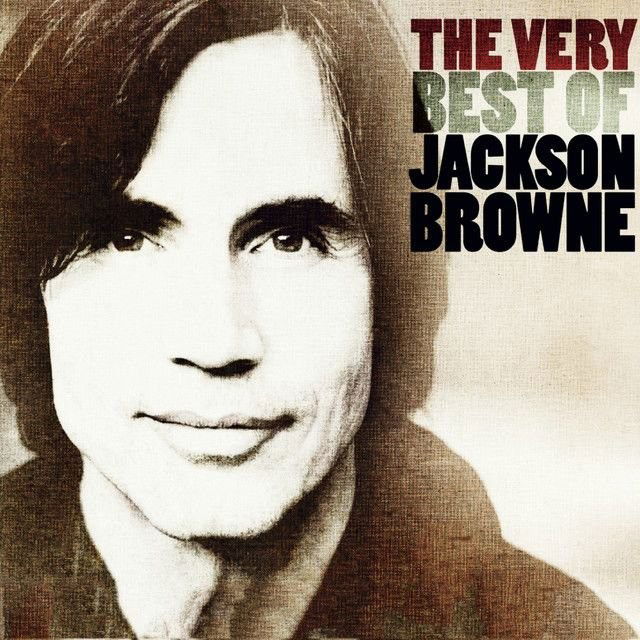
Your Bright Baby Blues by Jackson Browne
The meaning of Your Bright Baby Blues Jackson Browne often comes down to one hard truth: a person can keep moving and still feel stuck. This song turns travel, romance, and self-doubt into one quiet confession. It is about someone who wants relief from their own mind and starts to believe love might help lead them there.
"Your Bright Baby Blues" - Jackson Browne
Down by that highway side
Everybody's going somewhere
Loading lyrics...
Unable to load lyrics
We're unable to display the lyrics at this time. Please try again later.
Jackson Browne wrote the song, and it appeared on The Pretender in 1976, an album widely described as one of his key mid-1970s works. Browne’s official site and major album references place it in that period of reflective, California-rooted rock songwriting. Those facts matter because this song sounds exactly like that era of Browne: open-road imagery, emotional candor, and a voice that never hides how tired it feels.
The Highway Is Motion Without Escape
The opening image places the narrator beside the road, watching life rush by. People are hurrying forward, trying to prove their lives matter. The song’s idea is not just that modern life is busy. It suggests that busyness can become a way of avoiding deeper questions.
That is why the line about being down by the highway
matters. The road usually means freedom in rock music, but Browne flips that symbol. Here, the road becomes evidence that movement alone does not heal anyone.
A few lines later, the narrator admits they can never get away from me
. That short phrase gives the song its emotional center. They are not trapped by another person or place. They are trapped by the self they carry everywhere.
Watch the official Your Bright Baby Blues
music video
A Love Song, but Not a Simple One
The song then turns toward a lover, and the emotional logic sharpens. The narrator seems to believe this person might offer tenderness, safety, and release. But this is not framed like easy romance. It feels closer to a plea.
When Browne sings about your sweet tenderness
, the song presents love as something healing, almost spiritual. Interpretation: the beloved is not just attractive; they represent a softer way of living, one that could interrupt the narrator’s cycle of speed, loneliness, and self-judgment.
That helps explain the title image, bright baby blues
. On the surface, it points to blue eyes. But the phrase carries a second meaning too. “Bright” suggests beauty, warmth, and life, while “blues” hints at sadness. Interpretation: Browne may be describing someone who is radiant yet emotionally guarded, someone whose outward appeal hides inward uncertainty.
What the Song’s Story Reveals
One useful way to read the song is as a short emotional journey:
- The narrator watches others chase purpose.
- They admit that running has not solved their inner conflict.
- They turn to a loved one for recognition and comfort.
- They confess deeper weariness, even a kind of collapse.
- They ask to be led somewhere freer and more honest.
The middle of the song is especially revealing because it shifts from observation to confession. The narrator sees the other person as detached, almost watching life from a distance. That makes the song more complicated than a one-sided prayer for rescue. Both people seem disconnected in different ways.
The Most Striking Image of Surrender
Late in the song, Browne includes one of its most vulnerable moments:
standing on my knees
The lyric comes after a memory of trying to rise above sorrow and failing. In plain terms, the narrator thought they had escaped pain, only to realize they were still humbled by it. The image of being on their knees suggests dependence, prayer, exhaustion, or all three at once.
That matters because the song has hinted at spiritual language from the start. There is a request for mercy, and later there is a request for help. Love and faith are never fully separated here. Interpretation: Browne seems to blur emotional need and spiritual need, as if the hunger for peace touches both.
How the Sound Supports the Meaning
Musically, the track fits Browne’s 1970s rock style: steady rhythm, warm guitars, and a vocal delivery that sounds conversational rather than theatrical. The arrangement does not rush to a big release. Instead, it keeps the listener inside the narrator’s unsettled state.
That restraint is important. If the song were louder or more triumphant, it might sound like a breakthrough anthem. Instead, it feels like someone thinking out loud during a long, tired drive. The melody carries longing, while the band gives the song a rolling motion that mirrors the highway image.
This blend of motion and weariness is part of what makes the meaning of Your Bright Baby Blues Jackson Browne so memorable. The music keeps moving, but the heart of the song remains unresolved.
The Garden Wall and the Hope of Passage
The closing request is one of the song’s most tender ideas. The narrator asks to be led through a hidden opening, a garden wall
that suggests a private path out of isolation. It is a beautiful image because it does not promise victory or certainty. It only promises passage.
Interpretation: the garden may symbolize intimacy, innocence, or inner peace. The wall suggests the barriers people build around themselves. To be pulled through that opening is to be welcomed into trust.
Why the Song Still Connects
What keeps this song alive is its honesty. It understands that people often confuse motion with progress, romance with healing, and temporary relief with peace. Browne does not mock that confusion. They treat it with sympathy.
In the end, the song is about wanting to be saved from loneliness without pretending that love is simple. It is about seeing another person clearly enough to notice their confusion while also admitting one’s own. That balance gives the song its lasting power.
Disclaimer: This interpretation is based on the song’s lyrics, recorded performance, and publicly known career context. As with most songwriting, listeners may reasonably hear different meanings in it.







