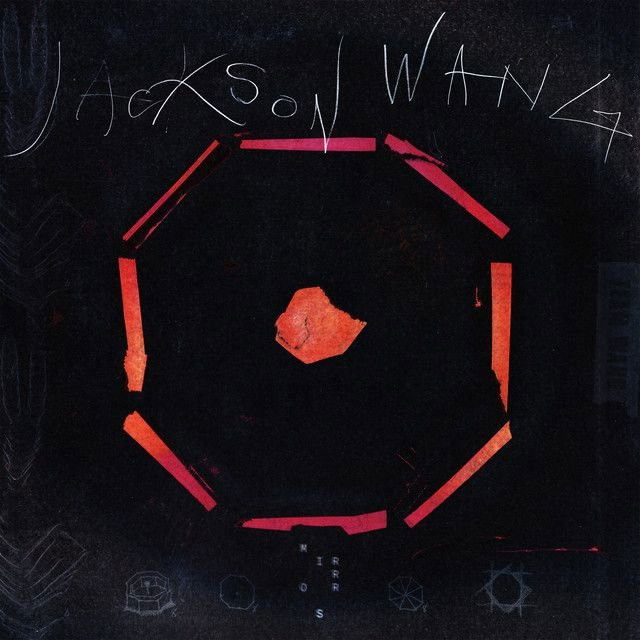
Why 'TITANIC' by Jackson Wang, Rich Brian Hits Hard
Jackson Wang and Rich Brian do not present “TITANIC” as a sad shipwreck story. On the surface, it is a flashy rap track about status, women, money, and momentum. But the meaning of TITANIC Jackson Wang, Rich Brian gets more interesting when they listen to the hook: beneath the swagger, the song also sounds stressed, restless, and a little self-destructive.
"TITANIC" - Jackson Wang ft. Rich Brian
Iced out my wrist Titanic
Like 2-1, I'm on my savage
Loading lyrics...
Unable to load lyrics
We're unable to display the lyrics at this time. Please try again later.
Factually, “TITANIC” appears on Jackson Wang’s 2019 album Mirrors and features Rich Brian. Jackson described it as a track made to “get hype, dancing, and having fun,” while also celebrating an Asian-to-Asian collaboration. That framing matters because it shows the song was built first as an energy record, not a confessional ballad.
More Than a Flex Track
The clearest way to read the song is as a portrait of success moving too fast. Jackson opens with boasts about attraction, jewelry, and rising fame. When they hear Iced out my wrist Titanic
, the image is not just expensive jewelry. It turns wealth into something oversized and impossible to ignore.
That “Titanic” image suggests excess. The original ship has become a cultural shorthand for something huge, glamorous, and doomed. Interpretation: the title hints that the lifestyle they brag about may also carry danger.
Jackson strengthens that idea by placing old struggle next to new fame. He says he once rode the bus, but now people know his face. In simple terms, the verse tracks a jump from ordinary life to celebrity pressure.

Watch the official TITANIC
music video
The Hook Reveals the Pressure
If the verses brag, the chorus explains the cost. The emotional center is the repeated confession that they are in a bad place
. That line changes the whole song. Suddenly, the record is not only about winning. It is about what constant competition feels like inside.
The next lines keep that anxiety moving. They mention a possible crash and describe life as it's a rat race
. In paraphrase, they are saying the chase for money and first place can make a person reckless. The hook turns the song from pure celebration into a portrait of ambition under strain.
Might crash the whip in the valet
If you ain't in first
Those brief lines show the mindset clearly: speed, ego, and fear of losing all at once. Even in a party song, they sound like people who feel they cannot slow down.
Jackson's Verse: Fame, Memory, and Image
Jackson’s first verse is packed with references that build his public image. He nods to 21 Savage, Kendrick Lamar, and Bobby Flay, linking himself to rap toughness, major-star visibility, and skill on the beat. These are clever status markers, but they also show how much identity in the song is performance.
One especially useful contrast is his memory of public transit versus his current fame. That detail grounds the song. It tells listeners they are not hearing empty luxury talk from nowhere; they are hearing someone who remembers a more regular life and now feels the heat of sudden visibility.
There is also a cultural pride angle. Jackson connects his rise to a broader Asian presence in global pop and rap. Given his own comments about representing Asian cultures with Rich Brian, the song can be heard as competitive but also communal: they are proving they belong on the same stage as any Western rap star.
Rich Brian's Verse: Cool Detachment With a Sharp Edge
Rich Brian takes the song into colder territory. His verse leans harder into sexual bravado, emotional shutdown, and spending for pleasure. Rather than sounding joyful, he often sounds numb. When he says he can Turn my feelings off
, the idea is bigger than romance. It suggests survival by detachment.
Interpretation: that emotional switch matches the hook’s stress. If the world is a race and only winners matter, then shutting down feelings becomes part of the armor. His verse extends the song’s theme: success can bring access and confidence, but it can also flatten empathy.
This is why the collaboration works. Jackson sounds energized but pressured. Rich Brian sounds amused but emotionally distant. Together, they sketch two versions of the same high-speed lifestyle.
How the Sound Supports the Meaning
Production matters a lot here. The beat hits with a hard, modern rap bounce and a polished low end that keeps everything moving. It is sleek enough for clubs, but the repetition in the hook gives it a tense loop, almost like anxious thoughts circling.
Jackson’s delivery is punchy and rhythmic, which suits his lines about momentum and self-mythology. Rich Brian’s tone is flatter and more deadpan, making his verse feel less excited and more insulated. That contrast adds depth without changing the song’s party-ready surface.
The title also fits the production style. “TITANIC” sounds big, metallic, and heavy. Even when the duo is having fun, the track carries the weight of excess.
So What Is the Song Really Saying?
The best answer is that the meaning of TITANIC Jackson Wang, Rich Brian lives in the split between image and emotion. Factually, Jackson said the song was made to hype people up and celebrate a natural collaboration. That is true to the record’s sound and energy.
But Interpretation: listeners can still hear a second layer. The lyrics keep returning to competition, bad decisions, and emotional numbness. The ship in the title becomes a smart metaphor for a giant success story that may be thrilling precisely because it feels unstable.
In that sense, “TITANIC” is about more than flexing. It is about what happens when status becomes speed, and speed becomes identity. They are winning, but they do not sound fully at peace.
Final Take From the Deck
“TITANIC” works because it delivers two moods at once: celebration outside, pressure underneath. That tension makes the song stick. It is catchy enough for a party, but sharp enough to say something about fame, ego, and survival.
This reading is an interpretation based on the lyrics, artist comments, and the song’s sound; other listeners may hear the track more simply as a pure banger, and that reading is valid too.








