Why "Tenement Yard" Still Hits Hard
The meaning of Tenement Yard Jacob Miller comes through fast: this is a song about living under pressure when there is no privacy, no peace, and no room to be fully oneself. Jacob Miller turns a simple complaint into a wider social statement. In his telling, the tenement yard is not just a place to live. It is a place where people watch, judge, report, and control.
"Tenement Yard" - Jacob Miller
Hear dem say...ah ah ah!
Dreadlocks can't live in a...tenement
Loading lyrics...
Unable to load lyrics
We're unable to display the lyrics at this time. Please try again later.
That is why the song still lands. Even without a complex plot, it captures the feeling of being crowded by other people’s eyes.
A Yard That Feels Bigger Than a Building
At the center of the song is the repeated line tenement yard
. Paraphrased, Miller is saying that this environment makes normal freedom impossible. The setting is a shared living space, but it also works as a symbol for social life under scrutiny.
Interpretation: the song is not attacking poor people or communal living itself. It is criticizing what happens when crowded conditions mix with fear, gossip, and authority. The problem is not only small space. The problem is what that small space allows: constant observation.
That idea sharpens when Miller repeats phrases like watchie watchie
and su-su
. He uses sound almost like percussion, but the words point to nosiness and rumor. Instead of home feeling safe, it feels like a public stage.
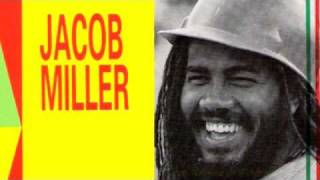
Watch the official Tenement Yard
music video
The Song’s Main Complaint Is Really About Freedom
The hook says Dreadlocks can't live
there, and that matters. He is not just saying life is annoying. He is saying a Rastafarian person cannot truly exist in peace under these conditions.
That complaint expands in the verses. The singer cannot smoke quietly, reason freely, or even meditate without interruption. When the lyric points toward informers and fear, the song starts to sound political as well as personal.
Who Is the "Dreadlocks" Figure?
In reggae, "dreadlocks" can refer literally to a person with locks, but it also carries spiritual and cultural meaning tied to Rastafari. Jacob Miller, a major reggae voice who fronted Inner Circle, often sang with directness and warmth, which helped make serious themes feel immediate and human. Basic biographical facts about Miller and his role in Jamaican reggae are widely documented by sources such as Encyclopaedia Britannica and The Jamaican Music Museum.
Here, the dreadlocks figure stands for someone trying to live by belief and conscience. The song argues that the yard pushes against that freedom at every turn.
Gossip, Informers, and "Babylon"
One reason the song feels tense is that it moves from neighborhood irritation to wider oppression. At first, it sounds like people talking too much. Then it becomes a world of informers, fear, and what Rastafarian language calls Babylon
.
In reggae, Babylon often refers to oppressive social systems, especially colonial power, policing, and unjust authority. So when the song mentions too many laws and too much Babylon, it widens the target. The singer is not only upset with neighbors. They are describing a whole structure that keeps watch over poor and marginalized people.
The Rent Man Matters Too
The lyric about the rent man brings money into the picture. That detail suggests that the yard is also shaped by housing pressure and exploitation. Interpretation: this makes the song partly about class. The singer seems to say that spiritual life gets squeezed by economic power just as much as by gossip.
That blend of personal, spiritual, and political complaint is one reason the track feels so complete despite its simple language.
How the Repetition Builds the Meaning
The song’s writing is spare, but that is its strength. Miller and co-writer Roger Lewis build the message through repetition rather than narrative twists. Each return to the central complaint makes the pressure feel heavier.
Too much watchie watchie
too much su-su
Those short phrases do more than describe noise. They mimic it. The listener hears the crowding effect in the rhythm of the words.
This is where the meaning of Tenement Yard Jacob Miller becomes especially clear. The song does not merely explain harassment. It makes the listener feel how nonstop it is.
Why the Music Sounds So Uncomfortable on Purpose
Musically, "Tenement Yard" uses classic reggae tools: a steady groove, strong bass presence, clipped guitar, and a vocal that balances melody with complaint. That contrast is key. The track is catchy, but the message is uneasy.
The groove keeps moving forward while the lyric circles the same trap. That creates tension. The body wants to sway, but the words keep returning to surveillance and restriction.
Miller’s voice also matters. He sounds conversational, but there is bite in the delivery. He does not over-sing the message. That restraint makes the frustration feel lived-in rather than theatrical.
A Song About Jamaica, but Not Only Jamaica
The song comes from a Jamaican social reality, especially the communal yards and tensions around poverty, religion, and authority in the reggae era. But its meaning travels easily.
Anyone who has felt watched, judged, or unable to be private can recognize the emotion here. In that sense, the tenement yard becomes a universal symbol. It can stand for a neighborhood, a state, a workplace, or even a culture that punishes difference.
Final Take
So what is "Tenement Yard" really saying? At its core, it argues that dignity needs privacy, and freedom needs space. When gossip, fear, rent, and authority close in, even basic peace becomes hard to keep.
That is the lasting power of the song. It sounds simple, but it points to a deep truth about how people live under pressure.
Disclaimer: This article offers informed interpretation based on the lyrics, reggae context, and known artist background. Song meaning can remain open to different readings.








