Why 'Got Your Name On It' Feels So Sincere
The meaning of Got Your Name On It Jade Eagleson comes down to one simple idea: love as an open invitation. Rather than using mystery or heartbreak, the song builds its emotion through certainty. They present a narrator who is not confused about what they want. They are ready to give someone a place in their life, and they say so in plain language.
"Got Your Name On It" - Jade Eagleson
Where you can park your car
I know a place off the highway
Loading lyrics...
Unable to load lyrics
We're unable to display the lyrics at this time. Please try again later.
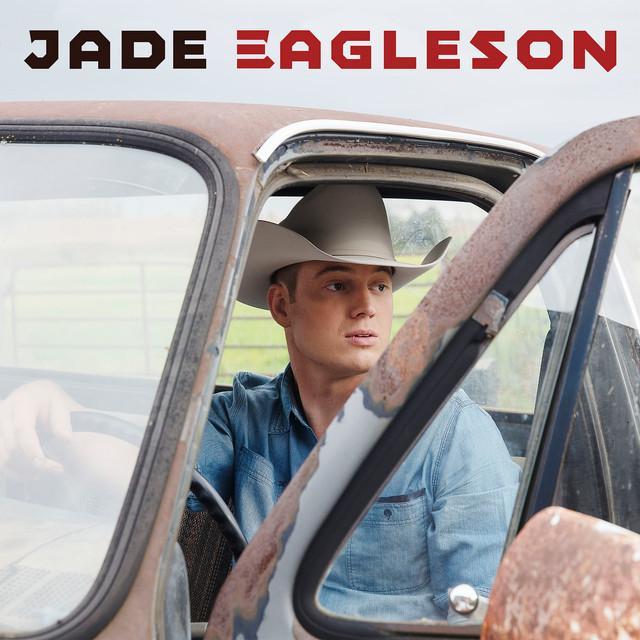
That directness is a big reason the song connected. Released as Eagleson’s debut single in 2018, it introduced the Canadian artist as a singer rooted in traditional country images but shaped for modern radio. It was the lead single from his self-titled EP and album, and it was co-written by Jade Eagleson, Gavin Slate, Todd Clark, and Travis Wood; produced by Clark and Slate. The song later reached No. 6 on the Billboard Canada Country chart and was certified Platinum by Music Canada, according to publicly available chart and certification information summarized by Wikipedia.
A Love Song Built on Everyday Offers
At its core, the song is about offering a whole life, not just a moment. The narrator does not speak in abstract poetry. Instead, they point to ordinary things: a driveway, a truck seat, a bottle of wine, a porch, a bed. Each image says the same thing in a different way: there is already room for this person.
When they mention a spot in my driveway
or sky full of stars
, the point is not the object itself. It is the welcome attached to it. These details create a picture of steady, grounded romance. They suggest someone who is imagining partnership as part of daily life.
Interpretation: This is why the song feels warmer than flashy. It treats commitment as practical. Love is shown through access, space, and consistency.
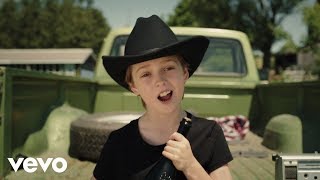
Watch the official Got Your Name On It
music video
The Chorus Turns Desire Into Commitment
The hook is what gives the song its emotional center. When the singer repeats got your name on it
, they frame everything in the verses as already promised. That phrase usually describes an item being reserved for someone. Here, it expands until it covers time, money, home, and future.
The song makes that clear with phrases like every dollar in my pocket
and my heart, my hand
. Those lines move the idea from dating into devotion. They suggest that the narrator is not only inviting this person along for the ride. They are ready to share responsibility, intimacy, and a long-term bond.
This is also where the song’s title works so well. The phrase is casual and familiar, but the feeling behind it is serious. The chorus sounds easygoing, yet what they are really offering is total commitment.
Country Symbols That Mean More Than They Seem
A big part of the meaning of Got Your Name On It Jade Eagleson comes from its country imagery. The truck, front porch, highway, and stars all carry cultural weight. In country music, these are not just settings. They often stand for freedom, home, and a simple kind of truth.
Here, the shotgun side
of the F-150 is especially important. It is more than a passenger seat. It symbolizes partnership—someone riding beside them through ordinary life. The front porch does similar work. It suggests rest, home, and a future where love is visible and public, not hidden.
Even the line about the words they have not said yet matters. The song hints at “I love you” without rushing to it. That restraint gives the emotion more credibility. Instead of using the biggest phrase right away, the narrator proves their feeling through repeated acts of welcome.
How the Sound Supports the Message
The production helps the song land as charming rather than overly heavy. It has a polished country-radio feel, but its structure stays close to classic romantic country. A steady tempo, clean acoustic and electric textures, and a singable chorus make the promise sound relaxed and believable.
That balance matches how critics heard it. Front Porch Music described the track as a “light-hearted profession of love” that had mainstream appeal while keeping Eagleson’s traditional roots, as noted in the song’s reception summary on Wikipedia. That is a useful description because it explains the song’s reach: it sounds current, but its emotional values are old-school.
Eagleson’s vocal delivery matters too. They do not oversell the lyrics. The performance stays conversational, which fits a song about sincerity. If the vocal had been bigger or more dramatic, the message might have felt less personal.
The Video Adds a Family-and-Future Layer
The music video deepens the song’s message by tying romance to memory and growth. According to Wikipedia, it was directed by Ben Knechtel and filmed at Eagleson’s grandparents’ farm in Bailieboro, Ontario. The story shows a young boy singing to a girl, then later echoes that connection with adult romance.
That setting matters. A family farm naturally reinforces themes of roots, tradition, and lasting love. The fact that Eagleson’s parents appear in the video also adds a generational feeling. It makes the song’s promises feel connected to family life, not just private attraction.
Why the Song Lasted
The song lasted because it says something many country love songs aim for but do not always achieve: that commitment can sound both romantic and normal. It is not about drama. It is about being ready.
Interpretation: One possible reading is that the song sells an idealized country future—truck, porch, stars, forever. Another is that it uses those familiar symbols to make a very personal promise feel easy to understand. Both readings can be true at once.
In the end, the meaning of Got Your Name On It Jade Eagleson is less about possession than invitation. The singer is saying that love means making space, offering constancy, and being clear about what they want.
My sun up, sun down
My forever, my right now
Those lines sum up the whole song: the beloved is being offered both the present and the future.
Disclaimer: This interpretation is based on the released lyrics, recording, and publicly available background information. As with any song, listeners may hear meanings that differ from this reading.








