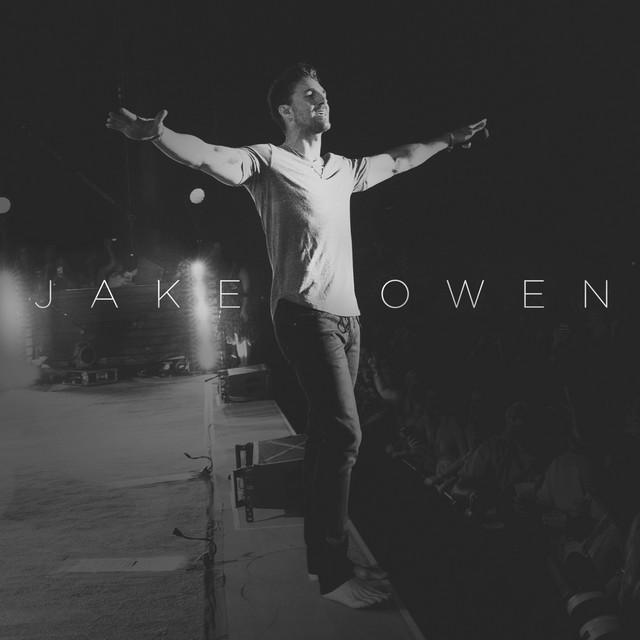
Why Jake Owen Turned Jack and Diane Personal
For anyone searching for the meaning of I Was Jack (You Were Diane) Jake Owen, the short answer is simple: it is a song about how old music can reopen young love. Jake Owen uses John Mellencamp’s classic teenage couple as a frame, then turns that borrowed image into his own memory of summer romance, small-town freedom, and the sting of growing up.
"I Was Jack (You Were Diane)" - Jake Owen
We were singin' every word on the radio
Kinda like them songs could save our souls
Loading lyrics...
Unable to load lyrics
We're unable to display the lyrics at this time. Please try again later.
A Love Story Told Through Another Song
Released on March 12, 2018 as the lead single from Greetings from... Jake, the song marked Owen’s first release on Big Loud and was produced by Joey Moi. It was written by Tommy Cecil, David Ray, Jody Stevens, Craig Wiseman, and John Mellencamp, who received credit because the song incorporates the famous musical idea from Jack & Diane
. Those release and credit details are widely documented by sources including Wikipedia and industry chart records.
The key to the song’s meaning is that Owen is not just referencing a classic hit for fun. He is showing how a song on the radio can become part of someone’s real life. In this story, two young people hear a rock anthem and start to see themselves inside it. The line two American kids
makes that clear without needing much more explanation.
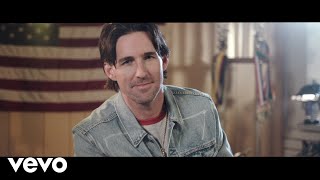
Watch the official I Was Jack (You Were Diane)
music video
Memory Is the Real Main Character
The verses move like snapshots. The narrator remembers singing along in the car, feeling as if music could save them, and believing youth would last forever. Details like six-packs in a Chevy Cheyenne
root the song in a familiar American setting. Those images matter because they are ordinary, not glamorous.
That is why the song feels personal. It is not about celebrity romance or dramatic heartbreak. It is about a common experience: hearing an old track and suddenly being pulled back into a younger version of yourself.
What the Hook Is Really Asking
The chorus is built around questions. Does the other person still turn it up? Do they still laugh? Do the memories still hit? By asking instead of declaring, the song becomes more vulnerable.
Interpretation: The narrator does not know whether the relationship meant the same thing to both people. They only know the song still carries emotional weight. The repeated image I was Jack
and you were Diane
suggests they once felt like the stars of their own coming-of-age movie.
Why the Mellencamp Connection Matters
This song only works because it openly leans on John Mellencamp’s 1982 hit rather than hiding the connection. According to reported background on the song, Owen personally asked Mellencamp for permission to use parts of it and moved forward after getting approval. That matters artistically because the track is less a remake than a continuation.
Rolling Stone neatly summed that up, calling it “Owen’s updated version” in which “a regular Joe reminisces about falling in love to the tune years before.” That brief description gets to the heart of the song: a famous cultural memory becomes one man’s private memory.
Owen also explained that he connected with the song because he could see his own life in it. That helps explain why the tribute feels sincere instead of calculated. The meaning depends on recognition. Listeners are meant to hear the older reference and then feel how it has aged into something bittersweet.
How the Sound Carries the Emotion
Joey Moi’s production gives the song a clean, radio-ready country shine, but it keeps enough rock muscle to honor the source. The beat moves with easy confidence, and the guitars help create that open-road feeling that fits the lyrics.
The track does something smart emotionally. It sounds upbeat at first, almost like a summer singalong. But underneath that energy is loss. When the melody lifts, the narrator is not escaping the past; they are revisiting it.
Do you turn it up?
Do you sing along?
Those short questions carry the emotional center of the song. They are not really about radio habits. They are about whether shared memories survive after love changes.
Small-Town Images, Big Themes
Several motifs shape the song’s meaning:
- Cars and roads suggest freedom and youth.
- Radio music acts like a time machine.
- Summer stands for a season that feels endless until it isn’t.
- American heartland imagery connects private memory to a larger cultural story.
Interpretation: The song is partly about identity. By comparing themselves to Jack and Diane, the couple borrows a ready-made myth of young America. Later, the narrator realizes that myth could not stop time.
That is why the line about never growing up or old hits so hard in context. The song knows that youth does end. Its sadness comes from remembering a time when that truth seemed impossible.
Reception Shows How Strong the Nostalgia Was
The single became one of Owen’s biggest hits, reaching No. 1 on Billboard’s Country Airplay chart, No. 1 on Canada Country, and No. 43 on the Billboard Hot 100. It was also certified Platinum in both the United States and Canada. Commercial success does not prove meaning, but it does show how strongly this mix of nostalgia and familiarity connected with listeners.
That response makes sense. The song is not only about one lost romance. It is about how people store parts of their lives inside songs, then unexpectedly find them again years later.
The Lasting Meaning of the Song
In the end, the meaning of I Was Jack (You Were Diane) Jake Owen is about music as emotional memory. It tells a story of teenage love, but even more than that, it explores how a familiar song can keep the past alive long after the relationship is gone.
Its smartest move is also its simplest: it turns a classic about youth into a song about remembering youth. That shift gives Jake Owen’s version its ache, its warmth, and its staying power.
Interpretation disclaimer: Song meaning can be subjective. This reading separates documented facts about the song’s background from interpretive ideas about its emotional themes.








