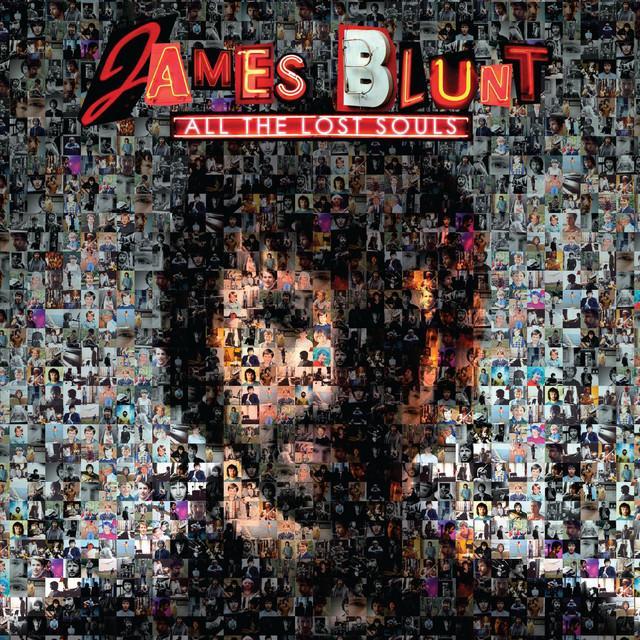
1973 by James Blunt
The meaning of 1973 James Blunt comes down to one powerful idea: some memories never grow old, even when people do. James Blunt turns a dance-floor memory into a story about youth, regret, and the strange way the past can feel more vivid than the present.
"1973" - James Blunt
You're getting older
Your journey's been etched
Loading lyrics...
Unable to load lyrics
We're unable to display the lyrics at this time. Please try again later.
Released as a single from All the Lost Souls in 2007, the song was written by James Blunt and Mark Batson, and it became one of Blunt’s biggest hits in the U.S. and abroad. Those release and credit details are widely documented by sources such as Atlantic Records and AllMusic. The song’s polished pop sound matters because it makes the memory feel glowing and alive, even as the words admit that the relationship is gone.
A Memory That Refuses to Fade
At its heart, the song is about looking back at a younger self and a person tied to that time. The opening lines describe Simona as someone marked by life, with experience written on her body and face. When the singer notices that she is older and changed, the song immediately frames memory against time.
That is why lines like getting older
and been and gone
hit so hard. They are simple phrases, but they point to the song’s biggest theme: what once felt permanent was actually fragile.
Interpretation: Simona is more than just one person. She seems to represent a whole era—late nights, freedom, and the feeling that nothing would end. The song addresses her directly, but it is also speaking to the past itself.

Watch the official 1973
music video
Why the Chorus Feels So Big
The chorus explains why this song connects with so many listeners. The narrator remembers calling every weekend, staying out all night, and singing together. Those details create a ritual, not just a romance.
The key emotional turn comes with though time goes by
and in a club with you
. The singer knows real life has moved on, but emotionally they are still there. That memory has become a permanent room they can revisit.
And though time goes by
I will always be
In a club with you
In 1973
This is the emotional center of the song. It is not really saying life stopped in 1973. It is saying memory did.
Simona, Sobriety, and Blurred Vision
In the second verse, the song adds regret. The line about wishing to be sober suggests that the narrator did not fully understand the relationship while it was happening. They were present physically, but not emotionally clear enough to see what mattered.
The brief phrase Wish I was sober
gives the song an extra layer. It is not only about missing someone. It is about realizing, too late, that they did not appreciate the moment correctly.
That regret connects with another image: the memory keeps replaying like a tune. Instead of healing, the past loops. The relationship may be over, but the inner soundtrack stays the same.
What “1973” Really Means
One of the most interesting things about the song is the title. Blunt was born in 1974, and the song itself was reportedly inspired by memories of his younger club days, especially his time in Ibiza, a detail discussed in coverage by Songfacts and other music-reference outlets. So the title is not meant as strict autobiography.
Interpretation: In the song, “1973” works as a symbolic year. It stands for an idealized past—almost like saying “back when life felt electric.” The number sounds specific, but emotionally it is broader than a date on a calendar.
That choice helps explain the song’s appeal. Listeners do not need to share Blunt’s exact memories. They only need their own version of a lost golden moment.
How the Sound Supports the Story
Musically, “1973” is smooth, bright, and radio-friendly. The groove leans into pop with a lightly retro feel, giving the track an easy movement that mirrors dancing and late-night momentum. Mark Batson, who co-wrote the song, is known for strong melodic and polished studio work, as noted by AllMusic.
That production choice matters. If the song had been slow and stripped down, it would feel like pure heartbreak. Instead, the beat keeps the memory alive. The listener can feel both sides at once: the joy of the remembered night and the sadness of knowing it cannot return.
Blunt’s vocal also helps. He sings with a soft ache rather than dramatic pain. That restraint makes the nostalgia feel believable. He sounds less like someone in crisis and more like someone revisiting a wound that has settled into memory.
A Song About Youth More Than Romance
It is easy to hear “1973” as a breakup song, and that reading is valid. But the track feels larger than one lost relationship. It is really about how people attach entire versions of themselves to one person, one place, or one repeated night out.
A quick way to map the song’s arc is this:
- They notice change and aging.
- They remember a shared ritual of weekends and music.
- They admit regret and blurred judgment.
- They return to the chorus, where memory becomes permanent.
That structure shows why the song stays emotionally clear. It moves from observation to memory to self-criticism, then lands on longing.
Why the Song Still Connects
The meaning of 1973 James Blunt still resonates because it captures a universal feeling: sometimes people do not miss the relationship alone. They miss who they were inside it.
That is why the club image matters so much. It is not just a place. It is a symbol of youth, freedom, repetition, and innocence before consequences fully arrived.
In the end, “1973” is a bittersweet song about being unable to leave one perfect memory behind. Interpretation: Simona may be a real person, a composite, or even a symbol of youth itself. Either way, the song suggests that some nights never end inside the mind.
Disclaimer: This interpretation combines lyrical analysis with documented song context. As with any song, some meanings remain open to listener interpretation.








