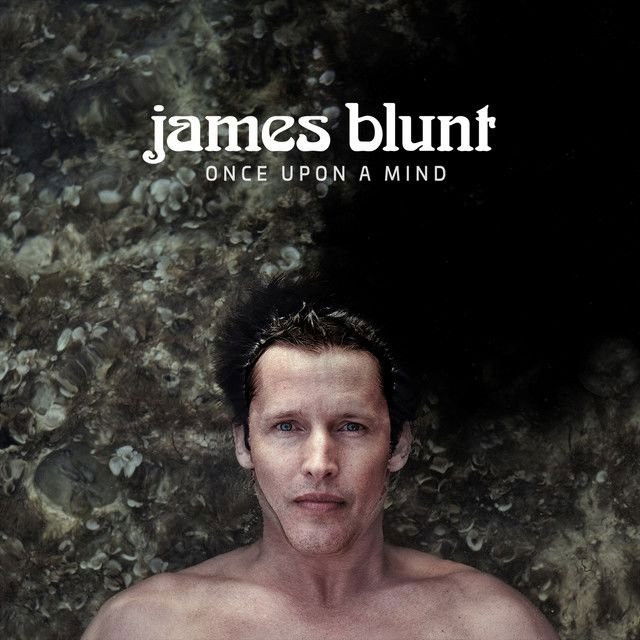
How It Feels to Be Alive by James Blunt
A heartbreak song that sounds like a funeral
The meaning of How It Feels to Be Alive James Blunt centers on a painful contradiction: they are alive, but emotionally they feel half-buried by lost love. The song turns breakup pain into death imagery, not to suggest literal death, but to show how deep the wound feels.
"How It Feels to Be Alive" - James Blunt
And my body's cold
You will walk, dressed in black, to my door
Loading lyrics...
Unable to load lyrics
We're unable to display the lyrics at this time. Please try again later.
From the opening, the narrator imagines a scene of mourning, with a cold body, dark clothes, and bells. That language pushes ordinary heartbreak into something larger and more theatrical. In simple terms, they are saying that seeing this person again hurts so much it feels like attending their own funeral.
This is classic James Blunt territory. His best-known songs often take private grief and make it feel immediate and cinematic. That emotional style is part of why listeners still connect with his writing, as seen in coverage of deeply personal songs like Monsters, which Blunt described as one of his rawest works in an American Songwriter interview.
Watch the official How It Feels to Be Alive
music video
The speaker is trapped between past and present
At the center of the song is a speaker who meets an old lover again and feels the old damage reopen. They try to move forward, but memory keeps dragging them back. That tension appears in the line about seeing someone again for the first time
. The phrase sounds impossible, and that is exactly the point.
The reunion feels both familiar and shocking. They know this person already, yet the pain arrives with fresh force. The song’s emotional logic is: heartbreak can repeat itself so intensely that it feels new.
Another key line says the other person uses love like an open vein
. Paraphrased, the speaker feels drained by a relationship that never fully heals. Love here is not comforting. It is a wound that keeps getting reopened.
The story unfolds like a spiral
What happens in the lyrics
The song moves in a loose sequence:
- The narrator imagines death and mourning.
- They reveal an old lover has returned.
- That return reactivates jealousy, grief, and helplessness.
- The chorus lands on the bitter phrase
that’s how it feels to be alive
.
That hook is the song’s smartest twist. Normally being alive suggests energy, freedom, or gratitude. Here, living means enduring pain day after day. The title phrase becomes sarcastic, exhausted, and brutally honest.
Holding back the tears
waiting to breathe
for the last time
These lines sharpen the song’s core idea. The speaker is not just sad. They feel emotionally suffocated, as if ordinary breathing itself has become hard work.
Why the funeral imagery matters
The grave, church, rain, and tolling bells are the song’s main symbols. None of them need to be read literally. Interpretation: they likely represent emotional burial rather than physical death.
That reading fits the rest of the lyric. The speaker is still present, still watching, still reacting. What has died is trust, hope, or the future they imagined with this person.
One especially strong image is the lover keeping the speaker’s heart as a kind of memento. Paraphrased, they feel robbed, then left to live without the part of themselves that made love possible. That image turns heartbreak into theft.
The line about the other person being his instead of mine
brings jealousy into focus. The pain is not abstract. It comes from seeing someone they still love with somebody else. The song’s sadness grows out of that simple fact.
How the sound carries the lyric
Even on the page, the writing suggests a dramatic pop ballad: slow build, heavy chorus, and a vocal that leans into strain. James Blunt often uses fragile singing to make emotional weakness sound exposed rather than polished, and that style suits this song.
The repeated chorus likely works as emotional pressure, not release. Instead of resolving the pain, repetition traps the speaker inside it. That matters because the song is less about recovery than about reliving the hurt.
The parenthetical outro also changes the mood. Phrases about being outside, cold, and alone make the song feel physically isolated. The emotional wound becomes a real setting: they are left waiting beyond the door, hoping to be let back into warmth.
Artist context helps explain the intensity
Blunt has long built songs around direct feeling rather than dense wordplay. In interviews, he has said music is often how he expresses emotions he might not say plainly in conversation, a point he discussed while talking about Monsters with American Songwriter. That matters here because How It Feels to Be Alive also sounds written from the inside of a feeling, not from a detached storytelling pose.
The credited writers are James Blunt, Cleo Tighe, Stephen Robson, and Wayne Hector. That team suggests a polished pop structure, but the imagery stays personal and severe. The result is a song that feels both crafted and emotionally messy, which is often where Blunt is strongest.
The clearest reading and one alternate view
The clearest reading is that this is a breakup song about seeing an ex again and realizing the pain never ended. The death language shows emotional devastation.
Interpretation: there is also a second reading. The song may be about depression after romantic loss, where daily life itself feels numb and heavy. On that reading, to be alive
is not a celebration. It is survival without relief.
Both readings fit because the song lives in exaggeration on purpose. It uses extreme images to describe ordinary but overwhelming human pain.
Why the chorus lands so hard
What makes the chorus memorable is its inversion. Most songs treat life as the answer. This one treats life as the burden. That contrast gives the track its sting and its appeal.
For listeners, the song can feel dramatic, maybe even melodramatic, but that is part of its honesty. Heartbreak often feels bigger than reason. Blunt writes that feeling without shrinking it.
Disclaimer: This interpretation is based on the released lyrics, songwriting credits, and James Blunt’s broader artistic style. Like any song, listeners may hear different meanings in it.









