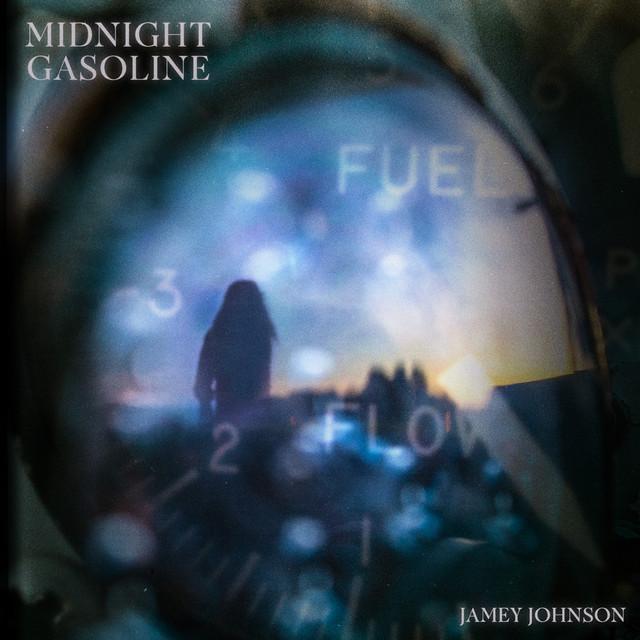
Why 'Midnight Gasoline' Hurts So Much
For listeners searching for the meaning of Midnight Gasoline Jamey Johnson, the song lands as a plainspoken breakup ballad about motion that does not heal as fast as hoped. Its narrator is driving at night, trying to outrun heartbreak, but every mile keeps the loss alive.
"Midnight Gasoline" - Jamey Johnson
No breaking down, no breaking up on my shoulder
Goodbye, never even crossed your lips
Loading lyrics...
Unable to load lyrics
We're unable to display the lyrics at this time. Please try again later.
On the surface, it is about a person on the road after being left. Underneath, it is about how grief can turn movement into ritual. They are not traveling toward a new life yet. They are simply staying busy enough to survive the night.
A breakup song where silence does the damage
The first verse makes the wound feel colder because the relationship does not end with a dramatic fight. Instead, the other person says almost nothing. That emotional blank space matters.
The song suggests that silence can hurt more than shouting. The narrator is left with no big scene, no final talk, and no comfort. When the lyric points to over
, it reduces the whole relationship to one hard word. That is why the driving starts: not as freedom, but as damage control.
Interpretation: the song is less about anger than about emotional abandonment. They are not raging against betrayal. They are trying to understand how someone could leave with so little explanation.
The chorus turns gas, moonlight, and asphalt into symbols
The chorus gives the song its central image: burning the midnight gasoline
. In plain terms, they are driving all night. Symbolically, they are spending fuel, time, and emotional energy to keep from collapsing under memory.
Three details deepen that idea:
man in the moon
suggests loneliness and private confessionwhite and yellow lines
turn the highway into a narrow mental patha thousand miles of letting go
shows healing as long, repetitive work
This is strong country writing because ordinary details do double duty. A road is a road, but it is also a coping mechanism. Gasoline is literal fuel, yet it also becomes the cost of heartbreak.
Trying to drive you off my mind
I keep it between the man in the moon and me
That brief moment sums up the song's tension. They want distance from the memory, but the drive also traps them alone with it.
The verses show how grief fills every object
The second verse is full of items that should be normal: tears, windshield wipers, a gas gauge. But each one gets pulled into the breakup.
The wipers do not hide pain; they make it more visible. The gauge reading empty
mirrors the narrator's drained state. Even the road itself becomes emotional scenery. This is a classic country move: use simple objects to carry big feeling.
Another sharp contrast appears when the song imagines the ex with the man of your dreams
. While one person moves on into romance, the narrator is stuck in a lonely act of endurance. That comparison gives the chorus extra sting. One person is lighting up a future; the other is just burning fuel in the dark.
How Jamey Johnson's style shapes the meaning
Although “Midnight Gasoline” was written by Dean Dillon, Jeff Hyde, and Scotty Emerick, Johnson's performance is a huge part of why it feels lived-in. He has long favored songs that sound weathered rather than polished, and that approach fits this material well.
The track appears on Johnson's 2024 album Midnight Gasoline, his first solo album of original material in 14 years after The Guitar Song. According to the album's credited personnel, track 2 features Johnson on vocals, Tom Bukovac on guitar, Dave McAfee on drums, and background vocals from Melonie Cannon and Wyatt Beard. The album's first half, including this song, was co-produced by the Kent Hardly Playboys, while the full project was co-produced with Dave Cobb.
Those facts matter because the song's arrangement sounds restrained instead of flashy. The guitars feel open and night-bound, the rhythm stays steady like tires on pavement, and Johnson sings with a tired gravity that makes the pain believable. Reviewers noticed that quality too; Wide Open Country said the title track “swells and throbs like a lone wolf howling in the night.” Brief as that line is, it fits the song's mood.
Why the road does not mean freedom here
In many American songs, driving means escape, rebellion, or adventure. Here, the road means suspension. They are between the past and the future, too hurt to settle down, too awake to stop.
That is what makes the song relatable. Many breakup tracks promise quick revenge or neat closure. “Midnight Gasoline” does not. It understands the stage where a person can function, but only barely. They can keep the car moving. They cannot yet keep the heart from circling back.
A second possible reading
Interpretation: the song can also be heard as a portrait of masculinity under strain. The narrator does not make speeches about vulnerability. Instead, they hide inside action: driving, watching the road, managing tears, checking the gauge. The car becomes a socially acceptable place to fall apart.
Final takeaway on the song's meaning
The meaning of Midnight Gasoline Jamey Johnson is not just heartbreak. It is heartbreak turned into motion, with the highway serving as both shelter and prison. The song shows how people sometimes cope by doing something practical while feeling something enormous.
That is why it stays with listeners. It turns a late-night drive into a picture of grief that feels specific, physical, and very country.
Disclaimer: This interpretation is based on the released lyrics, recording context, and documented album details. As with any song, listeners may hear meanings beyond the ones discussed here.







