Why ‘Move Over’ Hits So Hard
The meaning of Move Over Janis Joplin starts with a simple but painful problem: one person says a relationship is over, yet refuses to really leave. That tension gives the song its fire. Instead of singing about heartbreak in a quiet, defeated way, Joplin turns confusion into a hard-edged demand for honesty.
"Move Over" - Janis Joplin
You say that it's over now
But still you hang around me, come on
Loading lyrics...
Unable to load lyrics
We're unable to display the lyrics at this time. Please try again later.
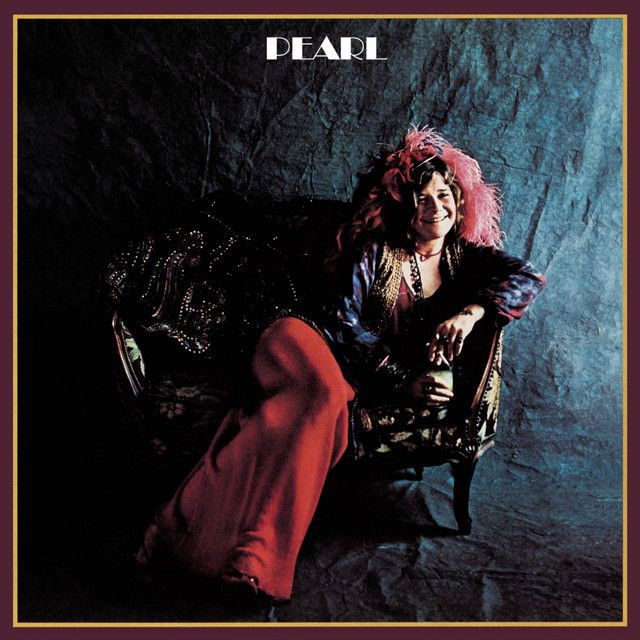
Released on Pearl in 1971, the song stands as part of the final album issued after Joplin’s death, and it shows how sharply she could write for herself as well as perform with force. Factually, Joplin wrote “Move Over,” and Pearl was produced by Paul A. Rothchild. Those details are widely documented in album credits and major music references.[1][2]
The Real Conflict at the Center
At the heart of the song is mixed messaging. The other person claims it’s over
, but they still stay close enough to keep the speaker emotionally trapped. Joplin frames that behavior not as romance, but as selfishness.
The narrator is not asking for grand promises. They are asking for a decision. That is why the title phrase matters so much. When they say move over
, they are really saying: stop blocking the future if you do not plan to stay.
Interpretation: The song is about self-respect as much as lost love. The speaker still cares, but they are beginning to see that affection without commitment becomes cruelty.

Watch the official Move Over
music video
A Voice Caught Between Need and Pride
One of the song’s strengths is that it does not pretend the speaker is calm. They admit I need a man
, which makes the song more vulnerable than a simple brush-off anthem. They want love, companionship, and certainty.
That honesty matters because it keeps the song human. The narrator is not above need. They are not detached. They are saying, in effect, that wanting someone is not the same thing as accepting disrespect.
This balance between longing and pride is central to the meaning of Move Over Janis Joplin. The speaker is wounded, but they are not passive. They are trying to reclaim control before emotional need turns into humiliation.
How the Lyrics Build the Ultimatum
The song moves in a clear emotional sequence:
- The other person says the relationship has ended.
- They continue hovering and sending mixed signals.
- The speaker asks for a real choice.
- Frustration rises into a warning.
That rise is why phrases like make up your mind
land so strongly. The line is direct, almost conversational, but it carries exhaustion underneath. The narrator has already waited too long.
A later image deepens the pain. The speaker feels like they are hanging from a string, which suggests being controlled by someone else’s indecision. Rather than walking forward, they are suspended in place.
Either take this love I offer
Or just let me be
Those two lines contain the whole song’s argument. It is not a plea for pity. It is a boundary.
Why the Sound Feels Like a Showdown
“Move Over” is a rock song with blues roots, and its arrangement helps tell the story. The beat pushes forward instead of drifting, which mirrors the speaker’s demand for action. The guitar and rhythm section create a tough, rolling momentum that leaves little room for softness.
Joplin’s voice does even more. She sounds ragged, urgent, and fully inside the argument. Rather than polishing the emotion, she roughens it. That choice makes the song believable. A smoother vocal might have sounded merely stylish; Joplin makes it sound lived-in.
Factually, Pearl featured the Full Tilt Boogie Band, whose tighter, more grounded backing gave Joplin room to deliver songs with both force and clarity.[2][3] In “Move Over,” that support turns private frustration into something almost public-facing, like a declaration made with witnesses present.
Artist Context Makes the Message Sharper
Joplin had long been associated with emotional extremity, but “Move Over” shows control inside the chaos. She was not only a powerhouse singer; she was also a songwriter capable of shaping conflict into plain, memorable language.
That matters because the song does not hide behind poetry. Its power comes from blunt truth. In the context of Joplin’s career, that directness fits her style: emotionally exposed, musically fierce, and resistant to pretending things were easier than they were.[1][3]
Interpretation: Some listeners hear the song as a feminist statement, and that reading makes sense. The speaker refuses to be kept in reserve, used for comfort, or strung along by someone who will not commit. Even if the song stays rooted in one relationship, its stance is broader: indecision can be a form of power, and the narrator rejects that power.
What “Move Over” Still Says Today
The reason the song endures is simple. Many people know what it feels like when someone will not choose, but also will not let go. “Move Over” gives that feeling a loud, usable language.
The meaning of Move Over Janis Joplin is not just anger at an ex or lover. It is the moment when hurt turns into a line in the sand. The speaker may still love the person, but they finally understand that love cannot survive on hesitation alone.
That clarity is what makes the song feel modern. It is about boundaries, mixed signals, and the cost of waiting around for someone else to decide your worth.
Disclaimer: This interpretation is based on the song’s lyrics, performance, and documented release context. As with any song, listeners may hear different meanings in it.









