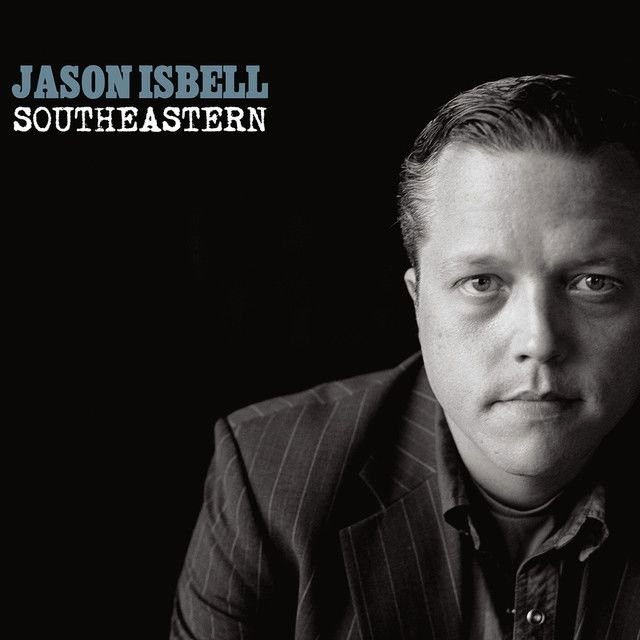
Cover Me Up by Jason Isbell
They press play and meet a narrator who’s done damage and finally wants to heal. That tension—between wreckage and refuge—drives the meaning of Cover Me Up Jason Isbell. As the opener of his 2013 album Southeastern, it acts like a mission statement: love is not escape; it’s the place you choose to stay and be better.
"Cover Me Up" - Jason Isbell
You can't trust anyone
I was so sure what I needed was more
Loading lyrics...
Unable to load lyrics
We're unable to display the lyrics at this time. Please try again later.
A Confession Turned Vow
The first verse sketches a guarded past. With A heart on the run
, the narrator confesses a life lived in flight. He once chased “more,” hurt people, and nearly burned out. The song admits this plainly before pivoting toward a promise.
Interpretation: the narrator realizes that love isn’t a prize he earns after the chaos; it’s the reason to stop the chaos. The tone is humble and direct, almost like a face-to-face apology. That’s why the love language here is practical—less flowers and fireworks, more warmth, time, and proof.

Watch the official Cover Me Up
music video
Who’s Speaking, And To Whom?
It’s a first-person address to a partner who has already seen the worst. Lines like leave your boots by the bed
show intimacy without grand gestures. He isn’t asking for a night out; he’s asking to stay in and make a life.
Sobriety sits at the heart of the plea. When he says I sobered up
, it isn’t bragging—it’s accountability. The narrator isn’t promising perfection; he’s naming the work and choosing the relationship over his old habits.
From Chaos to Shelter: The Song’s Timeline
The narrative unfolds in simple beats that mirror recovery:
- A past of rage and self-sabotage
- The recognition that someone believed in him
- A turning point: commit to sobriety and to the relationship
- A quiet present, together, waiting out the seasons
- A realization that
home was a dream
until now
Interpretation: the timeline moves from motion to stillness. Where the old self measured nights by intensity, the new self measures them by presence.
The Chorus as Promise, Not Escape
The chorus makes the title a living vow. It’s not a plea to hide; it’s a promise to be held to a standard of goodness.
So cover me up and know you’re enough
To use me for good
When he repeats the phrase Cover me up
, he’s asking for protection and offering trust in return. The refrain reframes love as a shelter you build together, brick by brick, choice by choice.
Symbols & Sound That Seal the Pledge
Domestic images do the heavy lifting. The cold house and the refusal to chop wood flip a chore into a metaphor: warmth now comes from closeness, not bravado. Seasonal markers—the magnolias, the Percy Priest dam, and the threat of a river surge—turn time and geography into a test of endurance. If the house can stand the flood, so can they. Driftwood imagery suggests what a life looks like when it’s unmoored; the song chooses to anchor instead.
Production and performance deepen the meaning. Produced by Dave Cobb, the track is spare and intimate, built mostly on acoustic guitar and voice. In 6/8 time at a slow, almost heartbeat tempo, it rises gradually without flashy solos. That restraint is crucial: the arrangement leaves room for breath, tremble, and resolve. Isbell’s delivery sounds unguarded, the very opposite of the song’s early hypervigilance.
Musically, the key and pacing lend a warm gravity that matches the lyric’s hard-won peace. The crescendo aligns with the vow; as commitment grows, the sound swells—never to overpower, only to underline.
Covers, Reception, and Why It Resonates
The original track opened Southeastern in 2013 and has been praised as a signature Isbell love song grounded in redemption. It has earned certification and consistent acclaim. Morgan Wallen’s later cover carried the song into mainstream country; his studio version largely kept the core arrangement and emphasized the universal pull of the melody and pledge. A short film accompanying his take reframed the narrative through a veteran’s trauma, proof that the bones of the story are sturdy enough to hold different lives.
Interpretation: whether heard as a personal confession or a broad promise, the song lands because it ties love to responsibility. The central ask isn’t passion; it’s presence.
Takeaway
The meaning of Cover Me Up Jason Isbell comes down to this: real love makes you stay, own your past, and choose better—again tomorrow. It feels like a door closing on chaos and a window opening to home.
Disclaimer: Song meanings are interpretive; details above combine reported context with analysis of lyrics and sound.







