Bam by JAY-Z, Damian Marley
Why This Track Hits So Hard
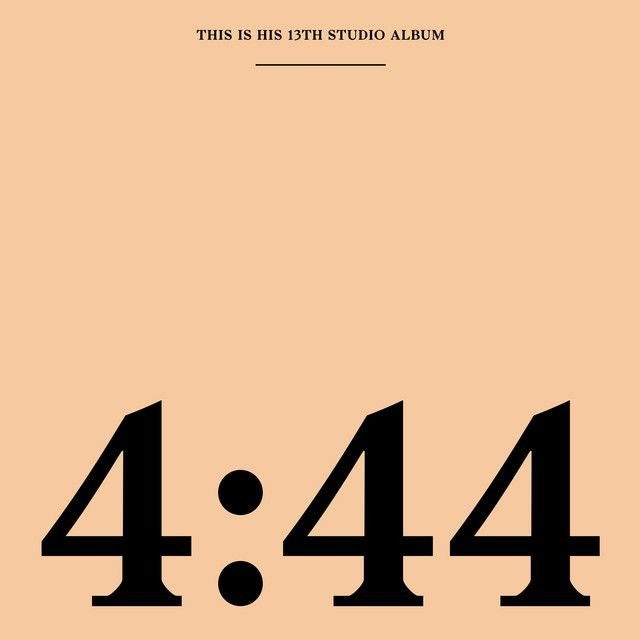
The meaning of Bam JAY-Z, Damian Marley starts with pressure. This is not a reflective apology song or a polished victory lap. It is a warning shot. On JAY-Z’s 2017 album 4:44, “Bam” arrives late in the tracklist and changes the mood with force, bringing in Damian Marley’s dancehall energy to push JAY-Z into a more confrontational space.
"Bam" - JAY-Z ft. Damian Marley
Gangsta no live in a tenement yard
Rude boy no live in a tenement yard
Loading lyrics...
Unable to load lyrics
We're unable to display the lyrics at this time. Please try again later.
At its core, the song is about power that was earned the hard way. They present success not as glamour, but as survival, memory, and status defended against doubters. The verses sound like a veteran looking at imitators and deciding he still has to remind everyone who built the blueprint.

Watch the official Bam
music video
A Clash of Worlds That Fits Together
JAY-Z and Damian Marley come from different corners of Black music history, but “Bam” makes those worlds feel natural together. The production samples reggae roots and dancehall tradition, especially through Marley’s hook and patois-heavy outro. That matters because the song is not only bragging; it is placing rap dominance inside a wider Caribbean and diasporic frame.
The repeated idea that a gangsta no live in a tenement yard
challenges fake images of street life. In plain terms, the hook says real authority is not about posing in poverty for credibility. It pushes back against people who perform struggle rather than live through it.
That choice gives the song a bigger theme: authenticity. They are not just saying they are tough. They are saying many public versions of toughness are costumes.
JAY-Z’s Verses: Threat, Memory, and Reputation
JAY-Z opens by dropping the cleaner image and returning to a colder voice. He contrasts spiritual growth with the ruthless habits he once needed to survive. When he mentions a war chest
, he frames wealth as protection, not just luxury. Money in this song is armor.
He also attacks social media bravado. His complaint about people talking under photos points to a modern problem: online toughness with no real risk behind it. That is why his verse keeps comparing workers, runners, and bosses. He argues that many people claim roles they never truly held.
A key part of the meaning of Bam JAY-Z, Damian Marley is legacy. JAY-Z keeps returning to the idea that he and his circle were active before the music business embraced them. His line about before we had A&R's
contrasts industry success with an earlier life shaped by danger. In other words, the label came after the street code, not before it.
The Story Under the Bragging
Beneath all the flexing, there is a timeline:
- They came from limited options.
- They learned power through risk and hustle.
- They turned that survival skill into business success.
- They now reject copycats who imitate the image without the cost.
That structure makes the song feel less random than it first appears. The boasts are evidence in an argument: they were real before they were rich.
What Damian Marley Adds to the Meaning
Damian Marley does more than supply a catchy refrain. He broadens the song’s message from individual dominance to cultural authority. His voice has a live-wire feel, and the hook’s repeated complaints about watchy, watchy
and chatty, chatty
paint a world full of surveillance, gossip, and informers.
That matters because suspicion runs through the whole track. Everyone is watching, talking, and pretending. Marley’s phrasing turns that mood into something communal rather than personal. It sounds like a street proverb passed around for years.
His final section also shifts the energy from threat to celebration. The most quoted line is simple:
Can't you see it's my ambition
I'll come to nice up the whole nation
Those lines reframe the song. After all the warnings, Marley suggests force can also mean uplift, style, and movement. Interpretation: this is the song’s hidden balance. Destruction and creation sit side by side. They can confront enemies and still bring life to the crowd.
How the Sound Carries the Message
“No I.D.” produced much of 4:44, and the album’s sound often relies on soul-based sampling and stripped-down beats; “Bam” stands out because its reggae pulse gives it a tougher, looser swing. The drums feel heavy but not rushed, and the sample loop creates a hypnotic tension. That repetition mirrors the song’s message: the same street lessons keep coming back, even after fame.
JAY-Z’s delivery is clipped and sharp, while Marley’s is melodic but commanding. Together, they create a call-and-response between rap dominance and dancehall authority. The contrast keeps the song alive. One voice sounds like a boardroom king with a long memory; the other sounds like the street and the sound system refusing to be cleaned up.
The Sharpest Themes in “Bam”
Several themes drive the track:
- Authenticity vs. performance: real history against fake posturing.
- Power as protection: wealth and status are shields.
- Legacy: they want credit for shaping the culture.
- Paranoia: watchers, talkers, and informers are everywhere.
- Diaspora pride: reggae and rap stand together.
A phrase like I fathered your style
is pure ego, but it also supports the song’s broader argument. JAY-Z is claiming influence, not just dominance. He is defending authorship.
Final Take on the Song’s Meaning
The meaning of Bam JAY-Z, Damian Marley is about earned authority in a world full of imitation. They use threats, boasts, and cultural references to say that real power comes from lived experience, not internet theater or borrowed style.
Interpretation: the song is both a flex and a correction. It reminds listeners that behind fame, fashion, and myth, there is a harder story of risk, memory, and survival. That is why “Bam” feels so alive: it does not ask for respect politely.
Disclaimer: This interpretation blends documented context with critical reading of the lyrics and sound. As with any song, listeners may hear different meanings.









