Why “Encore” by JAY-Z Feels Like a Farewell
The big idea behind the spotlight
The meaning of Encore JAY-Z starts with a simple scene: an artist onstage, the crowd roaring, and the feeling that one last performance might not really be the last. On the surface, “Encore” sounds like a victory speech. Underneath, it is also a careful piece of self-mythology.
"Encore" - JAY-Z
Now can I get an encore, do you want more
Cooking raw with the Brooklyn boy
Loading lyrics...
Unable to load lyrics
We're unable to display the lyrics at this time. Please try again later.
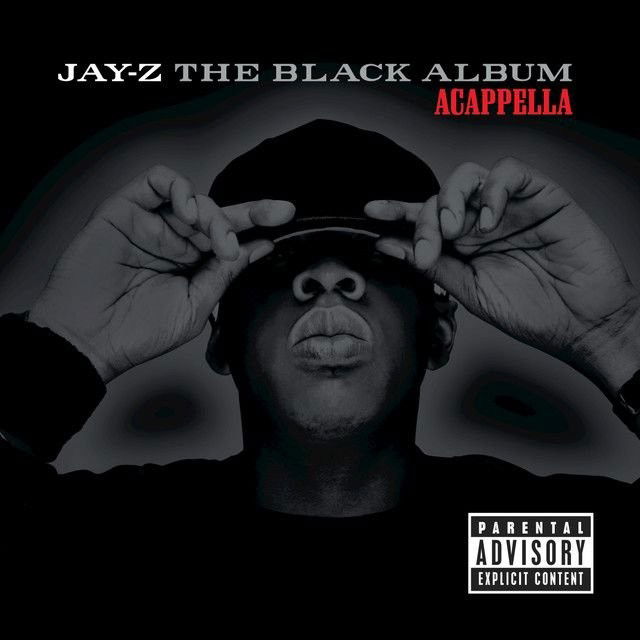
Released on The Black Album in 2003, the track arrived when Jay-Z was publicly presenting that album as his retirement statement. That context matters. The song is not just about enjoying fame. It is about controlling the story of leaving at the top, while hinting that a giant like him can always return.
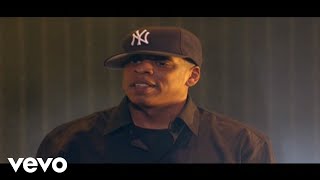
Watch the official Encore
music video
A goodbye that does not fully close the door
Jay-Z builds the song around the tension between exit and return. The hook asks the audience for one more round, using phrases like one last time
and do you want more
. Before and after those lines, the song frames the crowd’s demand as proof that his presence still matters.
That is why the record feels bigger than a normal brag track. It is full of status talk, but the bragging serves a purpose: he is making the case that no retirement would erase his place. When he boasts about skill, influence, and reach, he is arguing that his absence would leave a gap.
Interpretation: the song acts like a farewell address from someone who already knows the audience will call them back.
How the verses build Jay-Z’s legend
In the first verse, Jay-Z presents himself as unmatched. He compares his rap ability to elite standards and places himself above imitators. When he says grand opening, grand closing
, he turns a clever phrase into a statement about eras: he can start a chapter and end it too.
He also links artistry with empire. References to jets, yachts, and global travel are not random luxury details. They show how far he has moved from Brooklyn into worldwide celebrity. The point is not just wealth. The point is scale.
In the second verse, the song becomes more personal. He traces the path from Marcy Projects to Madison Square Garden, a jump from local struggle to iconic success. That movement gives the song emotional weight. It is not only a celebration of fame; it is a reminder of distance traveled.
I came, I saw, I conqueredThe line sums up the song’s attitude: they did the work, reached the top, and now stand in a position to leave on their own terms.
The chorus as a symbol, not just a chant
The chorus is easy to hear as crowd hype, but it carries the song’s main theme. An encore happens after the planned ending. That is the perfect image for a retirement-era single. The artist says the show is over, yet the audience keeps asking for more.
This makes the title clever. “Encore” is not only what fans yell at concerts. It becomes a metaphor for celebrity itself. Once someone reaches Jay-Z’s level, the public keeps pulling them back into view.
That helps explain the famous Jordan reference about coming back in a different number. He is not promising a return outright. He is showing that great figures rarely stay gone for good.
Why the production sounds so joyful
Kanye West’s production is central to the meaning. According to available song credits, West produced the track for The Black Album, and the record uses a sample from John Holt’s cover of the Beatles’ “I Will,” which is why Lennon-McCartney also receive writing credit. The result is warm, bright, and almost celebratory rather than dark or mournful.
That mood matters. A retirement song could have sounded reflective or sad. “Encore” sounds triumphant. The horns and soul touches make the track feel like a parade, not a funeral.
Additional vocals from John Legend, Don Crawley, GLC, and Kanye West help create a communal atmosphere too. It feels like a room full of believers echoing back the star’s legend, which fits a song about public recognition and applause.
Reception and why the song lasted
Critics and fans often heard “Encore” as one of the defining songs on The Black Album. It later reached an even wider audience through Numb/Encore, the 2004 mash-up with Linkin Park, which became a major crossover hit and won Best Rap/Sung Collaboration at the Grammys.
That later success reinforced the original song’s core idea. Even when “Encore” was remixed into another genre, the center still held: Jay-Z as a figure too big to quietly disappear.
The original was also certified Gold in the United States, while “Numb/Encore” became an even larger global success. That long life supports the song’s own argument about durability.
A final reading of the meaning of Encore JAY-Z
So, what is the meaning of Encore JAY-Z? At its core, it is about legacy under bright lights. Jay-Z turns a concert command into a statement about reputation, retirement, and the way greatness invites return.
Interpretation: they are not simply saying goodbye. They are showing how a superstar stages goodbye as one more proof of power.
That is why “Encore” still works. It sounds like a curtain call, but it also sounds like a reminder that some artists never really leave the stage.
Disclaimer: This interpretation is based on the lyrics, production, and public context around the song. As with any art, listeners may hear different meanings in it.








