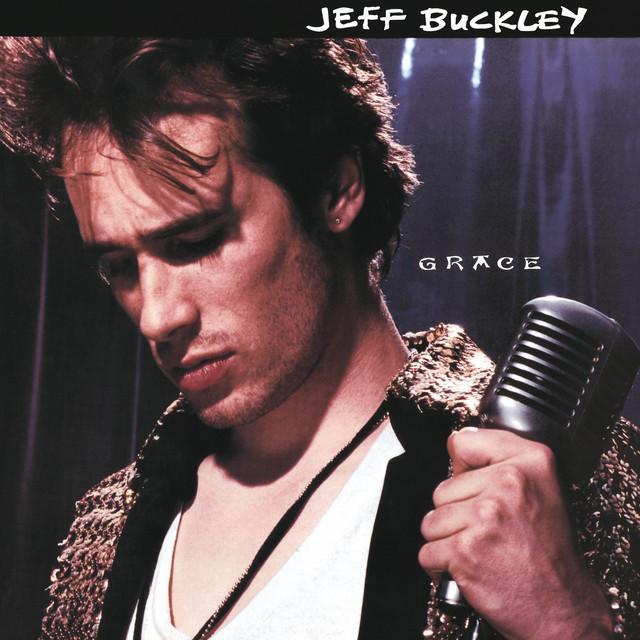
Grace by Jeff Buckley
Jeff Buckley’s “Grace” sounds huge, spiritual, and intimate at the same time. For many listeners, the meaning of Grace Jeff Buckley comes down to one central idea: love can make death feel less frightening.
"Grace" - Jeff Buckley
Long enough for the clouds to fly me away
Well it's my time coming, I'm not afraid
Loading lyrics...
Unable to load lyrics
We're unable to display the lyrics at this time. Please try again later.
Released in August 1994 as the lead single from Buckley’s debut album Grace, the song grew from a Gary Lucas instrumental that Buckley reshaped with new melody and lyrics. Buckley later said in a MuchMusic interview that the song is about not fearing mortality when someone truly loves them. That statement gives a strong factual base, but the song still leaves room for interpretation.
Where Love Meets Mortality
At its core, “Grace” is an elegy that does not sink into despair. The singer faces the fact that life ends, yet they are not crushed by that knowledge. Early on, Buckley uses sky imagery and a calm confession of being not afraid
. Rather than acting brave for show, the voice sounds stunned, tender, and almost relieved.
This matters because the song does not treat death as a dramatic enemy. Instead, it feels close, natural, and already present in the weather, the passing time, and the body itself. The singer seems to accept that love cannot stop death, but it can change how a person walks toward it.
Interpretation: The title “Grace” suggests more than romance. It points to a state of mercy, surrender, and inner clarity. In that reading, love becomes a path to spiritual ease.

Watch the official Grace
music video
The Story Inside the Verses
Buckley reportedly wrote the lyrics after saying goodbye to his girlfriend at an airport on a rainy day. That real-world context helps explain why the song feels full of departure, weather, and last looks.
A farewell that feels final
The opening images place the singer between earth and sky. The moon, clouds, and movement away from the ground suggest being pulled toward something larger. Then the song brings in the plain statement my time has come
, which gives the scene emotional weight.
Love is present, but so is sorrow
The relationship in the song is not simple comfort. One voice sings of love while the other cries under the pressure of time. The lovers are together, but they cannot stop loss. That tension gives the song its ache.
Drink a bit of wine, we both might go tomorrow
That brief moment captures the song’s attitude. The line does not celebrate recklessness. It accepts uncertainty and asks for closeness now, before time takes the chance away.
Why “Wait in the Fire” Feels So Important
The repeated refrain wait in the fire
is the song’s most mysterious image. It can sound harsh at first, but it is also the key to the song’s emotional power.
Fire often symbolizes trial, purification, passion, or transformation. In “Grace,” the command to wait there suggests enduring pain instead of running from it. The singer does not promise escape. They suggest that something meaningful happens by staying present inside fear, grief, and desire.
Interpretation: The refrain may describe the space between life and death, or between heartbreak and acceptance. It can also suggest the difficult heat of love itself, where the ego burns away and something truer remains.
Symbols That Carry the Meaning
Buckley packs the song with natural and physical images that deepen its message:
- Moon and clouds: distance, transition, and being carried away
- Rain: grief, memory, and emotional release
- Wine: temporary comfort and human intimacy
- Fire: testing, change, and surrender
- Time: the force no one can stop
These symbols are simple, but Buckley sings them with such intensity that they feel almost mythic. Even the phrase fading voice
suggests that the body weakens while feeling stays powerful.
Later, when the singer says others can drown my name
, the fear shifts. It is no longer just about dying. It is also about being forgotten. That detail makes the song more human. They can accept death more easily than erasure.
How the Sound Turns Fear Into Flight
Part of the meaning of Grace Jeff Buckley lives in the arrangement as much as the words. The studio version, produced by Andy Wallace, balances force and openness. Buckley’s voice moves from a near-whisper to a soaring cry, making the song feel like a struggle between the body and the spirit.
Gary Lucas created the original instrumental foundation, and Buckley expanded it into something dramatic and fluid. The guitars climb and shimmer instead of staying heavy. Mick Grøndahl’s bass and Matt Johnson’s drums keep the ground beneath the song, while Karl Berger’s string arrangement adds lift and grandeur.
That mix matters. The song is in alternative rock, but it reaches toward art rock and psychedelic space. The band sounds like they are building a ladder upward while Buckley keeps looking back at human pain. That is why the song feels both earthly and transcendent.
Why the Song Still Hits So Hard
“Grace” remains one of Buckley’s defining songs, and Rolling Stone later placed it among its 500 greatest songs of all time. Its staying power comes from how honestly it holds two truths together: death is real, and love is real too.
Many songs pick one side. They either panic about death or romanticize it. “Grace” does neither. It admits fear, sorrow, and the slow passing of time, yet it also believes love can change a person’s posture toward the end.
A Final Reading of “Grace”
The best way to hear “Grace” is as a song about courage born from connection. Buckley’s speaker does not conquer mortality. They face it with open eyes because love has made life feel meaningful enough to lose.
That is what gives the song its strange peace. It is full of tears, weather, and fire, yet it never sounds empty. It sounds transformed.
Interpretation disclaimer: Song meaning is never completely fixed. This reading is based on the lyrics, Buckley’s documented comments, and the recording’s musical choices, but listeners may hear different shades of meaning in “Grace.”







