
Only by Jelly Roll: A Prayer From Rock Bottom
Jelly Roll’s “Only” sounds like a confession whispered in the dark: part relapse story, part prayer, and part search for a reason to keep going.
"Only" - Jelly Roll
Provided by LyricFindWhat if the love that I'm missing is finally taking control?
What if the drugs in my system have finally taken a toll?
What if I bleed? The whole world will see my heartLoading...Loading lyrics...
Unable to load lyrics
We're unable to display the lyrics at this time. Please try again later.
Why the meaning of Only Jelly Roll hits so hard
The meaning of Only Jelly Roll is rooted in contradiction. The song describes someone who knows they are in trouble, but also knows that escape can feel better than healing. That tension gives the track its force.
Rather than telling a neat story, Jelly Roll builds the song around anxious questions. Each verse imagines a worst-case scenario: emotional collapse, spiritual loss, or the fear that love and freedom may not be real in the way people hope. Those questions make the narrator sound exhausted, ashamed, and still desperate for mercy.
Interpretation: the song is less about one event than one trapped mindset. It captures the moment when a person sees the damage clearly but has not yet found a way out.
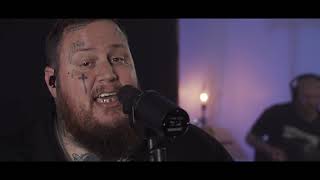
Watch the official Only
music video
A voice caught between guilt and survival
Jelly Roll has built much of his public work around addiction, recovery, trauma, and redemption. That broader context matters here. In interviews and profiles, they have often been discussed as an artist whose music blends country, rock, rap, and testimony-like honesty, a mix reflected in coverage from outlets like Billboard and the Grand Ole Opry.
In “Only,” that honesty appears in raw, direct language. The opening asks whether missing love and substances have finally taken over. When the narrator wonders if the world will see their heart if they bleed, the idea is not just physical pain. It is exposure. They are afraid that if they break open, everyone will see the damage inside.
That is why the prayer matters. The plea for mercy is not polished religion. It feels urgent and messy, like someone reaching for God because nothing else has worked.
The chorus turns escape into the song’s central image
The chorus is the key to the whole track. The narrator says, I don't wanna wake up
, then explains they are living in a dream right now
. Paraphrased, real life feels unbearable, so unreality becomes a shelter.
But the next idea is even more painful. The dream is the only place where they are not a failure. That suggests shame sits at the center of the song. This is not just about craving a high. It is about wanting relief from self-hatred.
The repeated hook, I only feel right
when doing wrong
, sums up the trap. The narrator knows the behavior is destructive, yet wrongdoing has become the only familiar path to comfort. That is a classic self-sabotage pattern: pain becomes routine, and routine starts to feel safe.
Would they fight through the demons
eventually see the light
This brief moment matters because it places hope and threat side by side. Even while imagining rescue, the song admits the battle may be violent and difficult.
Verse by verse, the song widens its fear
First verse: body and soul under pressure
The first verse ties emotional emptiness to chemical damage. Missing love and the toll of drugs are placed in the same frame, which suggests the narrator cannot easily separate heartbreak from addiction. One wound feeds the other.
Second verse: spiritual warfare
The second verse raises the stakes. Darkness may take the soul; angels and demons enter the picture. Whether heard literally or metaphorically, this language shows how total the struggle feels. The narrator is not just having a bad night. They feel caught in a war for who they are.
Third verse: doubt about love and freedom
The final verse becomes more philosophical. It asks if freedom might exist only in the mind and whether giving all their love would end in a fall. That shift is important. By the end, the song is not only about drugs or guilt. It is about whether trust itself is possible.
How the sound supports the meaning
Even without heavy lyrical detail, the structure suggests a slow-burning, dramatic design. Jelly Roll often leans on rock-country production with emotional vocal grit, and this song’s repeated chorus likely works like a spiral: the same thought returns, but it lands harder each time.
The plain wording also helps. There is no clever distancing here. The phrases are blunt, memorable, and easy to sing, which makes the shame feel immediate. The repetition mirrors obsession, the way one destructive thought can loop until it starts to sound like truth.
What “Only” says about Jelly Roll’s larger themes
The song fits a pattern in Jelly Roll’s catalog: broken people still reaching for grace. According to the writing credits provided, the song was written by Jason DeFord and Thomas Toner. That matters because the lyric feels built around testimony rather than abstraction.
Interpretation: “Only” may be heard in at least two ways:
- as an addiction song about numbness, relapse logic, and chemical escape
- as a broader confession about self-loathing, where any harmful habit can replace real healing
Both readings work because the lyrics keep the pain specific enough to feel real, but open enough to apply widely.
The lasting takeaway from “Only”
The meaning of Only Jelly Roll comes down to this: the song captures what it feels like when wrong choices start to feel like the only place a person can survive. Its power comes from refusing to fake confidence. The narrator is scared, ashamed, and still asking for help.
That is why the song lands. It does not present redemption as easy. It presents it as necessary.
Disclaimer: This interpretation is based on the released lyrics, publicly available artist context, and musical analysis. As with any song, listeners may hear meanings that differ from the ones discussed here.









