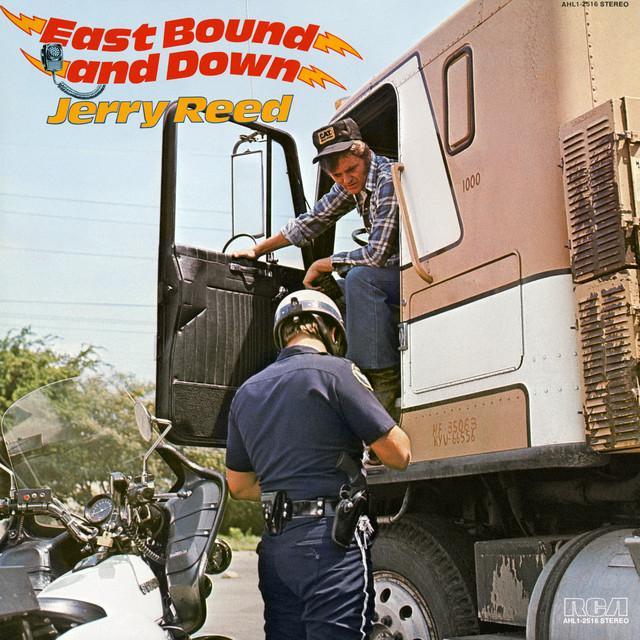
Why 'East Bound and Down' Still Floors It
The meaning of East Bound and Down Jerry Reed starts with motion, but it does not end there. On the surface, the song is a fast, funny road anthem about a driver racing against the clock. Under that surface, it celebrates nerve, teamwork, and the thrill of doing the impossible.
"East Bound and Down" - Jerry Reed
Oh, we gonna do what they say can't be done
We've got a long way to go and a short time to get there
Loading lyrics...
Unable to load lyrics
We're unable to display the lyrics at this time. Please try again later.
Recorded by Jerry Reed for the 1977 film Smokey and the Bandit, the song was released as a single on RCA Victor and became a major country hit, reaching No. 2 on Billboard’s country chart, according to its documented chart history and release details in major reference sources. It was also produced by Reed himself and built to match the movie’s high-speed plot.
The Real Engine of the Song
At its core, the song is about a mission. The narrator and their crew have a job that must be finished fast, even if the odds look bad. That is why the opening idea matters so much: they are loaded up and truckin'
, which frames the run as work, not just joyriding.
Then the song adds its real emotional hook. They plan to do what they say can't be done
. That short line turns the trip into a test of pride. The song is not only about transportation. It is about proving doubters wrong.
Interpretation: This is why the song still lands with listeners who have never seen the film. Its story is specific, but its feeling is universal. People hear ambition, pressure, and swagger all at once.
Watch the official East Bound and Down
music video
How the Movie Plot Shapes the Lyrics
The lyrics closely summarize the central chase setup of Smokey and the Bandit. In the film, the heroes make a rapid run involving illegal beer transport from Texarkana back to Atlanta while trying to avoid police pursuit. The song strips that story down to its most exciting parts: the deadline, the cargo, and the chase.
One phrase captures the pressure best: a short time to get there
. That line keeps the song moving because every verse is haunted by the clock. There is no room for reflection. Everything is urgency.
A Quick Story Map
- A run begins with cargo loaded.
- The team knows the schedule is brutal.
- Law enforcement closes in.
- The driver responds with nerve and speed.
- The chorus turns survival into triumph.
That structure is simple, but it is why the song feels instantly clear. Even a first-time listener knows what is at stake.
Truckers, CB Talk, and American Myth
Part of the song’s charm comes from its language. The title phrase has roots in trucker and CB-radio slang, where “down” suggests having the pedal pushed hard and driving at full tilt. In other words, they are not just traveling east. They are going east at maximum effort.
The lyrics also place the hero inside a classic American type: the road outlaw who is skilled, funny, and hard to stop. When the song warns that Smokey's got them ears on
, it makes the police feel less like a legal force and more like a rival in a game of cat and mouse.
Interpretation: That framing matters. The song does not ask listeners to think deeply about law or morality. It asks them to enjoy the contest between freedom and control.
Why the Chorus Became So Big
The chorus works because it does three jobs at once. First, it repeats the direction and the motion. Second, it reminds listeners of the challenge. Third, it gives the driver a legend-like identity through watch ol' Bandit run
.
That last phrase is important. It shifts the singer from worker to folk hero. “Bandit” is not just a name from the movie. It is a mask of confidence. The driver becomes larger than the job itself.
East bound and down
loaded up and truckin'
long way to go
short time to get there
In just a few compact lines, the chorus gives direction, labor, distance, and deadline. That is why it feels so complete.
The Sound: Why It Feels Like Speed
Jerry Reed’s performance is a huge part of the song’s meaning. His vocal is playful, confident, and slightly rough around the edges in exactly the right way. He does not sound scared by the chase. He sounds energized by it.
The arrangement supports that mood. The song is commonly described as truck-driving country, and it moves with a clipped, propulsive rhythm that mirrors tires on pavement. Reed’s guitar style adds snap and motion, while the groove keeps everything tight and forward. Harmony vocals, including work associated with Gordon Stoker of the Jordanaires, help widen the chorus without softening its edge.
Interpretation: The production makes danger feel fun. That is a key reason the song became bigger than the movie scene it was written for.
Why the Song Lasted
The song stayed popular because it hits several American favorites at once:
- the open road
- rebellion with a grin
- blue-collar skill
- beating impossible odds
It also had real commercial staying power, spending 16 weeks on the U.S. country chart and later reappearing through covers, TV use, and truck advertising. Those revivals kept its image tied to freedom, engines, and speed.
Final Take on Its Meaning
So, what is the meaning of East Bound and Down Jerry Reed? Factually, it is a story song built around the plot of Smokey and the Bandit. But its larger appeal comes from how it turns a delivery run into an anthem of pressure, pride, and motion.
Interpretation: The song says that sometimes the point is not just arriving. The point is proving they can make the run at all.
Disclaimer: Song meaning is always part fact and part interpretation. This reading is based on the lyrics, the film context, and the song’s recorded style, but other listeners may hear it differently.








