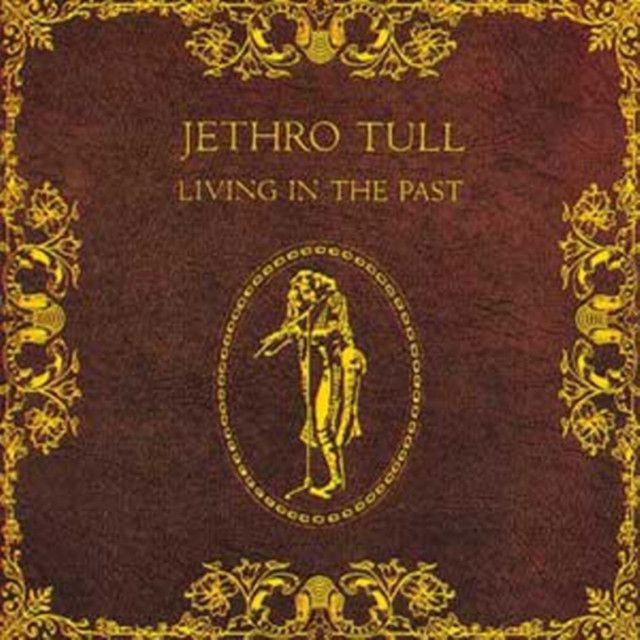
Dr. Bogenbroom by Jethro Tull
They meet a strange “doctor” in a short, sharp song that bites down on modern life. Dr. Bogenbroom is not a gentle healer; he’s a metaphor for quick fixes and crowd anxiety. The narrator feels caught between decay and routine, with one foot in the graveyard
and the other on the bus
. That image frames the meaning of Dr. Bogenbroom Jethro Tull fans often debate: it’s about craving a cure while distrusting the people who sell it.
"Dr. Bogenbroom" - Jethro Tull
And the other on the bus
And the passengers do trample
Loading lyrics...
Unable to load lyrics
We're unable to display the lyrics at this time. Please try again later.
Why This Strange Doctor Matters Now
The song’s core message is blunt. Society rushes, tramples, and looks for someone to make it all better. The “doctor” becomes the promise of a remedy—be it medicine, a guru, a fad, or even the escape of rock music. Yet the narrator sounds skeptical. They see fear in leaders and desperation in the crowd.
Interpretation: the chorus’s trip to the doctor is both a real wish and a joke. Cheering the fix is easier than changing. That tension—between need and doubt—drives the song’s sting.
Watch the official Dr. Bogenbroom
music video
Who’s Talking, and What Hurts
The voice is first person and jaded. They’ve tried to love others and felt shut out by them. There’s anger at hypocrisy and a sense of unfairness: some people flourish while the speaker feels like they’re fading.
The line about everyone just passing through
captures that existential shrug. Life is temporary, crowded, and a little cruel. In that mood, a cure-all sounds tempting. But the narrator doesn’t quite trust saviors—or themselves—for long.
The Refrain as a Mock Rallying Cry
The hook sends them back to the same figure: three cheers for Dr. Bogenbroom
. Interpretation: the cheer reads like a stadium chant, meant to pump up belief. Yet the song’s verses refuse to buy in fully. Each return to the doctor feels like déjà vu—a familiar ritual rather than a solution.
So the refrain functions as irony and need at once. They want help. They also know the crowd’s cheer is part of the problem.
Symbols and Social Satire, Decoded
chicken hearted lawman
: A timorous authority figure, sick at the sight of chaos. Interpretation: it mocks “law and order” that wilts under real pressure.the super pill
: The miracle cure. It hints at faith in pharmaceuticals, gurus, or any one-shot answer. The satire isn’t anti-medicine; it’s anti-myth.- Trampling passengers and locked doors: People protect themselves while joining the rush. That mix of panic and self-interest sets the scene for the doctor’s appeal.
Together, these details build a cartoonish, crowded city where fear sells. The doctor becomes a brand people revisit when life feels unmanageable.
How the Sound Sharpens the Bite
Musically, Dr. Bogenbroom moves fast. The rhythm section is tight and springy, the guitar punches in short phrases, and the acoustic strum keeps things brisk. Ian Anderson’s flute darts between lines, adding wit and edge.
The vocal is clipped and sardonic. There’s little sentimentality—phrases land like jabs. A concise runtime enhances the satire: the band delivers the diagnosis, flashes the “super pill,” and exits before the cure can even be tested. It feels like a street-side performance: quick, wry, and a little abrasive.
Two Plausible Readings (and Why They Work)
Interpretation 1: Social-satire lens. Dr. Bogenbroom is the system’s salesman—someone everyone cheers when their nerves fray. The narrator knows the game but still lines up, because that’s what the crowd does.
Interpretation 2: Music-as-medicine lens. The “doctor” is rock itself. They head back to the show for relief they know won’t last. The chant becomes an anthem for temporary escape, not permanent healing.
Both readings fit because the lyrics hold the paradox in place: they salute the cure while exposing the circus around it.
A Snapshot of Early-’70s Tull, in Miniature
Dr. Bogenbroom comes from Jethro Tull’s early-’70s period, when the band blended folk textures with barbed rock. The arrangement’s economy—crisp guitar, humming bass, nimble flute—mirrors the writing’s bite. Ian Anderson’s authorship shows in the wry social eye and rhythm-heavy phrasing.
For listeners in the United States hearing it today, the scene still feels familiar: packed commutes, anxious headlines, miracle solutions on offer. That’s why the meaning of Dr. Bogenbroom Jethro Tull crafted remains current. The doctor is anyone or anything we beg to settle our nerves.
Takeaway Dose
They can hear the song as a caution: be wary of easy answers, even when life pushes hard. Or they can take it as a wink: cheer the show, enjoy the rush, and remember that we’re all just passing through.
Disclaimer: Song meanings are interpretive. This analysis reflects one informed reading based on lyrics, musical choices, and historical context.