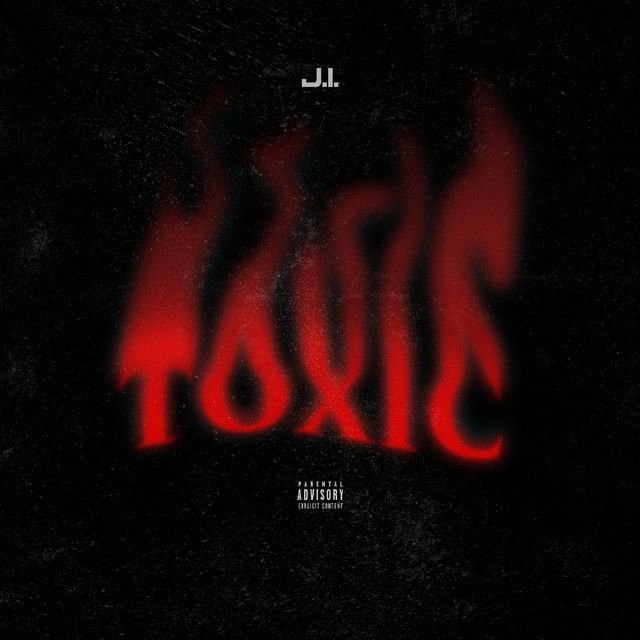
Why "Toxic" by J.I Feels So Brutally Honest
The meaning of Toxic J.I the Prince of N.Y comes down to one hard truth: the song is about a person who knows they hurt others and still cannot stop repeating the pattern. Instead of asking for sympathy, the narrator almost dares the listener to judge them.
"Toxic" - J.I the Prince of N.Y
(Is that Dasda?)
Oh, oh, ayy, yeah
Loading lyrics...
Unable to load lyrics
We're unable to display the lyrics at this time. Please try again later.
That is what gives the track its sting. It sounds like a relationship song on the surface, but underneath, it is really about emotional damage, avoidance, and the way self-awareness does not always lead to change.
A Confession, Not an Apology
At the center of the song is a narrator who openly admits they are difficult, selfish, and emotionally unsafe. When they say T-o-x-i-c, that's me
, the line is not subtle. They are naming their own behavior before anyone else can.
That matters because the song does not pretend the romance failed for simple reasons. The narrator talks about juggling people, canceling plans, and refusing emotional closeness. In plain terms, they treat connection like something temporary and disposable.
Interpretation: The honesty here is real, but it is not the same as growth. The song shows someone who can identify their flaws, yet still uses that self-knowledge as a shield.

Watch the official Toxic
music video
The Relationship Is Already Breaking
The chorus paints the relationship as unstable from the start. The narrator says they hold grudges
more than conversations, which suggests conflict has replaced healthy communication.
They also describe the situation as it's complicated
, but the song makes clear that the complication is not mystery. It is emotional unavailability. They contact the other person only when convenient, and they expect that person to adjust.
The most revealing image is being blinded by these headlights
. That line suggests speed, danger, and bad judgment. Something about the connection felt intense, but that intensity kept the narrator from seeing where things were headed.
Power, Cruelty, and Control
One of the song’s harshest ideas is that the narrator does not just fail at love; they sometimes seem to enjoy having the upper hand. They talk about women like collectibles and admit they damaged someone’s self-esteem.
That is important to the meaning of Toxic J.I the Prince of N.Y because it pushes the song past heartbreak and into manipulation. This is not just someone who is confused. This is someone who knows their actions leave scars.
Still, the writing also hints at insecurity. When the other person once saw them as perfect, they reject that image immediately. They know they are not ideal, and they almost sound uncomfortable being seen too positively.
Interpretation: Their cruelty may be a form of control. If they disappoint someone first, they never have to face being truly known and then rejected.
Numbness Sits Under the Swagger
The song becomes deeper when it turns from arrogance to escape. The narrator says they get intoxicated because they do not want to feel what they are feeling anymore.
That shift matters. Earlier, they sound cold and commanding. Here, they sound lost. The line I ain't tryna feel
points to emotional overload, while the claim that nothing feels real suggests disconnection from both the relationship and themselves.
This does not excuse the damage they cause. But it does widen the portrait. The narrator is not only toxic toward others; they are also trapped in their own habits, unable or unwilling to sit with pain directly.
Why the Hook Keeps Hitting
The repeated chorus gives the song its circular shape. Every time it returns, it reminds listeners that this behavior is not a one-time mistake.
- grudges replace dialogue
- desire replaces commitment
- contact happens on their terms
- the crash keeps happening
That structure mirrors the story. The narrator keeps recognizing the wreckage, but the recognition changes nothing. In that sense, the hook is not just catchy. It is the sound of a cycle.
How the Sound Supports the Message
The production, credited here in the lyric sheet to Cormill and tagged with Dasda, fits the song’s emotional split. The beat feels moody and melodic, leaving room for J.I’s voice to slide between melody and rap.
That matters because the performance is not all one emotion. Some lines land with swagger, almost casually. Others sound heavy, tired, or detached. This push and pull helps the song feel like both a boast and a confession.
The instrumental atmosphere also supports the late-night mood. It feels blurred and half-numb, which matches a narrator trying to outrun emotion through chaos, distance, and substances.
A Character Study in Self-Sabotage
Factually, the available lyric credits list Corliss Waitman, Justin Irvin Rivera, and Sina Dadashi as writers. Beyond that, the song itself offers the clearest context: it is built as a first-person portrait of destructive behavior.
Interpretation: Listeners can hear the track in two ways. One reading is straightforward: it is a blunt admission of being bad for someone. Another is that it captures a person performing toughness because they are emotionally fractured underneath.
Both readings can be true at once. That tension is why the song lands. It never asks the listener to fully forgive the narrator, but it does show how hurt, ego, and numbness can live in the same voice.
Final Take on "Toxic"
The meaning of Toxic J.I the Prince of N.Y is not just that the narrator is harmful. It is that they know they are harmful, explain why only in fragments, and keep moving anyway.
That makes the song uncomfortable in a useful way. It captures what self-sabotage sounds like when it is dressed up as confidence but still leaking pain.
Disclaimer: This interpretation is based on the lyrics provided and publicly available song credits. Meaning can vary by listener, and only the artist can confirm full intent.








