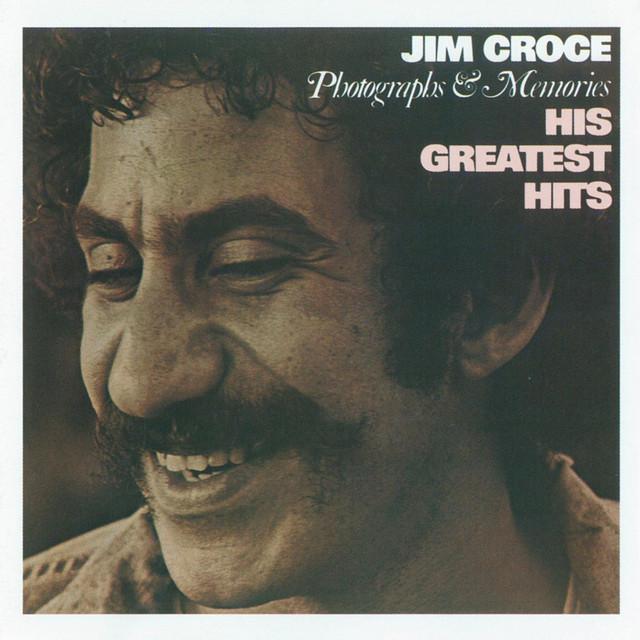
Why Jim Croce's 'Lover's Cross' Still Hurts
The meaning of Lover's Cross Jim Croce comes down to one painful truth: sometimes love asks for more than a real person can give. In this song, they present a narrator who cares deeply, but who also realizes that staying would mean becoming a kind of emotional martyr.
"Lover's Cross" - Jim Croce
Was just a matter of time
But now I've come to my decision
Loading lyrics...
Unable to load lyrics
We're unable to display the lyrics at this time. Please try again later.
Rather than celebrating romance, the song studies the point where devotion turns into self-erasure. That is why it still lands so hard. It is tender, wounded, and firm at the same time.
A breakup song about limits, not lovelessness
At its core, this is a breakup song about boundaries. The narrator is not saying they never loved the other person. In fact, the sadness in the lyric suggests the opposite. They remember laughter, closeness, and effort. But they also see a pattern where joy is outweighed by pain.
When the singer says matter of time
, they frame the split as inevitable. The relationship has been moving toward this ending for a while. The real conflict is not a single fight. It is an unhealthy emotional role the other person seems to want them to play.
That role is summed up in you wanted a martyr
. The narrator feels asked to suffer in order to prove love. Interpretation: this is not just about being hurt; it is about being expected to accept hurt as normal.

Watch the official Lover's Cross
music video
The central image makes the whole song click
The title phrase is the key to everything. A cross is a symbol of burden, sacrifice, and suffering. So when the narrator says they cannot hang upon a lover's cross
, they reject the idea that romance should require emotional crucifixion.
That image is strong because it raises the stakes without becoming melodramatic. They are not complaining about ordinary heartbreak. They are saying the relationship asks for a total surrender of self.
Never was much of a martyr before
ain't 'bout to start
Those lines sharpen the point. The narrator is not built for saintly suffering, and they no longer want to pretend otherwise. The breakup becomes an act of honesty.
How the verses build the narrator's case
Each verse adds another reason the relationship cannot continue:
- They say the ending was inevitable.
- They admit there were good moments.
- They reveal that the pain outweighed the joy.
- They refuse the role of sacrificial lover.
That structure matters. The song does not sound impulsive. It sounds considered. The narrator has counted the emotional cost and decided it is too high.
A key line is two times that I cried
. It turns the relationship into a kind of emotional math problem. For every bright memory, there was even more damage. That simple ratio gives the song its clarity.
Change, reversal, and burned bridges
One of the smartest parts of the lyric is the middle section about turning tables and burning bridges. These are familiar sayings, but Croce uses them well. They show that relationships are not fixed. Power shifts. Feelings change. Shared memories stop meaning the same thing to both people.
Interpretation: the bridge suggests that once people grow apart, the connection itself can become painful. A bridge usually joins two sides. Here, it links people and memories that no longer match. Burning it is not cruel; it may be necessary.
This gives the song a mature point of view. The narrator is not chasing revenge. They are accepting change.
Jim Croce's style makes the pain feel plainspoken
Jim Croce wrote the song himself, and his work is often praised for direct storytelling and conversational detail. He became widely known in the early 1970s through songs like "Operator" and "Time in a Bottle," as noted by sources such as Britannica and the Rock & Roll Hall of Fame. That context helps explain why "Lover's Cross" feels so immediate.
The production is restrained, which suits the lyric. Instead of dramatic rock arrangement, the song leans on a soft pop-folk approach: gentle rhythm, warm acoustic textures, and a vocal that sounds tired rather than explosive. Interpretation: that calm sound mirrors the narrator's decision. They are not leaving in anger. They are leaving after too much sorrow.
Croce's phrasing also matters. He sings the hardest ideas with a weary steadiness, which makes the message feel lived-in. The song hurts because it sounds like someone finally saying what they have avoided saying for too long.
Alternate readings that also make sense
The most obvious reading is romantic: one partner expects impossible emotional sacrifice. But there is another valid angle.
Interpretation: the song can also describe any unequal bond where one person must keep rescuing, absorbing pain, or proving loyalty. In that reading, the "lover's cross" becomes a broader symbol for destructive expectation.
There is also some ambiguity in how much blame belongs to the other person. The narrator is hurt, so their account is one-sided. That makes the song more human, not less. Breakups often feel morally clear from the inside, even when the full story is messier.
Why the song still resonates now
The meaning of Lover's Cross Jim Croce still speaks to modern listeners because the language of boundaries is now more common, even if the feeling is timeless. Many people know what it is like to care for someone and still realize the relationship is costing too much.
What makes this song lasting is its balance. It is compassionate, but not weak. It is sad, but not self-pitying. Most of all, it understands that love is not the same as endless sacrifice.
In the end, the narrator does not deny affection. They deny the demand to suffer for affection. That is what gives "Lover's Cross" its quiet force.
Disclaimer: This interpretation is based on the song's lyrics, performance, and commonly known artist context. Like all art, the song can support more than one reasonable reading.








