Why Jim Croce's 'Operator' Still Hurts
The meaning of Operator (That's Not the Way It Feels) Jim Croce comes down to one painful truth: they can say they are over the breakup, but they do not believe it themselves. What sounds like a simple request to place a phone call slowly turns into a confession about heartbreak, pride, and the limits of self-control.
"Operator (That's Not the Way It Feels)" - Jim Croce
See, the number on the matchbook is old and faded
She's living in L.A. with my best old ex-friend Ray
Loading lyrics...
Unable to load lyrics
We're unable to display the lyrics at this time. Please try again later.
Jim Croce wrote the song, and it became one of the clearest examples of his storytelling gift. In just a few minutes, they sketch a failed relationship, a betrayal, and the moment a person gives up the act of pretending they are fine.
A Phone Call That Becomes an Emotional Collapse
On the surface, the story is easy to follow. The narrator asks a telephone operator for help reaching an old lover. He explains that the number is outdated and that she is now in Los Angeles with his former friend. That setup gives the song its plot, but the real drama is internal.
At first, they sound controlled. They want the number so they can supposedly say they are doing well. The key detail is that this reason feels rehearsed. When the song circles back to the idea that he has overcome the blow
, Croce makes it plain that this is less a fact than a performance.
The emotional center arrives when the narrator admits his own words cannot persuade him. He tries to turn the breakup into a finished story, but the repeated title phrase, that's not the way it feels
, breaks that illusion. The song is not about making the call. It is about discovering he cannot survive that call without reopening the wound.

Watch the official Operator (That's Not the Way It Feels)
music video
The Real Target of the Conversation
Who They Are Really Talking To
One reason the song feels so intimate is that the operator is almost silent. The narrator is speaking to a stranger, yet the conversation sounds like self-therapy. By asking for help to call someone else, they end up revealing what they cannot admit directly.
This is why lines about ordinary objects matter. The old number on a matchbook, the dime, the trouble reading the number back: these are small details, but they make the scene feel lived-in. More important, they show how memory works. A tiny object can hold an entire lost relationship.
When he says there is something in my eyes
, the meaning is clear without needing a full explanation. He is crying, or close to it, and the emotional mask slips. That is the song's turning point.
The Song's Emotional Timeline
The narrative unfolds in three sharp stages:
- Resolve. He asks the operator to place the call and sounds almost casual.
- Crack in the mask. As he explains why he wants to call, grief enters the scene.
- Withdrawal. He abandons the call and says
keep the dime
, a small line that carries defeat, dignity, and exhaustion.
That final gesture matters. He does not get revenge, closure, or even a conversation. He only reaches the point where he understands the call was never going to help.
Why the Chorus Cuts So Deep
The refrain works because it stages an argument between language and feeling. The narrator repeats the social script of heartbreak: people move on, things happen, life goes on. He even shrugs toward cliché with Isn't that the way they say it goes?
But every time he tries to package the pain neatly, the chorus undoes it.
Interpretation: the song suggests that healing cannot be forced by sounding mature. The narrator knows what he should say, but grief does not obey good phrasing. That is why the chorus feels brutally honest. It admits that emotional reality is stronger than the story he wants to tell.
How Jim Croce's Style Shapes the Meaning
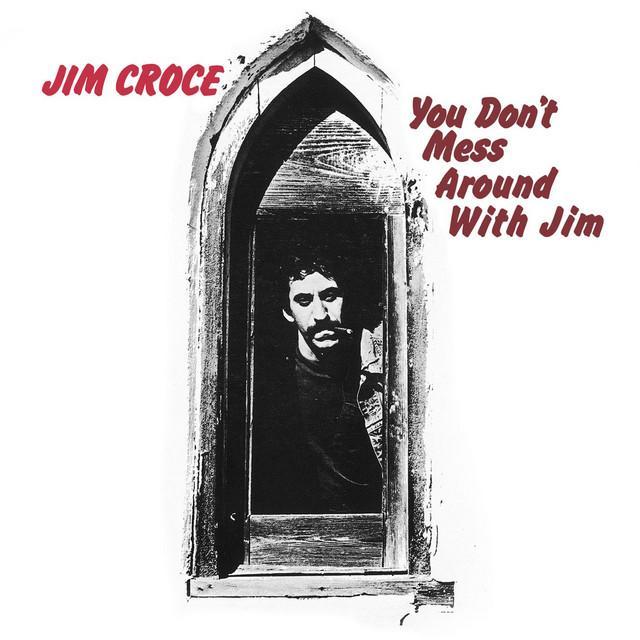
Croce was known for plainspoken narratives and warm acoustic arrangements, a style heard across his early 1970s work, including songs collected on You Don't Mess Around with Jim and later releases documented by his official site and AllMusic. In “Operator,” that singer-songwriter approach is crucial.
The instrumentation stays gentle and uncluttered. Instead of dramatic production, the song leans on acoustic texture, steady rhythm, and Croce's conversational voice. That choice mirrors the setting: a private moment in a public space.
Because the arrangement is restrained, every hesitation lands harder. The listener hears the strain in the narrator's phrasing, especially as the song moves from polite request to emotional retreat. The music never explodes, which makes the pain feel more believable. Real heartbreak often sounds exactly like this: quiet, embarrassed, and trying not to fall apart in front of someone else.
Betrayal, Pride, and Self-Deception
Beyond the breakup, the song also touches a second hurt: betrayal by a friend. The woman is not simply gone; she is with a person the narrator trusted. That detail deepens the wound and explains why the call matters so much. He is not chasing romance alone. He is trying to reclaim pride.
Interpretation: another layer of the song is self-deception. He claims he wants to call only to prove he is okay. But if he were truly okay, he would not need the call. The song's genius is that it lets the listener hear him realize this in real time.
Why the Song Still Connects
For many listeners in the United States, the song remains powerful because its technology may be dated, but its emotions are not. Most people know the urge to reach out, rehearse a calm speech, and then realize they are still too hurt.
Croce turns that common feeling into a miniature drama. The phone operator becomes a witness. The dime becomes a symbol of a call not made. And the title becomes the truth the narrator cannot escape.
A Quiet Classic of Heartbreak
The meaning of Operator (That's Not the Way It Feels) Jim Croce is ultimately about the distance between appearance and reality. They want to sound healed, wise, and unbothered. Instead, the song reveals someone still caught inside the loss.
That honesty is why “Operator” endures. It understands that the hardest breakup moments are not always loud. Sometimes they happen in a small pause, with a stranger on the line, when a person finally admits the pain is still there.
Disclaimer: This article offers informed interpretation based on the song's lyrics, performance, and known artist context. Like all art, the song can support more than one valid reading.








