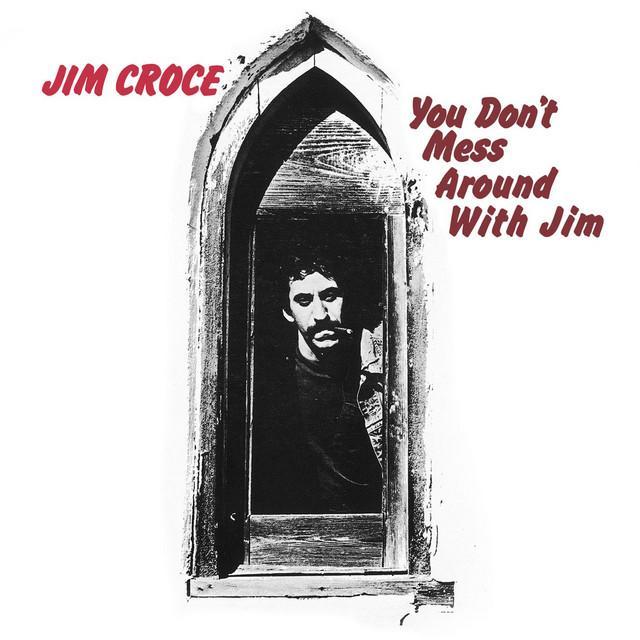
Why "Photographs and Memories" Still Hurts
The meaning of Photographs and Memories Jim Croce comes down to one simple, painful truth: after love ends, ordinary objects can feel heavier than ever. In this song, they do not have the person anymore. They only have the traces that person left behind.
"Photographs and Memories" - Jim Croce
Christmas cards you sent to me
All that I have are these
Loading lyrics...
Unable to load lyrics
We're unable to display the lyrics at this time. Please try again later.
Jim Croce built much of his reputation on clear, emotional storytelling, blending folk and pop in songs that felt conversational rather than ornate. He wrote and recorded during the early 1970s, a period covered by standard artist biographies and discographies from sources like the Jim Croce official site and AllMusic. That matters here, because this song fits his gift for making everyday life sound quietly profound.
A breakup song built from small objects
At its core, this is a song about surviving on leftovers. The singer is not holding onto grand declarations. They are holding onto snapshots, greeting cards, and nighttime recollections. That choice is important.
When the lyric mentions Photographs and memories
, it reduces a whole relationship to what can be saved in a drawer or replayed in the mind. The song does not describe a dramatic fight or betrayal. Instead, it captures the lonely aftershock, when love is over and the details remain.
That makes the song feel deeply human. Many breakup songs focus on the moment of collapse. Croce focuses on what comes next: the quiet inventory of what is left.
Watch the official Photographs and Memories
music video
The emotional timeline moves backward
First, the keepsakes
The opening starts in the present, where physical reminders stand in for a missing person. A line like Christmas cards
shows how specific the memory is. This was not a casual romance. Shared holidays suggest history, routine, and tenderness.
Then, memory takes over
The song soon shifts from objects to mental replay. When they sing about memories arriving at night, the meaning becomes sharper. Daytime may allow distraction, but nighttime brings reflection. The mind returns to a season when the relationship felt safe and whole.
Finally, the dream breaks
The most painful turn comes when the song recalls beautiful moments only to admit that Not a dream survived
. That phrase matters because it collapses romance and future plans at once. This is not just nostalgia for happy dates. It is grief for the life they thought they were building.
Why the chorus lands so hard
Croce's chorus is effective because it is plain. There is no complicated metaphor to decode. The singer says, in essence, that all they have left are reminders and the memory of love.
That emotional plainness is the song's strength. The phrase All I've left of you
sounds almost casual, but it carries real devastation. The relationship has been reduced to evidence. Love once felt alive, but now it exists as archive.
Interpretation: This is why the chorus hits so hard. It suggests that memory is both comfort and punishment. The keepsakes prove the relationship mattered, yet they also prove it is gone.
The happiest details make the loss worse
One reason the song lingers is its use of warm, domestic images. Croce does not rely on abstract language about heartbreak. He mentions shared habits and intimate moments, including Morning walks and bedroom talks
.
Those details make the romance feel ordinary in the best way. It was woven into daily life. That is what makes the loss sting. People can replace a dramatic fantasy more easily than they can replace familiar routines.
The same thing happens with seasonal and nighttime imagery. Summer skies, lullabies, and long goodbyes all create softness. The song remembers the relationship not as chaos, but as comfort. Because of that, the ending feels even sadder.
How the music carries the meaning
The production supports the lyric's reflective mood. Croce's recordings often pair acoustic guitar with a gentle, approachable arrangement, a hallmark noted in overviews from Britannica and AllMusic. In this song, the folk-pop setting gives the words room to breathe.
There is no need for explosive drums or theatrical vocals. The melody moves with a calm, almost resigned sadness. That restraint mirrors the lyric's emotional state. They are not raging. They are remembering.
Croce's vocal style also matters. He often sounded close to the listener, as if speaking across a kitchen table. Here, that intimacy makes the song feel less like performance and more like confession.
Artist context helps explain the song's power
Jim Croce was especially good at writing songs that sounded simple on first listen and deeper on return. Across well-known tracks like "Operator" and "Time in a Bottle," he often centered memory, regret, and the distance between people. This song belongs to that same emotional world.
The meaning of Photographs and Memories Jim Croce is not hidden behind obscure symbolism. It is powerful because it recognizes a common experience: after a breakup, people often cling to the smallest remnants because those remnants make the past feel briefly reachable.
A final reading of its message
Interpretation: The song suggests that memory is unreliable but unavoidable. It can bring back a happier day
, yet it cannot restore the relationship itself. That tension gives the track its ache.
In the end, "Photographs and Memories" is about love reduced to fragments, and about how those fragments can still carry enormous emotional weight. It turns keepsakes into a portrait of grief, longing, and gratitude for what once was.
Disclaimer: This interpretation is based on the song's lyrics, recording style, and Jim Croce's broader artistic context. As with any song, listeners may hear different meanings in it.







