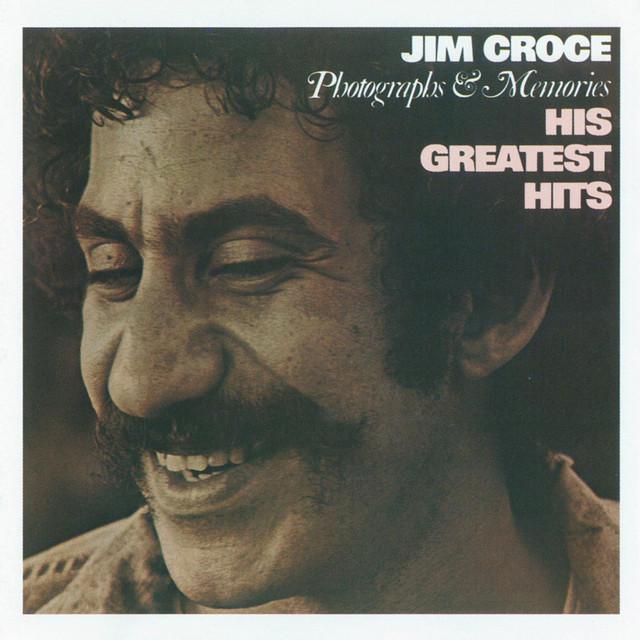
Why Jim Croce’s Tough-Guy Tale Still Lands
The meaning of You Don't Mess Around With Jim Jim Croce starts with a simple trick: it sounds like a fun barroom story, but it is really about how fast fear can become legend. Jim Croce turns a pool-hall showdown into a lesson about swagger, status, and the way crowds worship power until someone stronger walks in.
"You Don't Mess Around With Jim" - Jim Croce
The Bowery got its bums
42nd Street got big Jim Walker
Loading lyrics...
Unable to load lyrics
We're unable to display the lyrics at this time. Please try again later.
Released in June 1972 as Croce’s debut ABC single, the song became his first major hit, reaching No. 8 on the Billboard Hot 100. It also introduced the story-song style that would help define his career. Those release and chart details are widely documented in reference sources such as Wikipedia’s song entry.
A Street Myth Built in Three Minutes
The song opens by building Big Jim Walker into a local giant. Croce places him among hustlers, bums, and nighttime operators, then gives him a reputation so large that everyone treats him like a king. The key point is not just that Jim is dangerous. It is that the whole room agrees he is dangerous.
That is why the chorus matters so much. Warnings like you don't tug on Superman's cape
and you don't mess around with Jim
are exaggerated on purpose. They make Big Jim sound less like a man and more like a folk hero. Croce is showing how people create myths through repetition.

Watch the official You Don't Mess Around With Jim
music video
Where the Song Came From
Croce did not write the song about himself. According to reporting from American Songwriter, the idea grew from time he spent around pool halls while selling radio airtime in a rough part of Philadelphia. Ingrid Croce recalled that he watched games, studied the personalities, and knew of a real player named Jim Walker who helped spark the character.
That backstory matters because it explains the song’s detail. The setting feels lived-in, not invented from a distance. Croce writes like someone who has watched a room go quiet when the wrong person walks in.
The Twist Changes the Whole Meaning
Then the song pivots. A newcomer from Alabama, Willie McCoy, also called Slim, arrives to settle a score. The crowd reacts like a Greek chorus, basically telling him he has no chance. At this point, the listener expects a contest where Big Jim proves his title.
Instead, Croce swerves hard. There is no glamorous duel, no honorable sportsmanship, and no long buildup to a fair game. Big Jim gets destroyed, and the crowd instantly rewrites its own rulebook. By the end, the warning becomes don't mess around with Slim
.
Interpretation: this is the song’s real point. The story is less about one tough man than about the fragility of toughness itself. Reputation looks permanent until it meets reality.
What the Chorus Really Does
The chorus is funny, memorable, and a little cartoonish. References like spit into the wind
and the old Lone Ranger
give the song a wink. Croce knows these comparisons are oversized, and that is what makes them work.
But the joke has a purpose. Each line turns street wisdom into a catchy proverb. The listener ends up singing along to a warning system built on fear. When Slim wins, the same formula stays intact; only the name changes.
Interpretation: Croce may be suggesting that communities often care less about justice than about who currently holds power.
Sound That Smiles While the Story Bites
Part of why the song remains popular is its sound. Sources note its choppy groove and call-and-response feel, and that description fits. The track moves with a loose, almost playful bounce instead of dark drama.
That contrast is important. Croce’s rhythm guitar keeps the song grounded, while piano, lead guitar, bass, and drums give it a bar-band lift. Backing vocals add to the crowd feeling, almost like bystanders reacting in real time. Personnel listed in major song references include Maury Muehleisen on lead guitar and Tommy West on piano, with production by Terry Cashman and Tommy West.
Because the arrangement feels bright, the story lands with more surprise. The music invites a grin; the plot delivers a cautionary tale.
A Croce Signature in Early Form
This song also matters in Croce’s catalog because it previews a pattern he used so well: the vivid character sketch. American Songwriter connects it to the later hit "Bad, Bad Leroy Brown," another tale about a feared man meeting his match.
Croce was especially good at writing ordinary American legends. He took people from bars, streets, and workaday life and made them feel mythic without making them unreal. That balance is a big reason the song crossed over so well in 1972.
So What Is the Song Saying?
At the clearest level, the meaning of You Don't Mess Around With Jim Jim Croce is that public power depends on public belief. Big Jim rules because everyone around him agrees he does. Slim wins, and the room transfers that belief almost immediately.
A second reading is more playful: Croce may simply be enjoying the mechanics of a great tall tale. The nicknames, the warnings, and even the spoken tag about the cue all sound like a born storyteller entertaining a crowd.
Both readings can be true at once. The song is funny, catchy, and sharply observed, but it also hints that tough-guy myths are built on shaky ground.
Final Take on Jim, Slim, and Legend
What keeps this song alive is not just the hook. It is the reversal. Croce sets up one legend, tears it down, and shows how quickly another one takes its place.
That is why the song still feels fresh. It understands that in places ruled by image, fear, and pride, the story people tell can matter as much as the truth they saw.
Disclaimer: This interpretation separates documented facts about the song’s release, inspiration, and recording from critical reading of its themes. Meaning in music can remain open to more than one valid interpretation.







