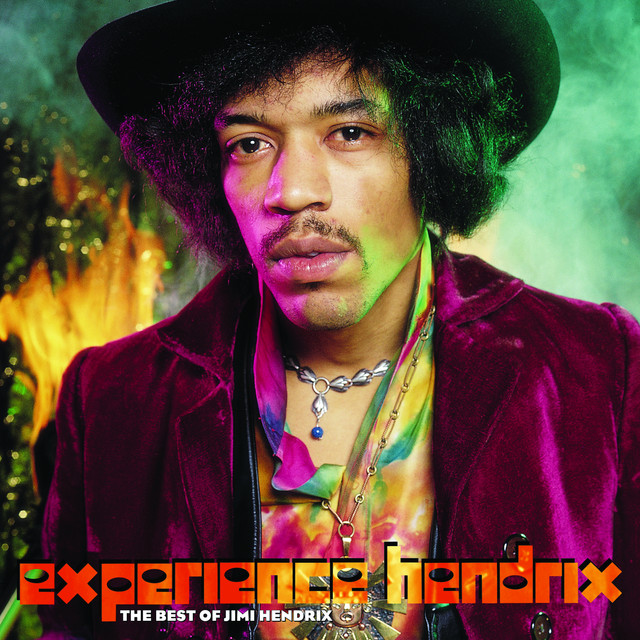
Hey Joe by Jimi Hendrix
A murder ballad turned electric legend
The meaning of Hey Joe Jimi Hendrix starts with a simple but disturbing story: a man is confronted after killing his partner and then plans to flee to Mexico. The song is not subtle, and that bluntness is part of its power. Rather than offering comfort or moral lessons, it drops listeners into a tense exchange and lets the horror sit there.
"Hey Joe" - Jimi Hendrix
Hey Joe, I said, where you goin' with that gun in your hand? Oh
I'm goin' down to shoot my old lady
Loading lyrics...
Unable to load lyrics
We're unable to display the lyrics at this time. Please try again later.
Although many listeners connect the song most strongly with Hendrix, it was written by Billy Roberts, who registered it in 1962. Hendrix recorded his famous version in London on October 23, 1966, with producer Chas Chandler, and it became the Jimi Hendrix Experience’s first single in the UK, reaching No. 6, according to Wikipedia.
Watch the official Hey Joe
music video
What the song is really about
At the story level, the song follows Joe after a crime of jealousy. Another voice asks where he is going, and Joe answers with shocking honesty. He says he caught his partner with someone else, then admits he shot her and plans to escape.
That makes the song part conversation, part confession. Short phrases like where you goin'
and way down south
move the plot forward, but they also reveal something deeper: Joe is not wrestling with guilt so much as trying to outrun consequences.
Interpretation: Many readers hear the song as a portrait of violent male pride. Joe treats betrayal as an excuse for ownership and revenge. The song never says he is right. Instead, its cold, almost casual tone can make him sound even worse.
The voices inside the lyric
One reason the song hits so hard is its structure. It is built like a dialogue. Someone questions Joe, and Joe answers. That format creates distance between the audience and the crime, as if listeners are overhearing a roadside exchange after the worst has already happened.
The repeated address Hey Joe
matters because it sounds familiar, almost everyday. That normal tone clashes with the violence in the story. The result is unsettling: a nightmare delivered in plain speech.
A quick narrative timeline
- A speaker sees Joe carrying a gun.
- Joe says his partner was unfaithful.
- The song confirms she has been shot.
- Joe decides to flee to Mexico.
- He imagines escape as freedom from punishment.
That last step is key. When Joe says he can be free
, the song exposes his twisted thinking. He treats freedom not as moral release, but as avoiding the law.
Why Mexico matters in the story
In older American songs and films, Mexico often appears as a symbolic borderland, a place where someone can vanish. In “Hey Joe,” it works less as a real destination than as a fantasy of escape. Joe believes distance can erase what he did.
I'm goin' way down south
Way down to Mexico way
These lines are simple, but they carry the song’s central irony. Joe thinks movement means liberation. The listener hears panic, denial, and the fear of capture.
How Hendrix changed the song’s meaning
Hendrix did not write “Hey Joe,” and several artists recorded it before him. The Leaves had a U.S. hit with it in 1966, and Tim Rose’s slower arrangement appears to have influenced Hendrix’s version, as noted by Songfacts. But Hendrix transformed the song’s emotional weight.
Instead of rushing through the plot, the Experience lets it breathe. The tempo is measured, the groove is heavy, and the guitar lines seem to hang over the words like smoke. That slower pace gives the violence more dread. It does not feel like gossip anymore. It feels inevitable.
Guitar, groove, and dread
Hendrix’s guitar is the real narrator in some ways. Between vocal lines, the instrument comments with bends, fills, and bluesy phrases that sound weary rather than triumphant. Noel Redding’s bass and Mitch Mitchell’s drums keep the track moving, but they never make it feel carefree.
This matters for interpretation. A faster or brighter version can make the song sound like a rough folk tale. Hendrix’s version sounds haunted. Even when Joe speaks plainly, the band suggests damage underneath.
Is the song endorsing Joe?
This is the biggest question around the meaning of Hey Joe Jimi Hendrix. Factually, the lyric gives Joe a voice. It does not stop to condemn him in direct language. But giving a character space to speak is not the same as approving of him.
Interpretation: The song works best as a dramatic character sketch, not a moral defense. Joe sounds hard, but also cornered. He explains himself, yet his explanation is weak. The line of thinking is ugly: jealousy becomes an excuse for murder.
Some critics have read the song as misogynistic because it centers violence against a woman without offering justice inside the lyric. That concern is valid and important. At the same time, many listeners hear the performance itself as exposing Joe’s emptiness rather than celebrating him.
Why the song became so iconic
Part of the answer is timing. “Hey Joe” introduced many listeners to Hendrix as a recording artist in late 1966. It was not his composition, but it was a perfect showcase for his control of tone, mood, and guitar color.
It also linked rock to older traditions: the murder ballad, the blues lament, and the outlaw story. Hendrix made those forms feel modern and dangerous. Later performances, including at Woodstock in 1969, helped seal the song’s legend.
The lasting takeaway
The lasting meaning of “Hey Joe” lies in its tension between plain words and deep unease. On paper, it is a short story about jealousy, murder, and flight. In Hendrix’s hands, it becomes a study in denial, masculine violence, and the false dream of escape.
That is why the song still unsettles people. Joe keeps talking, but the music tells on him.
Disclaimer: This interpretation blends documented facts about the song’s history with critical reading of its lyrics and performance. Meanings can vary from listener to listener.







