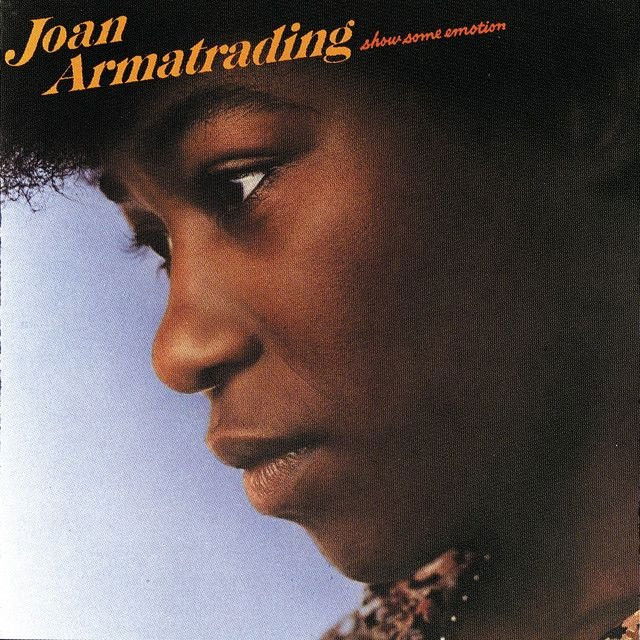
Why "Woncha Come On Home" Feels So Frightening
The meaning of Woncha Come On Home Joan Armatrading comes down to a simple but powerful tension: a house can be locked up tight and still feel unsafe. In this song, they present a narrator who is alone, afraid, and calling for someone whose presence means safety. That emotional setup gives the track its force.
"Woncha Come On Home" - Joan Armatrading
But all the rooms
Are empty
Loading lyrics...
Unable to load lyrics
We're unable to display the lyrics at this time. Please try again later.
Joan Armatrading is widely recognized for writing songs that blend emotional precision with strong melodic hooks, and she wrote this song herself. Her official artist materials and major reference sources credit her as a songwriter with a catalog built on intimate, sharply observed writing. Those broader facts about her career help explain why this song feels so direct and personal, even when it leaves parts of the story open to interpretation.
A Home Full of Light, but No Comfort
The opening image is striking because it sounds normal at first. The house has Every light is on
, yet the rooms are empty. In other words, visibility does not create safety. The song begins by showing a place that should feel lived in and protected, but instead feels hollow.
That contrast is central to the song’s meaning. The narrator does not just miss company; they seem to fear what happens when they are left alone with their thoughts. When they ask someone not to stay out too late and admit they hate being alone, the request feels urgent rather than casual.
Watch the official Woncha Come On Home
music video
The Plea at the Center
The repeated hook, Baby woncha come on home
, is the emotional core of the song. Before and after that phrase, the lyric makes clear that this is not just about romance. It is about dependence, reassurance, and immediate relief.
Interpretation: The song can be read as a portrait of emotional attachment under stress. The narrator is not simply asking for a loved one to return; they are asking for the world to feel normal again. The home becomes livable only when that person is there.
Fear Moves from Outside to Inside
The most obvious threat in the lyric is the figure outside. The song mentions a madman
and places him on the corner, staring toward the window. That image gives the song its suspense. It turns the night into a watchful, hostile space.
But the writing does something clever. The narrator says the doors are locked and the windows are secured from inside
. That detail should end the problem. Instead, it makes the fear stronger. Even after every practical step has been taken, the panic remains.
This is why the song works as both a literal scene and a psychological one. The stranger may be real, but the larger drama is happening inside the narrator’s mind. The danger outside triggers a deeper terror: being alone with no one to steady them.
A Quick Story of Escalation
The song unfolds in a tight sequence:
- The house is bright but empty.
- The narrator admits they are afraid of being alone.
- A threatening man appears outside.
- The house is locked down.
- The fear grows anyway as a shadow crosses the window.
That last image, Moves across the window
, matters because it pushes the song from worry into near-panic. The threat is no longer distant. It feels close enough to touch the home, even if it never enters.
Sound and Performance: Anxiety in Musical Form
Any discussion of the meaning of Woncha Come On Home Joan Armatrading should include how the music carries the fear. The song’s rock setting gives it weight, but it is not fear expressed through chaos. Instead, the tension comes from repetition, steady momentum, and the way the vocal plea keeps returning.
Armatrading’s style often relies on emotional control rather than theatrical excess. That matters here. A measured delivery can make fear sound more believable because it feels lived-in. The song does not scream its message; it tightens around it.
Interpretation: The arrangement likely supports the lyric by keeping the listener in a state of suspense rather than release. Repeated lines mimic obsessive thought. The chorus does not solve anything; it circles the same need again and again.
Symbols That Deepen the Song
Several motifs carry the meaning:
- Light: usually linked to safety, but here it exposes emptiness.
- Windows: a boundary between inner fear and outer threat.
- Locks and keys: attempts at control that cannot calm the mind.
- Home: not just a place, but a feeling created by another person.
This is why the title phrase is so important. “Home” is not simply where the narrator lives. It may describe the person they need. Without that person, the house is only a structure full of nerves.
Two Strong Readings of the Song
The literal reading
On the surface, this is a nighttime fear song. A person is alone, sees a threatening figure, secures the house, and begs their partner to return. That reading is fully supported by the plain story in the lyrics.
The emotional reading
Interpretation: The outsider may also symbolize anxiety itself. The threatening man on the corner could represent dread, loneliness, or abandonment taking visible form. In that reading, the song is about how fear grows when someone feels emotionally unprotected.
Why the Song Still Lands
What makes this track memorable is its simplicity. The lyric uses ordinary images—lights, windows, a corner, a shadow—and turns them into a scene of intense vulnerability. It captures the moment when a person realizes that practical safety and emotional safety are not the same thing.
In the end, the meaning of Woncha Come On Home Joan Armatrading is about the human need for presence. The narrator does not just want company. They want the kind of closeness that makes fear shrink and a house feel like home.
Disclaimer: This interpretation is based on the lyrics, performance, and available song context. As with most great songs, listeners may hear different meanings in the same lines.








