Why "An guten Tagen" Feels So Human
Johannes Oerding’s "An guten Tagen" has the kind of message that travels easily across languages. Even for listeners in the United States who do not speak German, the emotional shape is clear: this is a song about those rare days when life feels lighter, warmer, and briefly in sync.
"An guten Tagen" - Johannes Oerding
Und meine Uhr tickt nicht so schnell
Trotz gestern Abend bin ich wach und ziemlich klar
Loading lyrics...
Unable to load lyrics
We're unable to display the lyrics at this time. Please try again later.
For anyone searching for the meaning of An guten Tagen Johannes Oerding, the short answer is this: it is about gratitude for temporary happiness. The song does not pretend that darkness is gone forever. Instead, it says the bright days matter precisely because they pass.
A Song About Relief, Not Perfection
At its core, the track describes a shift in perception. On good days, ordinary life looks changed. Time feels slower, stress loosens, and even self-doubt steps aside. Early lines paint that feeling with simple images, like everything glowing brighter and the singer liking the person in the mirror.
That matters because the song is not really about success or winning. It is about relief. The narrator is still the same person, but on these days the world becomes easier to carry. A line like here and now
sums up the emotional center: joy is found in presence, not control.
Interpretation: The song suggests that happiness is less a permanent state than a temporary alignment of body, memory, weather, and company. That idea gives it emotional honesty.

Watch the official An guten Tagen
music video
How the Verses Turn Everyday Life Into Color
One of the song’s strengths is how it transforms plain details into signs of inner change. Traffic disappears, doubts seem absent, concrete turns colorful, and a bad night out becomes part of a better story the next day. These are not grand miracles. They are small signs that a person’s relationship to the world has improved.
That is why phrases like my doubts skip work
and gray concrete turns colorful
feel so effective. They show mood changing reality, or at least changing how reality is seen.
The social side of happiness
The song also widens beyond one person. It moves from private clarity to shared joy. The best moments are not only about feeling better alone; they are about laughing with others, going out, and holding close the people who matter.
A phrase like our laughter is real
points to that idea. Good days are not just sunny moods. They are days when connection feels sincere and uncomplicated.
What the Chorus Really Says
The chorus gives the song its philosophy. On good days, they do not look left or right, and they do not look back. The point is not denial. The point is focus.
By refusing regret for a moment, the narrator creates emotional space. That is why the chorus lands so strongly. It describes a pause from comparison, anxiety, and overthinking. The future may still exist, but the past stops ruling the room.
Maybe forward, never back
Not forever
Those short lines carry the song’s most mature insight. Happiness is welcomed without pretending it will last. Rather than making the mood weaker, that honesty makes it feel earned.
The Bridge Holds the Whole Meaning Together
The most revealing section comes near the end. The narrator admits that their sun needs breaks and sometimes hides. That image changes the song from a simple feel-good anthem into something deeper.
Suddenly, listeners understand that the good day exists beside bad days, not instead of them. The decision to “take a photo” of the light becomes a metaphor for memory. When dark days return, they can remember that brightness was real.
Interpretation: This may be the song’s emotional thesis. Joy is not valuable because it is permanent. It is valuable because it can be stored, remembered, and used as proof that pain is not the whole story.
Johannes Oerding’s Context Matters
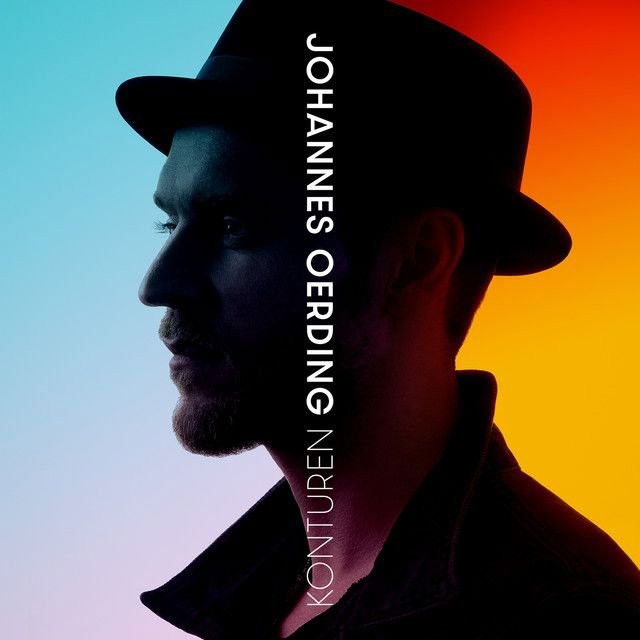
Johannes Oerding is known in German pop for emotionally direct songwriting and a warm, accessible vocal style. He released "An guten Tagen" as part of Konturen, with songwriting credited to Johannes Oerding, Mark Smith, and Benjamin Dernhoff. Those credits are widely listed in official release databases and discographies.
That context helps explain the song’s broad appeal. Oerding often works in a lane where personal struggle and mainstream melody meet. This track fits that approach well: it is reflective enough to feel true, but catchy enough to feel communal.
How the Sound Carries the Message
Even without digging into every production credit, the arrangement itself tells a story. The song uses a clean pop structure, steady rhythm, and a chorus built for uplift. The verses feel grounded and observant, while the hook opens outward, matching the lyric idea that the world suddenly expands on good days.
The vocal delivery matters too. Oerding sings with controlled warmth rather than dramatic anguish. That choice keeps the song from sounding desperate. Instead, it feels grateful.
The result is important for the meaning of An guten Tagen Johannes Oerding: the music does not just describe joy, it stages it. The track gradually creates the emotional openness the lyrics talk about.
Why the Song Connects So Easily
The reason the song resonates is simple: most people know what a “good day” really means. It is not a perfect day. It is a day when the weight lifts a little.
That is why lines about time, weather, laughter, and memory all fit together. They are different ways of saying one thing: life can briefly feel possible again.
For U.S. listeners, that emotional logic translates even without full fluency in German. The song’s message is universal because it deals in recognizable human experience rather than complex plot.
Final Take
"An guten Tagen" is about savoring bright moments without demanding that they last. It honors joy, but it also honors fragility. That balance is what makes the song feel real.
In the end, they present happiness as something to notice, share, and remember. That may be the song’s quiet wisdom.
Disclaimer: This interpretation is based on the lyrics, performance, and public song credits. As with any song, meaning can remain open to individual listeners.







