What "Small Town" Says About Home
John Mellencamp’s “Small Town” sounds simple on first listen, but the meaning of Small Town John Mellencamp is richer than a basic hometown anthem. The song holds two truths at once: small towns can feel limiting, and they can also feel like the one place where a person is fully known.
"Small Town" - John Mellencamp
And I live in a small town
Probably die in a small town
Loading lyrics...
Unable to load lyrics
We're unable to display the lyrics at this time. Please try again later.
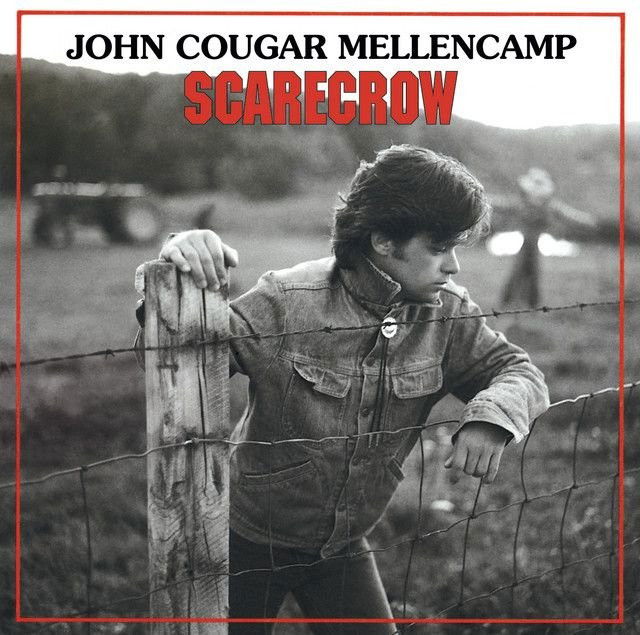
Released on Scarecrow in 1985, the track fits Mellencamp’s larger focus on American working-class life and Midwestern identity, themes often noted in coverage of the album and career history by sources like Britannica and the Rock & Roll Hall of Fame. That context matters, because the song does not come from a detached observer. It comes from an artist whose image and writing were deeply tied to small-town America.
The Real Core of the Song
At its heart, “Small Town” is about identity shaped by place. The narrator says they were born in a small town
and expect life to end there too. That repeated idea is not just geography. It suggests a full life cycle: birth, work, love, and death all happen inside one close community.
But the song is not blindly romantic. It also admits the town offers little opportunity
. That phrase is important. Mellencamp balances pride with frustration, showing that home can be supportive and limiting at the same time.
Interpretation: The song argues that meaning does not always come from escape. Sometimes it comes from accepting where a person comes from, even if that place is imperfect.

Watch the official Small Town
music video
How the Verses Build the Message
Each verse adds a layer to the narrator’s relationship with home:
- They describe family, friends, and work as all tied to the same local world.
- They recall education and religion, suggesting the town shaped their beliefs and fears.
- They admit youthful dreaming, including the wish for something more exciting.
- They return to gratitude, saying they cannot forget the people who love them.
This structure makes the song feel honest. It does not move in a straight line from complaint to praise. Instead, it circles through boredom, memory, pride, and acceptance, much like real feelings about home often do.
One especially revealing moment is daydream in that small town
. In plain terms, the narrator once imagined another life. That detail keeps the song from becoming propaganda. It allows room for restlessness.
The Chorus Turns Place Into Identity
The chorus works because it is repetitive without sounding empty. When the narrator keeps returning to the town, they are really returning to self-definition. Small-town life is not just where they live. It is who they are.
That is why a line like I can be myself here
carries so much weight. The song suggests that being known by others can feel freeing, not only confining. In a big city, a person may find anonymity. In this song, the gift of a small town is recognition.
Interpretation: The chorus reframes the earlier complaints. Lack of opportunity matters, but belonging matters too. Mellencamp does not say one cancels out the other. He lets both remain true.
Home, Ambition, and the Big-City Tension
A key section says there is nothing wrong with a big town, yet the narrator still belongs elsewhere. That distinction is important. The song is not anti-city. It is pro-rootedness.
The mention of marrying an L.A. Doll
also adds nuance. It brings glamour and distance into the story, then pulls that image back into local life. In effect, even outside sophistication gets absorbed by the small-town world.
This is one reason the song has lasted in the United States. Many listeners know the tension between ambition and loyalty. They may leave home, dream beyond it, or even build a new life elsewhere. Yet they still measure themselves against where they started.
Why the Sound Matters So Much
“Small Town” is a rock song, but it is not flashy. Its heartland-rock arrangement—firm drums, ringing guitars, and a plain, sturdy groove—supports the lyric’s directness. Mellencamp’s vocal delivery is especially important. They sing with conviction, not polish, which makes the message feel lived-in rather than decorative.
That production style matches Scarecrow, an album often described as rooted in rural and small-town concerns. The music feels communal and grounded, the sonic equivalent of plain speech. There is no need for ornate detail because the power comes from repetition, emphasis, and emotional certainty.
Why the Song Still Connects
The meaning of Small Town John Mellencamp still resonates because it captures a lasting American conflict. People want freedom and possibility, but they also want memory, recognition, and love. The song understands that a hometown can be both a cage and a shelter.
That balance is why “Small Town” avoids cliché. It is proud without being naïve. It is critical without turning bitter. Most of all, it says that the places people outgrow may still be the places that made them.
Final Take
“Small Town” is really about belonging shaped by limits. It honors the emotional power of home while admitting that home may not offer everything.
That tension gives the song its staying power. It feels true to people who stayed, people who left, and people who still are not sure which choice was right.
Disclaimer: This interpretation is based on the lyrics, performance, and publicly known context, and other listeners may reasonably hear the song differently.








