Why Avenue Q's Racism Song Still Stings
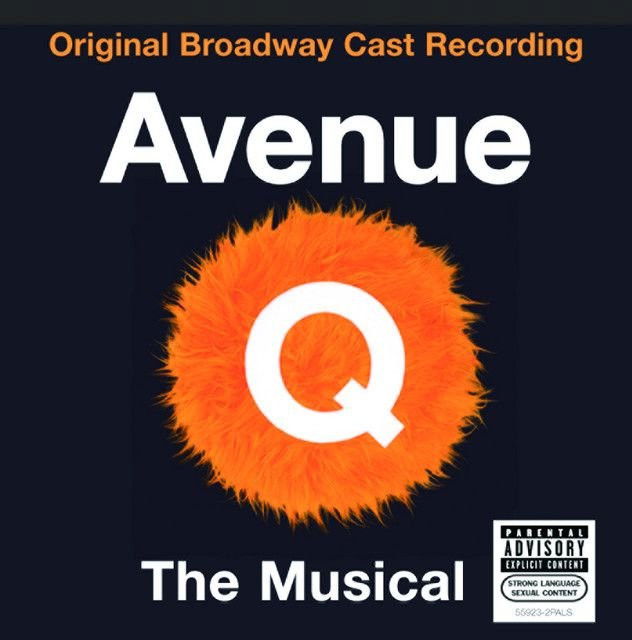
The meaning of Everyone's a Little Bit Racist John Tartaglia, Stephanie D'Abruzzo, Natalie Venetia Belcon, Jordan Gelber, Ann Harada starts with a risky idea: many people hold biases they do not like to admit. In Avenue Q, that idea is turned into a comic ensemble number, but the joke is not simply that prejudice exists. The deeper point is that ordinary people often hide behind politeness, denial, or technical language instead of facing what they assume about others.
"Everyone's a Little Bit Racist" - John Tartaglia, Stephanie D'Abruzzo, Natalie Venetia Belcon, Jordan Gelber, Ann Harada
Say, Kate, can I ask you a question?
KATE MONSTER
Loading lyrics...
Unable to load lyrics
We're unable to display the lyrics at this time. Please try again later.
Written by Robert Lopez and Jeff Marx for the Broadway musical Avenue Q, the song became one of the show's most talked-about numbers for exactly that reason. It is catchy, funny, and intentionally uncomfortable.
A Comedy Song With a Sharp Target
The scene begins with a small social mistake. One character asks whether two monsters are related because they are both monsters. That question sounds harmless to him, but it quickly reveals a lazy assumption about identity. The song then flips the situation back on him and shows that the offended character has biases too.
That setup matters because the song is not about one villain. It is about mutual hypocrisy. When the cast reaches the phrase everyone's a little bit racist
, they are not making a careful academic argument. They are staging a confession. The humor comes from how quickly each character goes from offended to guilty.

Watch the official Everyone's a Little Bit Racist
music video
What the Song Is Really Saying
At its core, the song argues that bias can live in everyday thoughts, jokes, and snap judgments. It insists that many people are not fully color-blind
, even if they want to think they are. In that sense, the lyric is pushing against self-congratulation.
Interpretation: The song suggests that admitting small prejudices is healthier than pretending to be morally pure. The characters believe honesty might help people talk more openly. That is why the number keeps returning to confession instead of punishment.
Still, the song also creates tension. It separates private prejudice from overt violence by saying bias does not automatically mean hate crimes
. That distinction is part of the satire, but it is also why some listeners find the song too easy on racism. They hear it as blurring the line between casual stereotyping and more serious forms of discrimination.
How the Verses Build the Point
Each verse follows the same comic pattern:
- Someone says something insensitive.
- That person gets called out.
- The accuser then reveals their own stereotype.
- The group expands the problem to society at large.
This structure is clever because it turns accusation into exposure. Nobody gets to keep the moral high ground for long. A line like you're a little bit racist
works because it keeps bouncing between characters instead of landing on just one target.
There is one short passage that captures the song's central move from individual denial to group admission:
If we all could just admit
That we are racist a little bit
Paraphrased, the cast argues that honest self-knowledge could reduce defensiveness. Whether that would truly solve much is another question, but that is the hopeful claim inside the joke.
The Sound Makes the Satire Catchier
Musically, the number is written like a bright Broadway comedy song. It moves quickly, uses punchy call-and-response exchanges, and builds toward a group singalong. That upbeat design matters. A darker arrangement would make the song feel like a lecture. Instead, the cheerful rhythm lowers the audience's guard.
The vocal performance is just as important. The cast delivers many lines with exaggerated innocence, as if they are shocked by their own bias while also enjoying the release of saying it out loud. That tension between chipper melody and uneasy subject is the engine of the song's satire.
Interpretation: The music is doing double work. It entertains, but it also shows how easily ugly ideas can hide inside friendly banter, jokes, and social charm.
Why the Song Still Divides People
Part of the song's staying power is that it can feel brave or glib depending on the listener. Some hear it as a useful critique of everyday prejudice. Others think it oversimplifies racism by treating all forms of bias as roughly equal.
Both responses make sense. The number is aimed more at interpersonal awkwardness than at systems, history, or power. It is strongest when exposing hypocrisy in casual conversation. It is weaker if listeners expect a deep account of structural racism. That limit does not erase the song's point, but it does shape it.
The Lasting Meaning of the Song
So what is the lasting meaning of "Everyone's a Little Bit Racist"? The song works as a mirror. It asks whether people are willing to examine the assumptions inside jokes, habits, and first impressions. It also warns that self-image can be misleading; the people most eager to call out prejudice may carry their own stereotypes too.
For many listeners, that is why the song still lands. It uses laughter to get past defensiveness, then leaves behind a more serious question: what should people do after the confession? The musical does not fully answer that. It only insists that denial is a bad place to start.
That is ultimately the meaning of Everyone's a Little Bit Racist John Tartaglia, Stephanie D'Abruzzo, Natalie Venetia Belcon, Jordan Gelber, Ann Harada: a satirical argument that ordinary bias is common, honesty is uncomfortable, and comedy can reveal truths people would rather soften.
Disclaimer: This interpretation is based on the lyrics, performance context, and the song's role in Avenue Q*. Meaning can vary by listener and production.*








