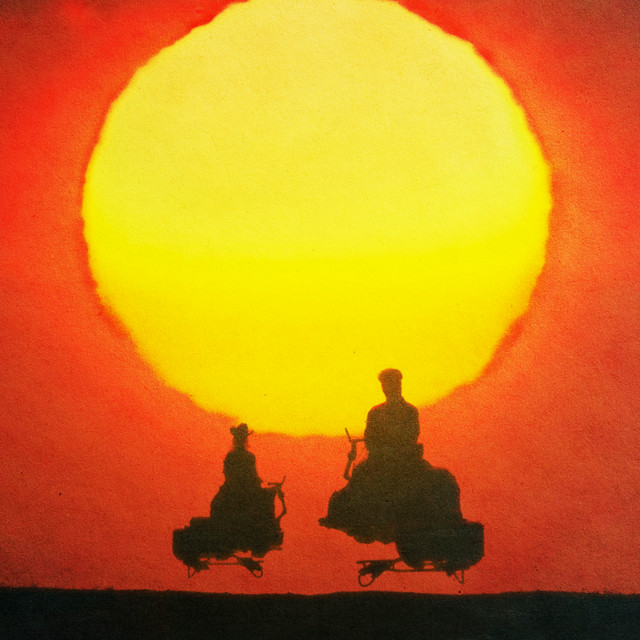
Daylight by joji, Diplo
They don’t fear the dark here—they fear the morning. Daylight is the reckoning hour, when last night’s numbness fades and truth returns. This guide unpacks the meaning of Daylight joji, Diplo by tracing how the lyrics, imagery, and production turn a sleepless night into a quiet admission of guilt.
"Daylight" - joji, Diplo
It's getting heated so I leave the windows open (leave the windows open)
Preoccupied with a late night B-roll
Loading lyrics...
Unable to load lyrics
We're unable to display the lyrics at this time. Please try again later.
Restless hearts under a bright sky
At its core, the song is about denial giving way to honesty. The narrator is up all night, wide awake
at half-past zero
, drifting through rooms and thoughts that won’t settle. They talk like someone who knows they messed up, but are not ready to face it.
Interpretation: Daylight becomes a metaphor for accountability. The night offers soft focus and excuses; morning is sharp and unforgiving. That’s why they try to stall sunrise, because dawn means dealing with the fallout of a relationship they may have broken.

Watch the official Daylight
music video
The voice we hear: raw, conflicted, human
The song is told in first person, and the tone swings between bravado and collapse. They confess, I've been a hero
and then, moments later, I'm in hell
. That split captures the inner argument: part of them wants to believe they did their best; another part sees the damage clearly.
Even solitude is double-edged. They insist that being alone can feel like relief—here alone is heaven
—yet every detail suggests they’re only postponing the hard talk daylight demands. This push and pull fuels the track’s emotional charge.
From midnight to sunrise: a simple, sharp timeline
- Night work and distraction: They keep busy with late-night tasks, a tell that they’re avoiding sleep and thought.
- Wandering confession: Empty hallways reflect an empty mood; self-blame keeps echoing back.
- Backyard blur: By morning they’re sun-drunk on a patio, still stuck in yesterday’s feelings.
- Radio haunt: A song on the FM becomes a screen to project at “someone,” proving the breakup is still the main character in their mind.
Each beat is everyday and cinematic at once, letting listeners slot their own nights into the story.
The chorus as confession, not release
The hook is the hinge of the song, where the metaphor turns literal:
Bad luck, I don't wanna be home at midnight Sun's up, I don't really wanna fight the daylight
They frame it as “bad luck,” but the truth pokes through: they don’t want to meet the morning head‑on. Interpretation: this isn’t just heartbreak—it’s the fear of accountability. The chorus repeats because denial repeats; the more they sing it, the more obvious it becomes that the day will still arrive.
Symbols, sound, and production choices that tell the story
Daylight vs. night: Night is anesthesia; day is clarity. Windows, hallways, and patios map a restless body to a restless mind. “Sun-dried” suggests emotional dehydration, while the radio cameo shows how pop music can mirror private pain.
The sound strengthens the metaphor. Diplo’s glossy bounce and Greg Kurstin’s pop craftsmanship build a bright, brisk frame that contradicts the ache in Joji’s vocal. That contrast is the point: pain often hides in plain sight, carried by melodies that sound like summer. Layered harmonies in the hook feel communal—like friends singing along—yet the lead remains lonely in the mix. Clean drums, chiming guitars, and a tight structure keep the track moving forward, just like time itself. No matter how the narrator stalls, the arrangement keeps pushing toward daylight.
Other ways to hear it (and why they fit)
Interpretation 1: Classic breakup fallout. The fight happened; they spiraled; dawn forces them to face the end. Evidence: the self-blame, radio avoidance, and the refusal to wake up to reality.
Interpretation 2: Burnout and public-life fatigue. “Daylight” could be the workday, press, or screens demanding presence. Hiding at night becomes a survival tactic; morning means performance. Evidence: the language of heroics and hell, and the craving for quiet.
Both readings hold because the song writes around specifics, letting imagery do the heavy lifting.
Final takeaway
Daylight is a pop mirage that flips the usual comfort of morning into a mirror. They can dodge the night, but not the truth. In that gap—between fear of dawn and the dawn itself—the song finds its sting.
Disclaimer: Song meanings are interpretive and may vary by listener and context.









