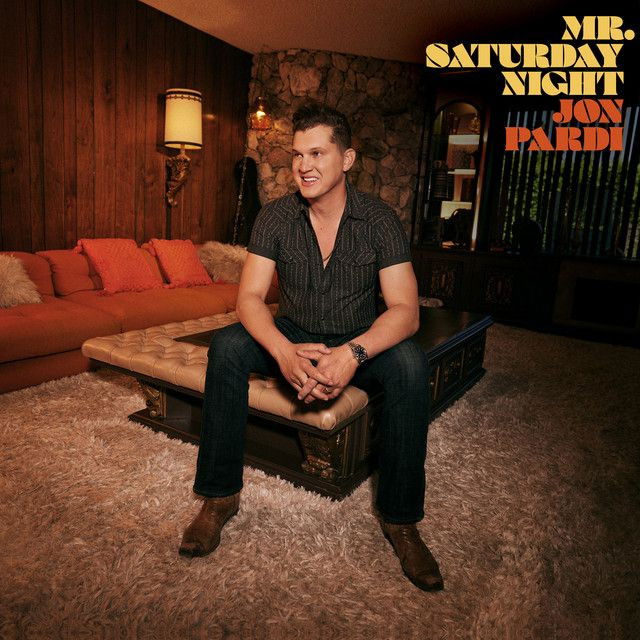
Why Jon Pardi’s ‘Mr. Saturday Night’ Hurts
The meaning of Mr. Saturday Night Jon Pardi starts with a clever split between image and truth. On the surface, the song introduces a man who seems built for the weekend: social, charming, and always ready for one more round. Under that bright barroom image, though, the song is about grief, regret, and the effort it takes to look okay in public.
"Mr. Saturday Night" - Jon Pardi
Mr. Always in
Mr. Never missed a good time
Loading lyrics...
Unable to load lyrics
We're unable to display the lyrics at this time. Please try again later.
Jon Pardi released “Mr. Saturday Night” as the title track to his 2022 album of the same name. Written by Benji Davis, Joe Ragosta, and Reid Isbell, the song turns a country nightlife character into a lonely narrator. It is catchy enough to sound like a party anthem, but the story says the opposite.
A Weekend Hero With a Private Wound
The central idea is simple: people in the bar think they know this man, but they only know his performance. He is introduced as Mr. Saturday night
and Mr. Always in
, labels that make him sound dependable in the most carefree way possible. He is the guy who never misses the fun.
Then the song undercuts that image. He drinks, flirts, and keeps moving so nobody notices the heartbreak underneath. When he says people have only seen him in a neon light
, the song draws a line between public glow and private darkness. The bar lighting becomes a symbol for partial truth.
Interpretation: the nickname is not a badge of pride. It is almost a mask he has been forced to wear after losing someone important.

Watch the official Mr. Saturday Night
music video
The Real Story Hiding Inside the Chorus
The chorus works because it repeats the public version first, then reveals the pain beneath it. The crowd sees confidence. They even envy him. But the narrator knows that his whole routine is built to distract himself from one person he cannot forget.
That is why the line about missing her hits so hard. The song does not present heartbreak as dramatic or poetic. It presents it as routine. Every Saturday, he puts on the same act. Every Sunday, he is left with the same emptiness.
Yeah, I turn it onBut all aloneI’m going out of my mind
This is the closest the song gets to dropping the mask completely. In a few words, it shows the gap between performance and reality. He can switch on charm in public, but isolation waits for him afterward.
Regret, Not Just Sadness
One reason the song feels more mature than a standard breakup track is that it includes blame. The narrator does not act like love simply disappeared. He admits he messed it up
and says he is the one responsible.
That detail matters. It changes the emotion from plain sadness to regret. He is not only mourning what is gone; he is living with the knowledge that he helped cause the loss. In country music, that kind of self-accusation often gives a song extra weight, because the pain is tied to memory and consequence.
How the Barroom Sound Supports the Meaning
Part of what makes “Mr. Saturday Night” effective is its production. The arrangement leans into Pardi’s modern-neotraditional style: bright rhythm, steady beat, and a honky-tonk-friendly feel that sounds built for crowded rooms and raised glasses. That musical energy mirrors the character’s social persona.
But that is also the trick. The lively sound does not cancel the sadness; it deepens it. A sad song that already sounds sad can be direct. A sad song dressed like a good time feels more human, because that is how many people actually cope.
Pardi has often worked within a country style that mixes classic instrumentation with modern polish, and this song uses that balance well. The hook is easy to sing, the groove is clean, and the vocal delivery keeps enough ache in it to stop the song from becoming a joke.
Why the Song Landed Beyond Country Radio
An interesting part of the song’s life came later. According to American Songwriter, “Mr. Saturday Night” found a delayed viral moment on TikTok, where users paired it with chaotic weekend clips and rowdy nightlife posts. That trend focused more on the party image than the heartbreak underneath.
That mismatch actually proves how well the song is written. It can function in two ways at once:
- as a fun weekend soundtrack
- as a breakup song about emotional cover-up
- as a character sketch of a man losing control in private
The viral trend caught the surface. The lyrics reveal the cost.
A Character Study in Country Form
At its core, this is a character song. Instead of giving abstract thoughts about heartbreak, it builds a person readers can picture: the regular at the bar, the smiling guy buying a round, the one everybody thinks is doing just fine.
Interpretation: the song suggests that public charisma can be its own kind of loneliness. The more convincing the act becomes, the less likely anyone is to ask what is really wrong.
That idea gives “Mr. Saturday Night” staying power. It is not only about missing an ex. It is about what happens when pain becomes part of someone’s identity, and when a crowd starts cheering for the version of them that hurts the most.
The Last Call Meaning
So, what is the meaning of Mr. Saturday Night Jon Pardi? It is the story of a man who hides regret inside ritual. He turns heartbreak into nightlife, and loneliness into a reputation. Everybody sees the weekend king; nobody sees the guilt and longing that built him.
That tension is why the song works so well. It is catchy without being shallow, sad without becoming heavy-handed, and specific enough to feel true.
Disclaimer: This interpretation is based on the released lyrics, recording, and publicly available context. As with any song, listeners may hear different meanings in its details.







