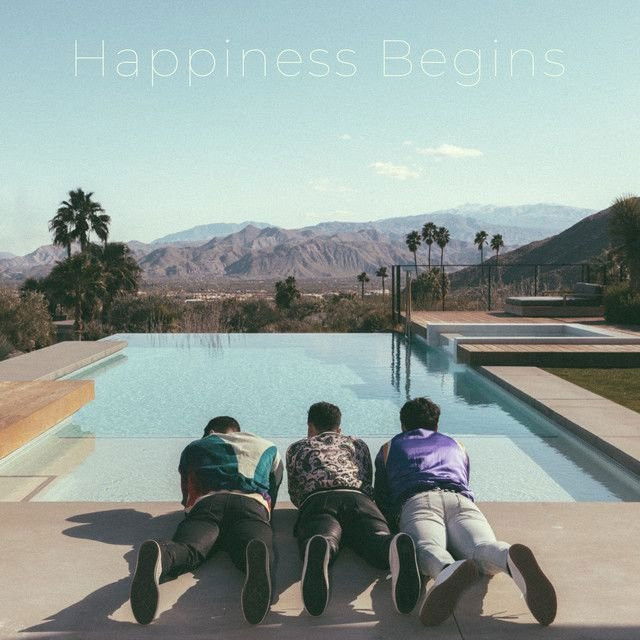
Comeback by Jonas Brothers
A Gentle Plea at the Center
The meaning of Comeback Jonas Brothers starts with a simple idea: they frame love as a two-way return. This is not a song about pride winning. It is about choosing connection over distance, even after hurt, fear, or separation.
"Comeback" - Jonas Brothers
You know the place that I go runnin' to
I get scared when you're scared but what else can I do?
Loading lyrics...
Unable to load lyrics
We're unable to display the lyrics at this time. Please try again later.
The key promise is mutual. When they sing come back to me
, they are not only asking someone else to return. They are also offering the same movement back. That turns the song from a demand into a vow. Instead of saying, "Fix this for me," they say they will meet the other person halfway.
That balance matters. The narrator sounds vulnerable, but not passive. They admit fear, they admit distance, and they still choose closeness. In plain terms, the song says love survives when both people are willing to turn around and try again.

Watch the official Comeback
music video
Who They Seem to Be Singing To
On the surface, this is a romantic song directed at a partner who has drifted away. The lyrics suggest a relationship under pressure, but not beyond repair. The repeated offer of return gives the song a tone of hope rather than defeat.
A few lines sharpen that feeling. When they mention the place that I go runnin' to
, they imply emotional refuge. The other person is not just a lover; they are also safety, home, and comfort. That adds warmth to the chorus.
Interpretation: Some listeners may also hear the song more broadly, as a message to anyone going through separation or emotional distance. Because the language stays simple and open, it can fit romance, family ties, or even friendship. Still, the most direct reading is intimate and romantic.
How the Verses Build the Theme
The verses are short, but they do important work. They show that the speaker understands fear in a shared way. When they say I get scared
, the song stops being only about longing and becomes about empathy. They are not just upset that someone left; they recognize that both people are carrying anxiety.
That emotional mirroring is one of the song's strongest ideas. Love here means feeling the other person's panic and still staying present. The line about getting lost too, if the other person is lost, pushes this even further. Rather than standing above the partner and offering rescue from a distance, they offer solidarity.
Wherever you are right now
I'll be on the way
Those lines, taken together, capture the song's emotional engine. The beloved may be far away, physically or emotionally, but the speaker is already moving toward reunion.
The Chorus Turns Need Into Commitment
The chorus is the heart of the song because it repeats one promise in several forms: if the other person returns, they will return too. That is why the hook feels reassuring instead of desperate.
The line I'll come back to you
is especially important. It suggests the speaker may have also withdrawn in some way. Maybe they became guarded, stubborn, or emotionally unavailable. So the song is not only asking forgiveness; it may also be offering accountability.
Interpretation: This is what makes the chorus feel mature. It is not a fantasy that love fixes itself. It is an agreement to re-enter the relationship fully. The word "comeback" in the title fits that emotional reset: not a victory lap, but a renewed effort.
Pride, Motion, and Light
Several images repeat across the track, and each one supports the song's bigger themes.
First, there is motion. They promise to be on the way
, which makes love sound active. Return is not just a feeling; it is something they do.
Second, there is pride. The lyric about being proud but willing to turn around shows the real obstacle. The problem may not be lack of love. It may be ego. By saying they will reverse course, the narrator treats humility as a form of devotion.
Third, there is light. When they say the other person can light up the world
, they describe them as energizing and life-giving. This is common pop imagery, but here it works because it explains why the return matters so much. The beloved changes the emotional climate.
How the Sound Supports the Meaning
"Comeback" works because its production stays warm and uncluttered. The melody is easy to follow, and the repeated hook gives the song a comforting, almost lullaby-like pull. Instead of dramatic anger or breakup theatrics, the arrangement leaves room for softness.
That choice matches the lyric. A louder, more explosive production might have made the song sound accusatory. Here, the smoother pop approach keeps the message tender. Their vocals also help sell the idea of reassurance. They do not sound like they are trying to overpower the listener; they sound like they are trying to reach someone.
Songwriting credits include Joe, Kevin, and Nick Jonas with James Alan Ghaleb and Sylvester Willy Sivertsen. In the broader story of the group, that matters. The Jonas Brothers reunited in 2019 after their 2013 split, and their comeback era brought major success, including Sucker debuting at No. 1 and Happiness Begins topping the charts. That reunion context does not prove the song is autobiographical, but it does make themes of return, repair, and renewed commitment feel especially resonant.
Why the Song Connects
Part of the appeal is how direct it is. The song does not hide behind clever puzzles. It speaks in plain emotional language about fear, loyalty, and trying again. That makes it easy for listeners to map onto their own lives.
It also avoids blame. Even when separation is painful, they focus on what they can offer: presence, humility, and return. That is often why songs like this last. They do not just describe heartbreak; they imagine what healing could sound like.
Final Take on the Meaning
The meaning of Comeback Jonas Brothers is about mutual return after emotional distance. It presents love as a decision to go back toward one another, even when pride and fear make that hard.
Interpretation: Listeners can hear it as a romantic reconciliation song first, with a wider message about loyalty and repair underneath. Either way, its power comes from the same place: they do not simply ask to be loved again; they promise to love back.
Disclaimer: This interpretation is based on the released lyrics, songwriting credits, production choices, and public career context. As with any song, meaning can vary from listener to listener.









