Used To Be by Jonas Brothers
A breakup song about love that has not fully left
The meaning of Used To Be Jonas Brothers centers on a breakup that is over in practice but still alive in memory. The narrator sees an ex building a new life, spending time with new people, and revisiting old shared spaces. That hurts not just because the romance ended, but because the emotional bond has become one-sided.
"Used To Be" - Jonas Brothers
And you take 'em all the places now that we been
But you used to be the one I love
Loading lyrics...
Unable to load lyrics
We're unable to display the lyrics at this time. Please try again later.
The key idea is simple: they are no longer together, yet one person still feels connected. The repeated hook around used to be the one I love
turns the whole song into a contrast between past certainty and present distance. It is not a dramatic revenge track. It is a wounded, clear-eyed song about realizing that love can linger after trust, closeness, and daily contact have faded.

Watch the official Used To Be
music video
Why this song fit the Jonas Brothers comeback
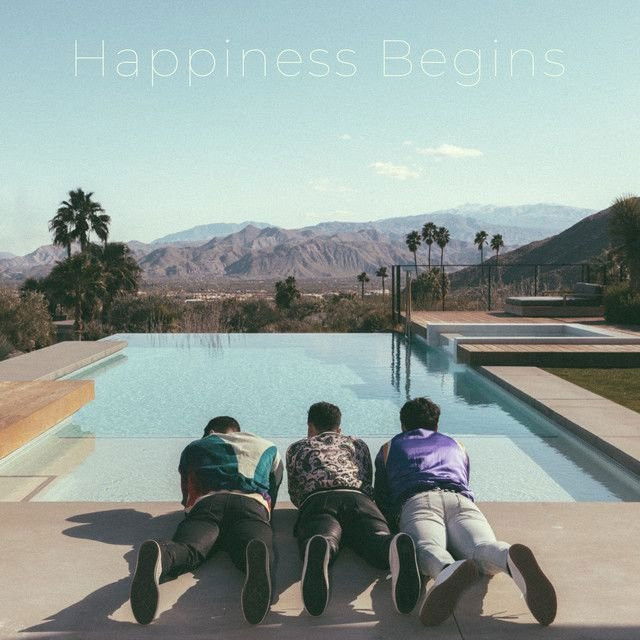
"Used To Be" appears on Happiness Begins, the Jonas Brothers' 2019 reunion album. The group reunited that year after years apart, and the album debuted at No. 1 on the Billboard 200, while comeback single "Sucker" debuted at No. 1 on the Hot 100, their first chart-topper. Those facts matter because the band returned with a more adult voice and more reflective emotional range.
The Jonas Brothers are a pop rock band made up of Kevin, Joe, and Nick Jonas, originally formed in 2005 and reunited in 2019 after their split, according to widely documented band history. In that setting, "Used To Be" feels like part of a mature chapter: less teenage crush, more emotional fallout.
Songwriting credits include Louis Bell, Nick Jonas, Ryan Tedder, Zachary Skelton, and Joe Jonas. That team helps explain why the song balances diary-like directness with a sleek, radio-friendly structure.
The emotional story moves from shock to reluctant acceptance
At the start, the narrator notices the ex spending time with new friends
and revisiting places they once shared. That detail is important. The pain is not abstract. It comes from watching old memories get reused in a new social world, which makes the breakup feel even more final.
Then the song adds another layer: the ex still checks in with casual conversation, asking how things have been. The narrator hears that contact as uneven and maybe selfish. They suggest they are still the person who will listen, even though the relationship is gone. That creates the song's central emotional tension: they are still available, but no longer chosen.
A short timeline inside the lyrics
- The relationship ends.
- The ex moves into a different circle.
- They still reach out now and then.
- The narrator remains emotionally open.
- Bitterness grows, but so does acceptance.
That is why the chorus lands so hard. It is not just nostalgia. It is the sound of someone naming a truth they do not like.
Small lines carry the biggest themes
Several lines sharpen the song's message without needing much explanation. When the narrator says Lately I don't even know ya
, they are not only saying the ex has changed. They are mourning the collapse of familiarity, which is often one of the hardest parts of a breakup.
Another sharp image is Too many devils on your shoulder
. Interpretation: this likely points to bad influences, self-destructive habits, or emotional baggage. The line avoids specifics, which makes it more relatable. Listeners can fill in whatever went wrong: outside pressure, poor choices, or a pattern of pushing love away.
The weather metaphor is even clearer. Cold feet turned into cold weather
suggests hesitation turning into a whole climate of distance. What starts as doubt becomes a lasting emotional season.
We had love, now it don't matter
You just thought you could do better
This is the song's most direct emotional accusation. The narrator believes the ex chose to leave in search of something better. But the next thought, So do better
, is more complex than it first appears. It sounds bitter, yet it also carries challenge, disappointment, and maybe a final act of release.
The chorus means more than simple nostalgia
The chorus repeats the past-tense idea again and again, and that repetition matters. Interpretation: the narrator may be using repetition to convince themselves that the relationship is truly over. Saying someone used to be
the one is a way of trying to redraw emotional boundaries.
At the same time, the song undercuts that effort. The narrator still says they want the ex happy and would come around if asked. So the chorus becomes a battle between logic and attachment. They know the role has changed, but their feelings have not fully caught up.
How the sound carries the meaning
Musically, "Used To Be" blends pop-rock polish with a restrained sadness. Instead of huge heartbreak theatrics, the production stays smooth and midtempo. That choice fits the lyric. This is not a breakup happening in real time; it is the aftermath, when pain settles into routine thought.
The drums and beat keep the track moving, almost like the narrator is trying to function normally. Layered vocals in the chorus make the memories feel bigger, while the clean production keeps the emotion from spilling over. Ryan Tedder and Louis Bell are both known for strong pop structure, and that craft shows in how easy the song is to sing even while its message stays bruised.
A few possible readings worth keeping in mind
One reading is straightforward: it is about an ex who moved on too quickly. Another is more subtle. Interpretation: the song may also be about emotional imbalance, where one person keeps acting like a safe landing place for someone who no longer offers real commitment.
There is also a pride-versus-devotion angle. The narrator sounds hurt, but they never fully shut the door. That makes the song believable. Many breakups are not clean. People often want distance and closeness at the same time.
Why the song still connects
The meaning of Used To Be Jonas Brothers lasts because it captures a common modern breakup feeling: watching someone become unfamiliar while still knowing exactly how to read them. It is about losing both a partner and a version of the future.
For listeners, that mix of care, resentment, and leftover loyalty is what gives the song its staying power. It is catchy, but its emotional core is uncomfortable in a truthful way.
Disclaimer: This interpretation is based on the released lyrics, performance, and public song context. As with any song, listeners may hear meanings that differ from the writer's original intent.









