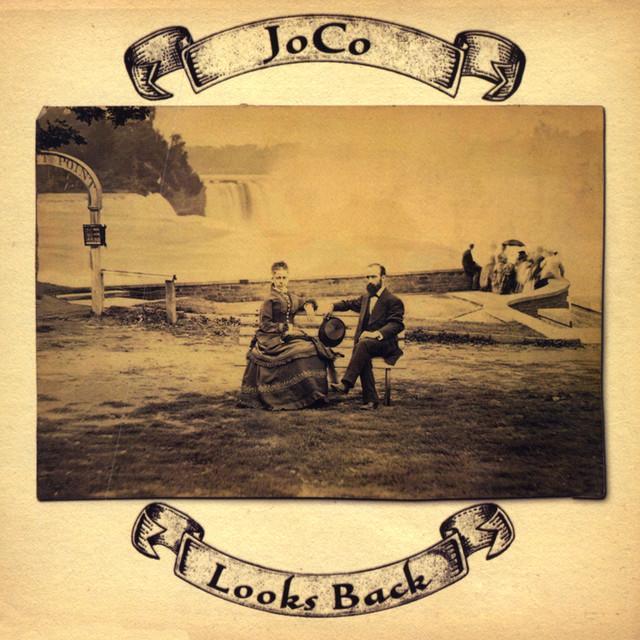
Baby Got Back by Jonathan Coulton
The meaning of Baby Got Back Jonathan Coulton starts with contrast. Sir Mix-a-Lot’s original 1992 hit is loud, funny, and provocative. Jonathan Coulton’s cover takes those same words and places them in a soft acoustic setting. That shift changes everything.
"Baby Got Back" - Jonathan Coulton
I like big butts and I cannot lie
You other brothers can't deny
Loading lyrics...
Unable to load lyrics
We're unable to display the lyrics at this time. Please try again later.
Instead of sounding like a club anthem, the song becomes a nervous, almost polite performance of very blunt desire. In that new frame, listeners hear not just a celebration of curves, but also the awkwardness, comedy, and objectification built into the lyric.
A Cover That Changes the Joke
Factually, the song itself was written by Anthony L. Ray, better known as Sir Mix-a-Lot, and released on Mack Daddy in 1992. It became one of his signature hits and a major pop-culture moment in the United States. Coulton later covered it in his own style, turning it into one of his most talked-about reinterpretations.
The key to the cover is arrangement. Coulton is known for acoustic, deadpan performances, and that matters here. When a line like I like big butts
is sung gently instead of shouted with swagger, the listener no longer hears just confidence. They may hear discomfort, irony, or even social commentary.

Watch the official Baby Got Back
music video
What the Song Is Really About
At its core, the song argues against narrow beauty standards. The narrator rejects magazine-approved thinness and praises fuller bodies instead. One of the clearest ideas arrives when the song pushes back on media messages that say flat butts are the thing
.
That is the most charitable reading, and it is supported by the lyrics. The narrator says mainstream culture has chosen one body type, and they openly prefer another. In that sense, the song works as a rebellion against fashion and beauty rules.
But there is another side. The song does not just praise women with curves; it also talks about them in a highly physical, reducing way. That tension is central to the meaning of Baby Got Back Jonathan Coulton. It is body-positive in one sense, while still being deeply objectifying in another.
Desire, Comedy, and Performance
The speaker is not subtle. They brag, react, and exaggerate. The whole lyric is built around attention, appetite, and comic shock. Even a famous phrase like LA face
paired with Oakland booty
reduces a person to a set of visual traits.
Interpretation: In the original, that exaggeration feels playful and boastful. In Coulton’s version, the same exaggeration can sound socially clumsy. That is why the cover often feels funnier, but also more critical. It exposes how ridiculous the speaker can seem when the party beat disappears.
How the Hook Shapes the Meaning
The chorus is simple and repetitive: Baby got back
. As a slogan, it is unforgettable. It turns the entire song into a blunt declaration of preference.
That repetition matters because it narrows the song’s focus. The women being described are rarely treated as full people. The hook keeps pulling everything back to one body part, one trait, one visual marker. In the original, that sounds like a chant. In the cover, it can sound almost uncomfortably obsessive.
What the Lyrics Push Against
The song spends a lot of time attacking media beauty ideals. It mocks magazines, workout culture, and the polished image of pop models. The narrator prefers bodies that feel real rather than manufactured, even dismissing silicone parts
as artificial.
This gives the song some cultural bite. In the early 1990s, mainstream American media often centered thin white beauty standards. Sir Mix-a-Lot’s song answered that with a celebration of fuller, often Black-coded beauty. That context helps explain why the original connected so strongly with many listeners.
Still, the language is not gentle or respectful. The song challenges one harmful standard, but it does so by turning women into spectacle. That mixed message is why the song can feel both progressive and dated at the same time.
Why Jonathan Coulton’s Version Lands Differently
Coulton’s cover changes the production from heavy, rhythmic, and public to intimate and private. Acoustic guitar, lighter vocals, and a calm delivery remove the original’s force. Without that force, the words are harder to take as pure hype.
Listeners are pushed to notice the mismatch between soft sound and explicit content. That mismatch creates irony. It also creates a stronger sense that the singer may be performing a character rather than speaking directly from the heart.
Interpretation: Coulton’s version can be heard as a commentary on the song itself. By singing it sweetly, they reveal how bizarre, funny, and uneasy the lyric becomes outside its original rap context.
Final Take: Celebration With a Catch
The meaning of Baby Got Back Jonathan Coulton is not just about attraction. It is about how arrangement changes interpretation. The original is a bold rejection of narrow beauty rules, but it also leans hard into objectification. Coulton’s cover keeps that tension intact and makes it easier to hear.
That is why the song still sparks discussion. It celebrates bodies that pop culture often ignored, yet it does so in a way that can flatten the people attached to those bodies. Coulton’s acoustic version does not solve that contradiction. It spotlights it.
Disclaimer: This interpretation is based on the lyrics, performance style, and public context of the song. Meaning can vary by listener.







