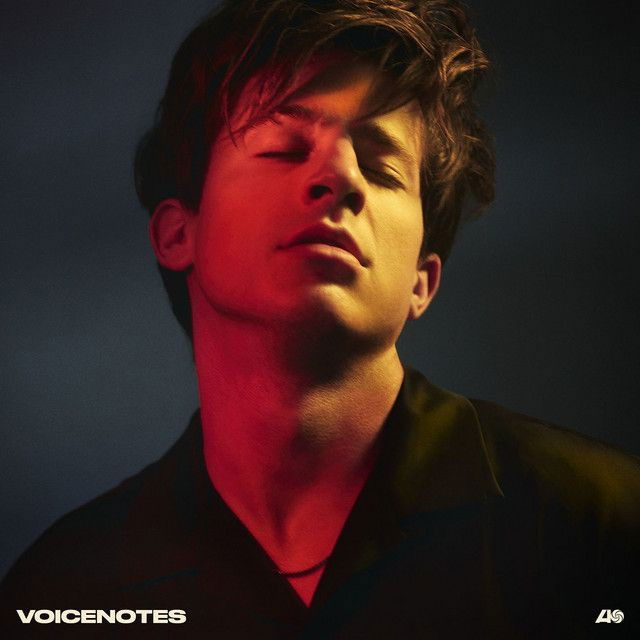
Attention by Charlie Puth
They didn’t just write a breakup song; they wrote a diagnosis. Charlie Puth’s hit turns a messy post‑relationship dynamic into a sharp pop study of power, jealousy, and emotional baiting.
"Attention" - Charlie Puth
You've been runnin' 'round, runnin' 'round, runnin' 'round
Throwin' that dirt all on my name
Loading lyrics...
Unable to load lyrics
We're unable to display the lyrics at this time. Please try again later.
A Pop Call‑Out About Validation, Not Love
The meaning of Attention Charlie Puth comes down to this: the narrator realizes the other person isn’t seeking love, only the rush of being chased. The song is a line‑in‑the‑sand after seeing patterns repeat. By naming the behavior, the narrator protects their self‑worth.
In simple terms, attention is the currency. The hook reframes romance as a tug‑of‑war for control, and the singer steps away from the game.

Watch the official Attention
music video
Who’s Talking, and Why It Stings
The story is told from first person, addressing a “you” who shows up looking flawless and calculated. Puth sketches motive with tiny details: the dress is karma
and the perfume regret
. Those two clues say a lot. The ex is performing remorse and allure at once, aiming to spark old memories and reel him back.
That push‑pull hurts because the narrator still feels the pull. The lyric admits vulnerability without surrendering to it, which is why the tone lands as clear‑eyed more than bitter.
What Actually Happens: From Parties to Power Plays
Here’s the short timeline:
- The ex keeps
runnin' 'round
Los Angeles parties, knowing he might be there. - They’re
throwin' that dirt
on his name, stirring drama that ensures contact. - Face to face, the narrator recognizes the tactic—jealousy bait, memory triggers, and mixed signals.
- He refuses to take them home, choosing boundaries over nostalgia.
- The coda’s looping question—
what are you doin'?
—mirrors the obsessive spiral these games create.
Each beat shows attention being used like a lever, not a bridge.
The Hook That Stings (And Why It Works)
You just want attention, You don't want my heart
Those two lines are the song’s thesis, delivered with a cool, almost detached bite. Instead of exploding, the chorus pulls back. That “anti‑drop” design makes the words hit harder: space in the mix highlights the accusation, and the bassline does the heavy lifting emotionally.
Symbols and Little Clues You Might Miss
The wardrobe and scent are signals, not scenery. The dress is karma
hints the ex is facing consequences and knows appearances alone won’t fix it. Perfume regret
layers memory over desire—how something beautiful can still carry a sting.
Another key phrase—someone new
—reveals the motive: jealousy. The idea of him moving on is the trigger. By refusing to play along, the narrator names the cycle and breaks it.
How the Groove Tells the Story
Attention is midtempo, built around a rubbery, front‑and‑center bass riff, crisp drums, and lean keys. Puth produced the track himself, and the choices are deliberate: an ‘80s‑leaning soft‑soul and funk tint, the anti‑drop chorus, and a vocal that glides from chest voice to falsetto without overselling the pain. The result feels sleek and slightly cold—matching a relationship defined by hot‑and‑cold behavior.
Musically, it sits around 100 BPM in a minor key, which gives the song a strut rather than a sprint. That strut mirrors the narrator’s poise: measured, not messy.
Beyond Gossip: Rollout, Vision, and Reception
The single arrived in 2017 as the lead to Voicenotes and quickly became one of Puth’s signature hits in the U.S. and abroad. Its success wasn’t just about a catchy hook; the rollout underscored the concept. Before release, Puth previewed the track in an immersive “Attention Room” installation that simulated the brain’s reaction to attention—tying marketing directly to theme.
On charts and radio, the song soared, peaking in the U.S. top five and dominating pop airplay. Critics praised the polished, bass‑driven groove as a sign of his maturing sound.
Alternate Lenses: Two Plausible Readings
- Interpretation: A breakup post‑mortem. The ex thrives on chasing and being chased. The singer recognizes the pattern and sets a boundary.
- Interpretation: A social‑media parable. In an era where likes and views substitute for intimacy, the song reads as a wider critique of attention‑seeking culture.
Both readings fit because the lyrics sketch behavior more than autobiography.
Takeaway: What Listeners Can Hold Onto
Attention endures because it gives language to a familiar feeling: when someone pulls you close only to keep you on a string. The track’s clean design and sharp thesis let listeners spot the pattern and choose self‑respect over the chase.
Disclaimer: Song meanings are interpretive and may differ from the artist’s intent.







