Why 'Just Like This Train' Still Cuts Deep
The meaning of Just Like This Train Joni Mitchell comes into focus when they hear how travel, jealousy, and self-mockery all move together. On the surface, the song watches a person riding a train and thinking about a failed romance. Under that surface, it is about what happens when love curdles into comparison, resentment, and wounded pride.
"Just Like This Train" - Joni Mitchell
Just like this train
Shaking into town
Loading lyrics...
Unable to load lyrics
We're unable to display the lyrics at this time. Please try again later.
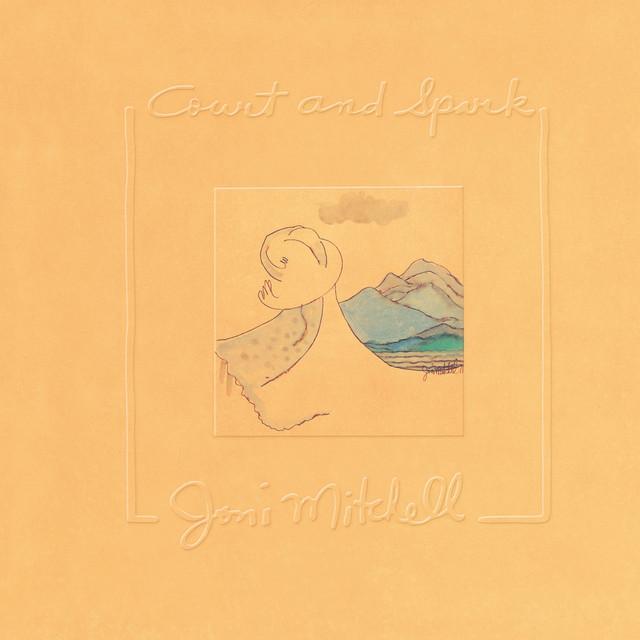
Joni Mitchell released the song on Court and Spark in 1974, an album widely seen as one of her finest and one that helped push her writing toward sleek pop and jazz-inflected arrangements. That broader context matters because the song sounds graceful even while its emotions are messy.
A Breakup Song Riding the Rails
At the center of the song is a narrator who feels out of step with life. Early on, they compare themselves to a train that is arriving late and noisily, with brakes complaining
. That image does a lot of work fast. It suggests fatigue, friction, and a public kind of emotional collapse.
Interpretation: the song is not just saying they are sad. It is saying they feel mechanically pushed forward while still carrying old damage.
The next key confession is about romance as accumulation. When the narrator says they once counted lovers like railroad cars
, the idea is less about joy than scorekeeping. Love had become something measurable, even competitive. Now they claim they no longer count on anything and simply let life slide, which sounds detached but not healed.

Watch the official Just Like This Train
music video
The Waiting Room Is a State of Mind
One of the smartest things in the song is how it turns a station into a picture of emotional limbo. The narrator notices strangers, luggage, candy, restless children, and tired adults. None of these details are random. They make the room feel crowded, yet lonely.
That matters for the meaning of Just Like This Train Joni Mitchell because the song keeps showing people in between places. The narrator is also in between states: between anger and acceptance, between self-pity and self-knowledge, between wanting love and mocking it.
Small Scenes, Big Feelings
The station master, the boxcars, and the waiting passengers all mirror inner noise. Everything is in motion, but nobody seems settled. The singer looks for a reason to keep going and finds only an empty seat
in a crowded room. That paradox captures the emotional core: they are surrounded by life but still isolated inside their own thoughts.
Jealousy as the Song's Sharpest Truth
The song states its most direct idea in the repeated warning that jealous lovin'
can make someone crazy. This is not presented as a noble form of passion. It is corrosive. It eats at judgment and identity.
When the narrator says they cannot find their goodness because they lost their heart, the song links heartbreak with moral and emotional confusion. In plain terms, they do not just miss someone. They do not like who they become when jealousy takes over.
Interpretation: this may be the song's deepest point. Mitchell seems less interested in blaming the ex than in exposing how romantic obsession distorts the self.
Wit, Spite, and the Sleeping Car
The final section shifts from public observation to private fantasy. The narrator settles into the train berth with wine, desert scenery, and the rhythm of travel. It sounds almost peaceful, until the mind returns to the ex.
Then comes the song's wicked little twist:
Watching your hairline recede
my vain darling
This is one of Mitchell's funniest and most revealing moments. The narrator imagines getting the last laugh through time itself. It is petty, human, and memorable.
But the song does not let that fantasy stand as victory. Right after the joke, the singer admits the bitterness is really sour grapes
. In other words, they know this revenge daydream is a defense against pain. That self-awareness keeps the song from becoming cruel.
How the Sound Supports the Meaning
Court and Spark marked a period when Mitchell's music embraced richer band textures and jazz-pop polish, as documented in album histories from Britannica and The Rock & Roll Hall of Fame. In this song, that smoothness matters.
The arrangement moves with an easy travel rhythm, suggesting wheels on tracks rather than emotional chaos. That contrast is important: the music glides while the narrator spirals. Their vocal delivery also helps sell the meaning. They sound observant, dry, and wounded at once, which lets humor and hurt live side by side.
Why the polished sound matters
If the song were harsher, it might feel like a simple rant. Instead, the elegant production creates distance. That distance lets listeners hear the narrator thinking in real time, catching themselves in jealousy, sarcasm, and regret.
A Clear Reading, With Room for Ambiguity
The most grounded reading is that this is a breakup song about how envy and possessiveness can poison memory. The train becomes a symbol of forward motion that does not instantly heal emotional damage.
A second, slightly broader reading is that the song critiques a culture of romantic counting and comparison. The line about tallying lovers hints that love can become status, and status can become emptiness.
Either way, the song lands because it is unsparing but not self-righteous. Mitchell gives the narrator vanity, humor, and insight all at once.
Why the Song Endures
The meaning of Just Like This Train Joni Mitchell lasts because it captures a feeling many people know but rarely describe so clearly: the moment when heartbreak turns mean, and they realize the meanness will not save them. The train keeps moving, the scenery keeps changing, and the bruised ego keeps talking.
That is why the song still feels alive. It understands that recovery is rarely graceful. Sometimes it sounds like steel wheels, restless thoughts, and one sharp joke used to cover a real wound.
Disclaimer: This interpretation is based on the song's lyrics, performance, and documented career context. As with most great songs, listeners may hear meanings that differ from this reading.







