Why 'People's Parties' Feels So Uncomfortable
The meaning of People's Parties Joni Mitchell comes into focus when they treat the song as more than a scene at a gathering. It is really a study of social performance: how stylish rooms can hide insecurity, how charm can turn into tears, and how self-awareness can feel like paralysis.
"People's Parties" - Joni Mitchell
They've got a lot of style
They've got stamps of many countries
Loading lyrics...
Unable to load lyrics
We're unable to display the lyrics at this time. Please try again later.
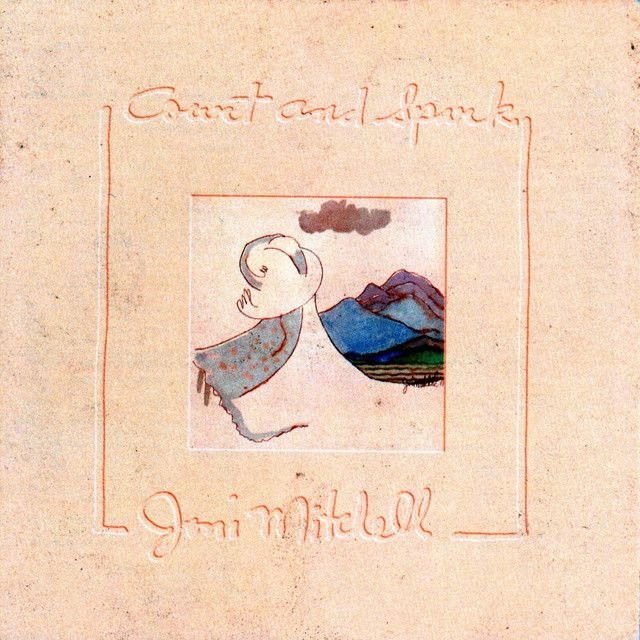
Joni Mitchell wrote the song and released it on Court and Spark in 1974, an album often described as a turning point toward a richer pop and jazz-influenced sound in her catalog. That broader context matters because the song is not just confessional folk; it is a sophisticated portrait of adult social life, with all its masks and private hurts.
A Party Song That Barely Feels Like a Party
On the surface, the lyrics describe a room full of impressive people. They have polish, travel stories, and what the song calls passport smiles
. That phrase suggests a kind of worldly confidence, but it also sounds practiced, almost like a social accessory.
Very quickly, the song reveals the cost of that polish. Some guests are warm, others are sharp, and some are present only to gain status. When Mitchell describes people giving to get something
, they turn the party into a marketplace of attention. The song’s emotional tension comes from this split between glamour and need.
Interpretation: The party stands for a whole social world, not just one event. It becomes a symbol for creative circles, celebrity spaces, and even everyday gatherings where people feel pressure to seem interesting, attractive, or unbothered.
Watch the official People's Parties
music video
The Characters Are Masks With Cracks
One of the song’s sharpest moves is how it sketches people in just a few images. “Photo Beauty” first appears as the center of attention, almost like a magazine image brought to life. But the glamour slips: makeup runs, the mood changes, and celebration turns to collapse.
Mitchell captures that emotional whiplash in the idea that laughing and crying can be the same release. The song does not mock this woman. Instead, it shows how thin the wall can be between performance and breakdown.
The same is true of the other figures. Eddie sits in self-doubt, Jack hides behind jokes, and Grace seems emotionally armored. These are quick portraits, but they all point to the same truth: people arrive with defenses.
The Deepest Wound Is the Narrator’s Own
The most important turn in the song is that the observer is not above the crowd. They are just as exposed as everyone else. The narrator admits to being in frightened silence
, feeling unable to decode the room or join it naturally.
That confession is what gives the song its sting. Instead of offering cool social commentary, Mitchell places the speaker inside the discomfort. They do not simply judge artificial behavior; they recognize their own fear, sensitivity, and confusion.
This reaches a peak when the narrator says, Can you wake me?
The line suggests emotional exhaustion, alienation, and a desire for help from someone wiser or steadier. It is one of the clearest signs that the song is not only about other people’s masks, but also about the speaker’s fragile inner state.
A Song About Sensitivity as Both Gift and Burden
Another key to the meaning of People's Parties Joni Mitchell is the song’s view of perception itself. The narrator notices everything: beauty, awkwardness, status games, pain, jokes used as shields. That sensitivity gives them insight, but it also leaves them overwhelmed.
When the speaker describes living on nerves and feelings
, the song frames emotion as both a source of truth and a source of instability. They can see beneath appearances, yet that vision does not make social life easier. It makes it harder.
Interpretation: The song may be asking whether strong feeling leads to wisdom or simply to overstimulation. Mitchell never fully resolves that question, which is why the song still feels so human.
How the Sound Carries the Meaning
The production helps the message land. Court and Spark is known for blending singer-songwriter intimacy with jazz-pop textures, and that musical world gives “People’s Parties” a poised but uneasy feel. The arrangement stays restrained rather than explosive, which fits a lyric built on observation and inner tension.
That restraint matters. A louder or more dramatic performance might have pushed the song toward satire or melodrama. Instead, the music leaves space for small emotional shifts, making each character sketch feel close and conversational.
Mitchell’s vocal delivery is also crucial. They sound alert, wounded, and thoughtful at once. That balance keeps the song from becoming cynical. Even at its most critical, it remains compassionate.
Why the Ending Matters So Much
By the end, the song turns toward a wish for humor, for the ability to keep sadness away and laugh things off. But this does not sound like a real solution. It sounds like something the narrator envies in others.
That is why the ending hurts. The speaker sees lightness as a kind of survival skill, yet they cannot quite access it. The repeated desire to laugh pain away feels less like triumph and more like longing.
The Lasting Meaning of “People’s Parties”
What makes this song endure is its honesty about social life. It understands that parties can be full of beauty and loneliness at the same time. It also understands that the person who notices everyone else’s mask is usually wearing one too.
For many listeners, the meaning of People's Parties Joni Mitchell is this: human beings perform confidence while quietly carrying sadness, and the most sensitive person in the room may be the one struggling most to belong.
Disclaimer: This interpretation is based on the song’s lyrics, musical context, and commonly discussed themes. Like all art, the song can support more than one valid reading.








