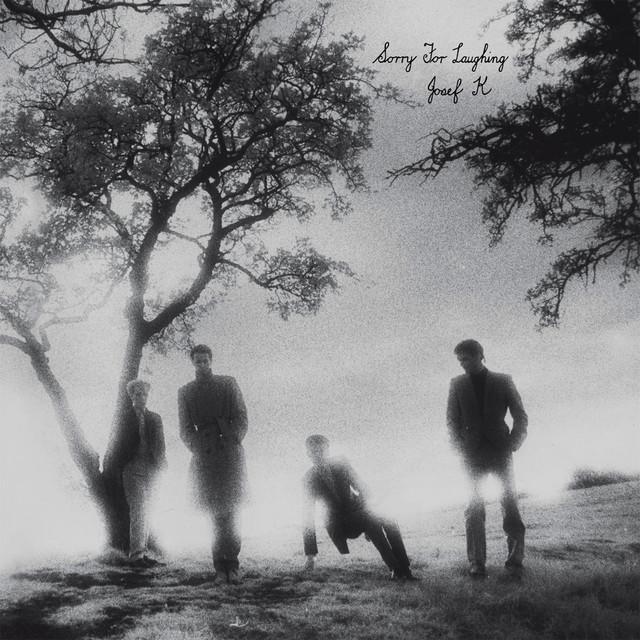
Why Josef K's "Sorry for Laughing" Still Stings
The meaning of Sorry for Laughing Josef K comes from a sharp contradiction: the song sounds nimble and cool, yet its words circle guilt, mockery, and emotional evasion. Josef K, the Edinburgh post-punk band active from 1979 to 1982, built a reputation on tense guitars and wiry rhythm, and this song is one of their clearest examples of that style working as emotional storytelling.[1]
"Sorry for Laughing" - Josef K
Why the angel stopped crying
When you sail on down the lane
Loading lyrics...
Unable to load lyrics
We're unable to display the lyrics at this time. Please try again later.
A Bright Sound Hiding a Mean Smile
On the surface, the track seems light on its feet. But the lyric keeps returning to apology. The hook, Sorry for laughing
, is not a full confession. It sounds more like a nervous shrug.
That matters because the song never presents laughter as pure joy. Instead, it feels social and weaponized. The speaker knows someone has been hurt or singled out, yet they soften the offense rather than truly owning it.
Interpretation: the song is about the way people excuse cruelty by calling it a joke. The repeated line There's too much happening
works like an alibi. Instead of saying, “I was wrong,” the speaker blames chaos, overstimulation, or the mood of the room.
Watch the official Sorry for Laughing
music video
Who They Seem to Be Addressing
The lyric reads like one person speaking to another who is different, vulnerable, or simply easy to tease. Early lines mention a happy smile
and a funny name
, which suggests the target is memorable and perhaps socially exposed.
The key line is not just the apology, but the excuse that follows. When the speaker says they do not mean what they say, they are trying to erase harm after the fact. That makes the song feel less like reconciliation and more like damage control.
The speaker is not reliable
Josef K often wrote with distance and irony, and that tone is all over this song. The speaker insists they are not being cruel, but the details suggest otherwise. Asking someone to perform or run around for amusement turns the other person into a spectacle.
Interpretation: the song may be showing how casual bullying sounds from the bully's side. They think they are playful. The listener hears something colder.
The Verses Turn Small Moments Into Social Drama
The writing is compact, but it hints at a larger story. One section looks backward, as if the speaker has only now understood why an earlier innocence ended. Another moves into town and suddenly introduces performance, status, and judgment.
The mention of Charles Atlas
is especially telling. Atlas was a famous bodybuilding icon, so the name brings in ideas of ideal strength, image, and public masculinity. In this context, the reference feels ironic. The song contrasts conventional strength with the odd, private bond of me and you
.
That contrast gives the track a social edge. Josef K were a post-punk band that often sounded anti-showbiz and anti-rock-star in attitude.[1] Here, the lyric seems skeptical of standard power, but it is also skeptical of its own speaker. Even outsiders can be petty.
What the Chorus Really Does
The chorus is short, catchy, and morally slippery:
Sorry for laughing
There's too much happening
That is the song's central trick. The first line sounds humane. The second line weakens it. The speaker apologizes, but then immediately explains the behavior away.
This is why the chorus lingers. It captures a familiar social habit: laughing first, thinking later, and then offering an apology that protects the self more than the other person.
How Josef K's Sound Sharpens the Meaning
Josef K fused post-punk guitar lines with rhythms touched by funk and disco, a combination noted in overviews of the band and their scene.[1] That style is crucial here. The music does not sink into self-pity. It keeps moving.
That motion makes the lyric harsher. If the song were slow and sad, the apology might seem sincere. Because the arrangement feels brisk and detached, the words land differently. The band sounds as if they are observing the moment from the side, not collapsing into it.
There is also useful context in the recording history. Josef K recorded an album titled Sorry for Laughing in 1981, but shelved it because they disliked its polished sound; Paul Haig later described it as flat and disinfected
.[1] That comment helps explain the band's aesthetic. They wanted friction, not comfort. A song like this needs tension in the performance because its whole subject is emotional evasiveness.
Why the Song Endures
Part of the reason this track lasts is that it never settles into one neat message. It can be heard in at least two ways:
- Interpretation 1: a portrait of someone masking cruelty with wit
- Interpretation 2: a portrait of nervous laughter and social panic
Both readings fit the text. The apology may be manipulative, or it may be the clumsy response of someone overwhelmed by awkward feeling. Either way, the song understands that laughter can wound.
Its afterlife also says something. "Sorry for Laughing" was later covered by Propaganda and Nouvelle Vague, which shows how well its tension survives across styles.[1] The song's core idea is flexible because the emotional situation is common and uncomfortable.
The Lasting Meaning in One Line
The meaning of Sorry for Laughing Josef K is less about humor than about failed empathy. It shows how easy it is to turn another person into a joke, then hide behind charm when the harm becomes obvious.
Josef K make that message hit harder by refusing melodrama. They keep the track lean, stylish, and restless. That coolness is exactly what makes the song sting.
Disclaimer: This interpretation is based on the lyrics, recording context, and documented history of Josef K. As with most post-punk songs, some ambiguity is part of the design.
Sources
[1] Josef K band history and discography, Wikipedia: https://en.wikipedia.org/wiki/Josef_K_(band)








