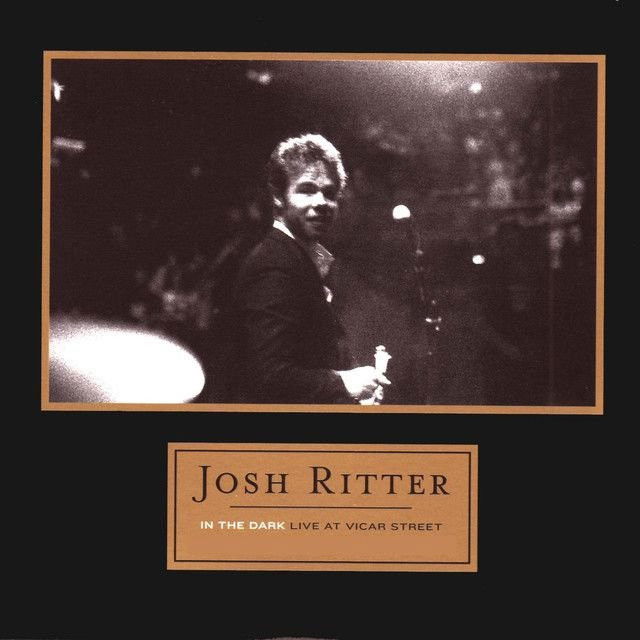
Good Man by Josh Ritter
The meaning of Good Man Josh Ritter centers on a simple promise made in a complicated world: love is not about grand speeches, but about showing up after fear, dry seasons, and close calls. Ritter builds that promise through road imagery, old-country warmth, and a chorus that sounds less like bragging than a vow.
"Good Man" - Josh Ritter
'Cause I believe that they're the good guys
We can use all the help we can
Loading lyrics...
Unable to load lyrics
We're unable to display the lyrics at this time. Please try again later.
A Love Song Built on Earned Trust
At first glance, the song sounds easygoing. It opens with music itself, with old chords and shared tunes, as if love begins in a room where two people are still learning how to harmonize. When Ritter mentions old
chords and says there are many minor chords outside
, he contrasts comfort with hardship.
That is the heart of the song. The outside world can feel tense, lonely, or off-key. Inside the relationship, though, there is still music, memory, and mutual help. The phrase we can use all the help
makes the romance feel grounded. They are not pretending life is easy. They are saying partnership matters because life is hard.
Watch the official Good Man
music video
How the Verses Turn Struggle Into Commitment
Each verse adds a new layer to that promise. Rather than telling one straight story, the song moves through snapshots.
Shared history, not fairy-tale perfection
The first verse frames the couple as people who have already lived through rough patches. They have songs they have kicked around
, which suggests a long history of shared habits and memories. Music becomes a symbol for the relationship itself: imperfect, reused, but still alive.
Then the chorus lands with dry spells
and hard times in bad lands
. Those lines matter because they reject fantasy. This is not a new crush. It is a relationship tested by lack, distance, or emotional drought. The narrator’s answer is direct: they are a good man for their partner.
A near accident sharpens the feeling
The second verse introduces a startling image: a horse in the road, a dangerous curve, and a moment when the driver nearly loses control. In plain terms, fear pushes the narrator back to what matters most. During that scare, their heart goes back to the person they love.
Interpretation: This section suggests that love becomes clearest when life feels fragile. The danger on the road is not only literal. It may also stand for the unstable turns adult life can take. Either way, the partner becomes the emotional center.
Why the Chorus Feels So Strong
The repeated line I'm a good man for ya
is the song’s core claim, but it is carefully framed. Ritter does not present the narrator as flawless, heroic, or larger than life. In fact, the verses keep reminding listeners how shaky life can be.
That contrast gives the chorus its power. The singer is not saying, “I am perfect.” They are saying, “I am here, I have been through things, and I choose you.” In that way, the hook sounds like a promise of reliability rather than ego.
Babe we both had dry spells
Hard times in bad lands
Those lines make the song emotionally believable. The love works because both people know struggle.
Western Images, Soft Heart
The third verse leans into movie imagery. There is a Western being filmed nearby, a man cornered in a canyon, and a horse taken out by a bad, bad man
. On paper, this sounds playful, even strange. But it fits the song’s larger idea.
Ritter uses Western symbols to explore masculinity. In many old Westerns, being a “good man” means being tough, armed, and accurate. Here, the narrator gently undercuts that myth. They admit, in effect, that they are not a great shot and probably worse than their partner. That self-awareness softens the song.
Interpretation: Ritter may be redefining what a “good man” is. Not a gunslinger, not a conqueror, but someone who invites another person to ride toward the sunset without pretending to control everything.
How the Sound Supports the Meaning
Josh Ritter is widely known as an American singer-songwriter whose writing often blends plainspoken language with literary and folk imagery, as noted in artist biographies and coverage such as AllMusic and Nonesuch. That context helps explain why “Good Man” feels both conversational and carefully crafted.
Musically, the song fits the singer-songwriter style named in the provided context. Its likely strength is balance: warm acoustic textures, a steady rhythm, and a melody built for communal singing rather than dramatic spectacle. Even without heavy production details, the lyric itself points to that design by focusing on chords, tunes, and sing-along feeling.
That matters because the arrangement likely supports the message of steadiness. A loose, rootsy sound would make the commitment feel lived-in. Instead of overwhelming the listener, the music probably carries them forward like an easy road, matching the promise at the center.
The Best Way to Read the Ending
By the final verse, the song reaches for a modest kind of hope. The couple may not hit every target. They may not master the landscape. But they can still climb on and head toward light together.
That final image turns the song into more than a romance. It becomes a statement about companionship. Love is not escape from hard times; it is the choice to travel through them with someone trustworthy.
Final takeaway
The meaning of Good Man Josh Ritter is about earned devotion. Through music imagery, close calls, and playful Western scenes, Ritter presents goodness as loyalty, humility, and presence.
That reading is an interpretation based on the lyrics and artist context, and listeners may hear the song differently.








