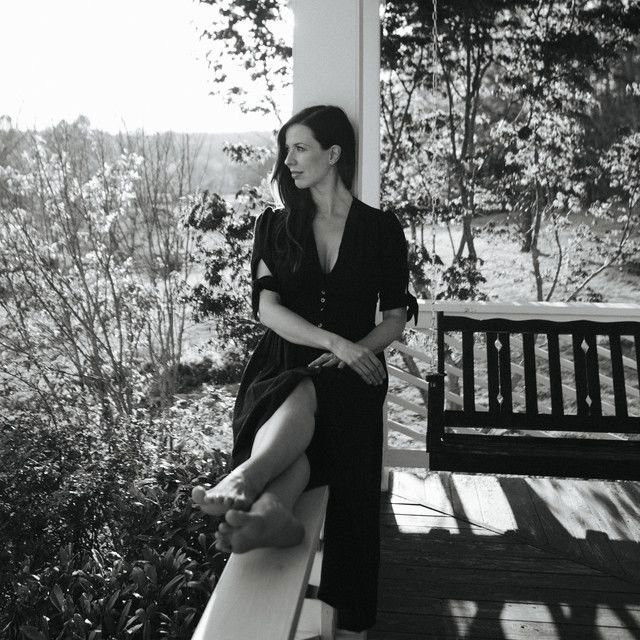
Why Joy Williams Makes Wanting Hurt
The meaning of The Trouble with Wanting Joy Williams comes down to one hard truth: desire can become its own kind of suffering. This is not a love song about fulfillment. It is a song about longing that stays alive even when the singer knows better, sees the boundary, and still cannot let go.
"The Trouble with Wanting" - Joy Williams
Wandering eye
Wondering what's gone wrong with me
Loading lyrics...
Unable to load lyrics
We're unable to display the lyrics at this time. Please try again later.
Joy Williams, known for solo work and for their years in The Civil Wars, often writes with sharp emotional focus. Here, they pair that gift with songwriter Natalie Hemby, creating a lyric that feels plain on the surface but emotionally tangled underneath.
A Heart Pulled in Two Directions
At its core, the song follows a speaker caught between self-control and obsession. Early lines describe someone unsteady, almost detached from themselves, using phrases like wandering soul
and wandering eye
. Those images suggest restlessness, but also a loss of direction.
They are not simply missing someone. They are trying and failing to manage that feeling. When the lyric says trying not to try
, it captures the strange effort of pretending not to care. That paradox matters because it shows the speaker is already losing the fight.
Interpretation: The song is less about romance in a happy sense and more about the psychology of craving. Wanting becomes exhausting because it asks the speaker to live in denial while still feeling everything.
Watch the official The Trouble with Wanting
music video
The Chorus Turns Desire Into the Problem
The song’s central idea arrives in the repeated refrain the trouble with wanting
. The title itself is revealing. The problem is not only the absent person. The problem is the act of wanting them so intensely.
That distinction gives the song its emotional power. Many breakup songs focus on betrayal or loneliness. This one focuses on dependence. The speaker knows the desire is constant, and the last phrase of the hook makes that clear: all the time
.
By repeating the chorus so often, the song mirrors obsession. The listener hears the same admission again and again, just as the speaker likely repeats it in their own mind. That structure is simple, but it is effective.
Small Images, Big Emotional Stakes
One reason the lyric works so well is its clean imagery. Instead of overexplaining the relationship, it uses a few symbols to show the speaker’s emotional state.
- Wind suggests instability and being pushed off course.
- The moon suggests something beautiful but unreachable.
- Fire suggests risk, temptation, and damage.
- Distance suggests emotional absence that still feels intimate.
When the singer says they cannot reach what is above and do not dare touch what burns, the point is clear without much detail: they want something they cannot safely have.
Later, the song sharpens that tension with the idea of hearing the person’s voice and living with the ache instead of the relationship itself. That is a painful compromise. Memory and fantasy become substitutes for real closeness.
The Line They Can See but Cannot Cross
Near the end, the lyric introduces a boundary. The speaker sees the person and also sees that line
. This is one of the song’s most important details.
Interpretation: That line could be emotional distance, another relationship, personal ethics, or the simple fact that the connection is no longer possible. The song does not define it, which makes the feeling more universal. Many listeners can hear their own version of the barrier.
How the Story Moves
Even without a detailed plot, the song has a clear emotional timeline:
- The speaker begins in confusion and self-questioning.
- They admit desire has made them unstable.
- They accept they may never truly have this person.
- They imagine continued absence and prepare a false calm.
- They end where they began: still wanting, still stuck.
That circular movement is the point. Nothing resolves. The song does not offer closure because the speaker does not have any.
Why the Sound Matters Too
Joy Williams often leans into intimate performance, and this song benefits from that approach. Their vocal style tends to carry breath, strain, and restraint rather than huge theatrical release, a quality noted across coverage of their solo work by outlets like NPR and AllMusic.
That kind of delivery fits a song about private ache. A restrained arrangement can make longing feel more believable because it sounds lived-in, not exaggerated. Instead of exploding, the emotion sits in the room.
The co-write with Hemby also helps explain the balance between conversational lines and polished hook-writing. Hemby is widely recognized for emotionally direct songwriting, including work documented by the Nashville Songwriters Hall of Fame. Here, that directness keeps the message accessible while the repetition deepens the wound.
A Few Plausible Readings
There is more than one way to hear the song:
A song about unreturned love
This is the clearest reading. The person is absent, maybe gone for good, and the speaker cannot move on.
A song about forbidden desire
Because the lyric mentions a visible boundary, the relationship may be emotionally or morally off-limits.
A song about attachment itself
Interpretation: On a broader level, the song may be about how people keep feeding desire even when they know it will hurt them.
The Lasting Meaning
The meaning of The Trouble with Wanting Joy Williams is that longing can outlast logic. The song understands the embarrassing, painful fact that someone can know a relationship is out of reach and still want it with full force.
That honesty is what makes the track linger. It does not pretend love is noble just because it is intense. Sometimes wanting is simply the trouble.
Disclaimer: This article offers interpretation based on the lyrics, songwriting context, and available artist background. Meaning can vary from listener to listener.








