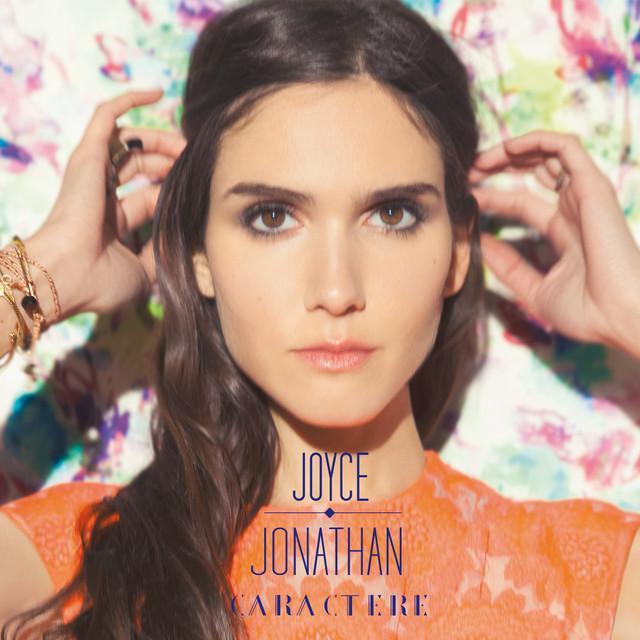
Why “Ça ira” Feels Like a Leap of Faith
The meaning of Ça ira Joyce Jonathan comes down to one simple but moving idea: love is not certain at first, but sometimes people choose faith before they have proof. In this song, they present romance as a mix of questions, fear, tenderness, and cautious hope.
"Ça ira" - Joyce Jonathan
Ce n'est pas juste pour mes jolis yeux
Dis moi qu'au delà de ça
Loading lyrics...
Unable to load lyrics
We're unable to display the lyrics at this time. Please try again later.
Rather than sounding dramatic, Joyce Jonathan keeps the feeling intimate. The speaker does not declare a perfect fairytale. They ask for reassurance, admit past hurt, and still decide to believe that, with time, this relationship may hold.
A Love Song Built on Questions
The verses begin with requests for honesty. The speaker wants to know whether this connection is deeper than attraction. When they ask for more than jolis yeux
, the idea is clear: they do not want to be loved only for surface beauty.
That detail matters because it frames the whole song. This is not about flirting for fun. It is about testing whether a bond can become real, stable, and shared.
They also imagine ordinary intimacy, not just passion. References to lazy mornings and a future together suggest that the romance is measured in daily life, not only in excitement. That makes the song feel mature even when it sounds light.
Watch the official Ça ira
music video
The Chorus Turns Doubt Into Trust
The emotional center arrives in the refrain. The speaker repeats c'est toi
, which signals recognition: out of all possible people, this is the one they want to choose.
Just as important, they ask forgiveness for doutes et mes colères
. That line shows self-awareness. They know they bring fear and mood swings into the relationship, and they hope patience can soften them.
The title phrase ça ira
carries the whole song. In everyday French, it means something like “it will be okay.” Here, it works as both comfort and decision. The relationship is not guaranteed, but they choose to say it can work anyway.
Who Is Speaking, and What Do They Fear?
The narrator speaks in the first person, but the emotional target is a partner who seems gentle and serious. The song keeps turning toward that person for reassurance.
One revealing moment is the confession that they are ready to leave the past behind. That suggests previous disappointments or at least habits of emotional self-protection. The speaker even admits they used to enjoy charm and attention, but this time feels different.
Later, they say prenons des risques
. That phrase matters because it changes the song from observation to action. Love becomes a risk they knowingly accept.
Fear Hides Inside the Sweetness
The most striking twist is that they are not frightened by cruelty. They are frightened by kindness. The partner seems so tender, so promising, that happiness itself feels dangerous.
Interpretation: this may be the song's deepest idea. Sometimes the hardest thing is not surviving bad love; it is trusting good love when people are no longer used to it.
Small Images, Big Meaning
The song uses a few compact images to build its world:
- beauty versus sincerity
- mornings shared in private space
- silence understood without explanation
- memories stored away like keepsakes
The line about understanding silences is especially important. It suggests a relationship where words are not always necessary. That kind of emotional reading feels more intimate than grand declarations.
Another memorable image compares the partner's confidence to monuments. It gives them a larger-than-life presence, but the song quickly balances that with softness, especially in the way their gaze and touch are described. So the partner feels both impressive and safe.
How the Sound Supports the Meaning
Joyce Jonathan is known for a gentle French pop style shaped by acoustic textures and clear vocal delivery, a sound heard across her catalog and public artist profiles such as Spotify and Apple Music. That style suits this lyric perfectly.
In a song like this, soft instrumentation matters because the drama is internal. The melody likely does the work of reassurance, while the rhythm stays steady enough to mirror the phrase qui rythme mes bonheurs
. Even without oversized production, the song can feel full because the emotional motion comes from repetition and rising certainty.
Interpretation: the music's lightness keeps the lyrics from sounding needy. Instead, they come across as open-hearted and sincere.
Artist Context Matters Here
Joyce Jonathan emerged as a French singer-songwriter associated with intimate, melodic pop, and the lyrics provided list the songwriters as Joyce Jonathan and Fabien Nataf. That matters because the song fits a singer-songwriter tradition where emotional honesty is the main hook.
For U.S. listeners, the charm of the track may be how universal it feels despite the French language. The details are specific, but the emotional arc is familiar: wanting commitment, fearing disappointment, and hoping time will prove the feeling right.
So, What Is the Song Really Saying?
At its heart, the meaning of Ça ira Joyce Jonathan is about choosing hope while still feeling vulnerable. The speaker does not hide their insecurity. They bring it into the relationship and ask the other person to stay anyway.
That is why the song resonates. It understands that love often begins before certainty. People ask questions, imagine futures, fear loss, and still move closer. In that sense, ça ira
is not blind optimism. It is a quiet act of trust.
Final Thought
The song's real power is its balance. It sounds sweet, but it is not naive. It is romantic, yet grounded in hesitation and patience.
Disclaimer: This interpretation is based on the lyrics provided, general artist context, and musical cues. Song meaning can remain open, and different listeners may hear it differently.







