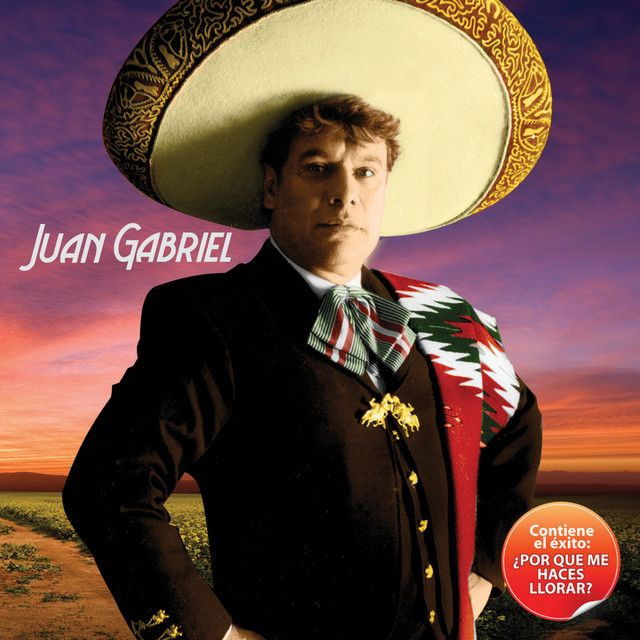
¿Por Qué Me Haces Llorar? by Juan Gabriel
They come to this classic looking for answers, and the meaning of ¿Por Qué Me Haces Llorar? Juan Gabriel delivers is direct: heartbreak can crack even the proudest voice. The song turns a simple question into an open wound and a confession.
"¿Por Qué Me Haces Llorar?" - Juan Gabriel
¿Qué no ves cómo te quiero?
¿Y para qué me haces sufrir?
Loading lyrics...
Unable to load lyrics
We're unable to display the lyrics at this time. Please try again later.
A Cry That Became a Classic
Juan Gabriel’s ballad sits at the crossroads of ranchera pride and raw vulnerability. The speaker can’t understand why a person they love would push them to tears, much less make fun of that pain. Across Latin America and the U.S., the song became a staple because it captures a familiar moment: when love feels less like comfort and more like humiliation.
Factual context: Juan Gabriel wrote the song under his birth name, Alberto Aguilera Valadez. He shaped it in the idiom he helped modernize—mariachi-driven ranchera with a bolero heart—where the stage is both confession booth and theater. That blend lets personal anguish sound universal.
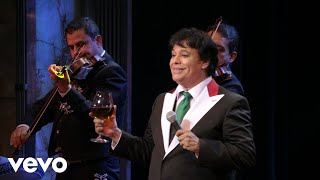
Watch the official ¿Por Qué Me Haces Llorar?
music video
What the Lyrics Confront: Pride vs. Pain
At the center is a wounded question, asked not once but as a refrain. The chorus frames the emotional stakes:
¿Por qué me haces llorar? y te burlas de mí
He’s not only hurt; he feels mocked. That mix of injury and shame fuels the song’s urgency. Each return to the question tightens the spiral—he can’t reason his way out of it, so he sings through it.
Who Speaks, and Who’s to Blame?
The narrator is self-possessed but cracking. When he says yo nunca había llorado
, he’s insisting on a past self built on control and toughness. He also adds no sé sufrir
, a striking admission that he’s unequipped for this kind of pain. The lover isn’t just leaving; they’re challenging his identity.
Interpretation: the song isn’t a simple accusation. It’s a crisis of masculinity and pride. In many rancheras, a man bears pain in silence; here, they expose it. That choice—naming the hurt out loud—becomes both rebellion and plea.
From Barstool to Ballad: Symbols Decoded
The bar becomes a stage. The vow me voy a emborrachar
isn’t only about alcohol; it’s about escape and display. When he adds que sepan que hoy tomé
, he wants witnesses. Heartbreak moves from private to public, flipping shame into a kind of power. By saying it’s all por ti
, he brands the pain with a name, as if accountability could bring closure.
Interpretation: drinking functions as armor. If the town sees he’s suffering, then he controls the story. That impulse—to narrate one’s own downfall—mirrors the song’s structure, where every repeat of the hook reclaims a little agency even as it admits defeat.
Why the Music Amplifies the Wound
The arrangement does heavy lifting. A swaying, bolero-ranchera tempo keeps the body moving while the heart stalls out. Mariachi trumpets answer the vocal like a second narrator, bright yet aching. Vihuela and guitarrón give a pulse that feels like someone pacing the room. Strings swell at key pleas, widening the space around the question so it echoes.
Juan Gabriel’s delivery is theatrical but close-miked, a signature mix that earned him the nickname “El Divo de Juárez.” He leans into sustained notes on the question, then softens on the self-portrait lines. That push-pull in dynamics mirrors self-protection vs. exposure. Production-wise, clarity rules—little clutter, so every syllable lands.
Cultural Echoes and Artist Context
Juan Gabriel understood how to turn personal drama into community ritual. In concerts, this song often became a singalong, an unmasking shared by thousands. The writing credit to Alberto Aguilera Valadez highlights how personal this is; it reads like a page torn from a diary and staged with mariachi splendor.
The track also fits a lineage where ranchera protagonists vow to drink, curse pride, and keep singing. But Juan Gabriel tweaks the tradition by spotlighting humiliation—being laughed at. That emotional angle explains why it travels so well across borders and generations.
Alternate Readings That Still Ring True
- Interpretation: The “mockery” might be imagined. The lover may be distant, not cruel, and the narrator projects scorn to justify his own unraveling.
- Interpretation: The public drinking is a cry for help. He wants to be seen so someone will stop him, not because he’s proud of the fall.
Each reading keeps the same core: love has pushed them past their coping skills, and the song becomes both witness and medicine.
Takeaway: The Hurt That Teaches
The meaning of ¿Por Qué Me Haces Llorar? Juan Gabriel leaves is simple and sharp: when pride meets heartbreak, honesty is the only bridge. They can’t outdrink the ache, but by voicing it, they reclaim a measure of self.
Disclaimer: Song meanings are interpretive. This analysis reflects one informed reading; listeners may reasonably hear it differently.







