Trial By Fire by Judas Priest
Heavy metal lifers don’t mince words, and Judas Priest turn accusation into an anthem here. Across tight, mid-tempo riffs and a towering hook, they craft a story of betrayal, shame, and grit. The meaning of Trial By Fire Judas Priest fans hear most clearly is simple: innocence under siege, character proved in the heat.
"Trial By Fire" - Judas Priest
Didn't know my name
No one understood
Loading lyrics...
Unable to load lyrics
We're unable to display the lyrics at this time. Please try again later.
Verdict Without Mercy: What This Song Is Really Saying
At its core, the track is about being condemned before being heard. Early lines like Shot down in cold blood
frame a rush to judgment. The speaker refuses the role of victim, insisting on truth even as they’re punished.
Interpretation: The “trial” isn’t only legal. It’s the public eye, the court of lovers, friends, or institutions that brand people long before facts arrive. The repeated title works as a mantra of survival.
Who’s Talking, and Who’s to Blame?
The narrator speaks in first person to a betrayer who hid behind your veil
. That image suggests secrecy or a mask—someone shielding themselves while letting the speaker take the fall.
We also hear the sting of humiliation: played me for a fool
and hang me out to dry
. Together, they paint a power imbalance where one side manipulates and the other endures.
Committed no crime In my innocence I have endured trial by fire
Those lines turn the song into a pledge: the speaker won’t confess to something they didn’t do.
What Happens: A Quick Timeline of the Fallout
- Ambush and confusion: they’re attacked before anyone knows their name.
- A setup: a trap is sprung; rules are “broken,” but the frame-up implies entrapment.
- A vow and a breach: a “holy” promise is made—then crossed. Trust severs.
- The chorus’ judgment: labels like “liar” and “abused” become the brand.
- Final stance: the speaker seeks a “miracle,” but commits to endure.
Interpretation: The broken vow echoes intimate betrayal—marriage, loyalty, or a sworn promise. It doubles as a social commentary on how fast reputations burn.
Symbols That Burn Bright
- Fire: A crucible. It hurts, but it purifies. The speaker believes truth will survive the blaze.
- Branding/whipping imagery: The marks of public shaming—visible scars you’re forced to carry.
- The veil: Concealment and deception, the accuser’s cover.
- The trap: Pre-meditation; a rigged game the narrator must play through.
These motifs turn personal pain into universal stakes—anyone misjudged can feel this heat.
How the Sound Proves the Case
Judas Priest set a firm, mid-tempo chug with Scott Travis’ precise kick and tom punches, mirroring the weight of accusation. Glenn Tipton and Richie Faulkner weave twin-guitar harmonies, then break into a lyrical solo that feels like a cry for vindication. Ian Hill’s bass anchors the groove, letting Rob Halford soar.
Halford’s delivery shifts from restrained verse to a cutting, high-register chorus. The repeated title lands like a judge’s gavel, each hit tightening the verdict. Production emphasizes clarity: guitars are crisp, vocals forward, drums articulate—fitting for a song about being heard at last.
Where It Sits in Priest’s 50-Year Fire
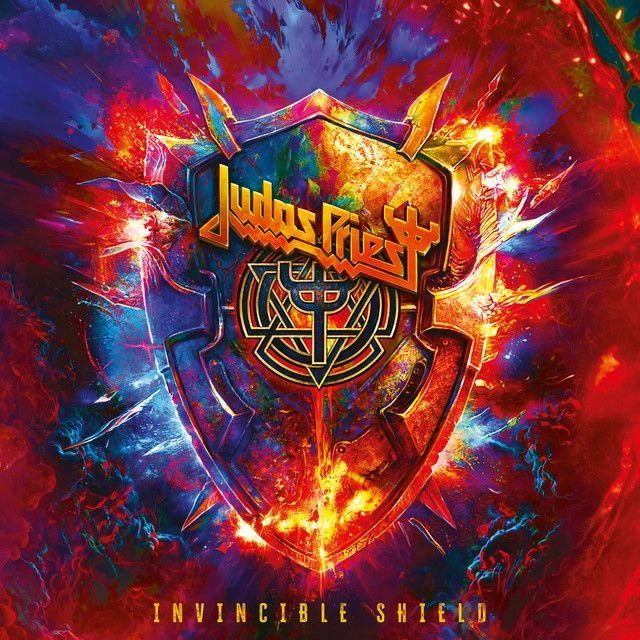
Released as part of Invincible Shield, the track arrives in the band’s sixth decade, sharpening themes they’ve carried for years: resilience, justice, and moral steel. That longevity adds bite—the voice insisting on innocence is the same band that’s outlasted trends, proving itself again under pressure.
Alternate Readings Worth Considering
- Interpretation: A relationship court. The “holy vow” points to a partner’s betrayal; the song becomes a breakup trial where gossip and gaslighting set the rules.
- Interpretation: Institutional injustice. Phrases about being
branded a liar
and falsely accused evoke scapegoating—by employers, media, or courts. The track then reads as a modern protest against rushed condemnation.
Both readings fit because the language stays archetypal. Priest write with symbols, not specifics, inviting listeners to map their own trials.
Why the Chorus Sticks in Your Head
The hook condenses the whole story into one iron phrase: trial by fire
. Musically, the lift and repetition give closure after each verse’s turmoil. Emotionally, it promises purification—if they can stand the heat, truth returns.
Takeaway for First-Time Listeners
If you’re new to Judas Priest, this is a masterclass in economy. Big theme, tight structure, memorable riff, cathartic chorus. The meaning of Trial By Fire Judas Priest craft here is resilience under accusation—a fight to keep your name intact.
Disclaimer: Meaning is interpretive. This analysis reflects thematic readings of the officially released recording and lyrics, not an authorized statement from the artists.









