Why 'My Favorite Things' Still Comforts Us
The meaning of My Favorite Things Julie Andrews version is deeper than its cozy surface. On first listen, it sounds like a simple list of pleasant images. But in The Sound of Music, the song works as a lesson in how to face fear.
"My Favorite Things" - Julie Andrews
And whiskers on kittens
Bright copper kettles and warm woolen mittens
Loading lyrics...
Unable to load lyrics
We're unable to display the lyrics at this time. Please try again later.
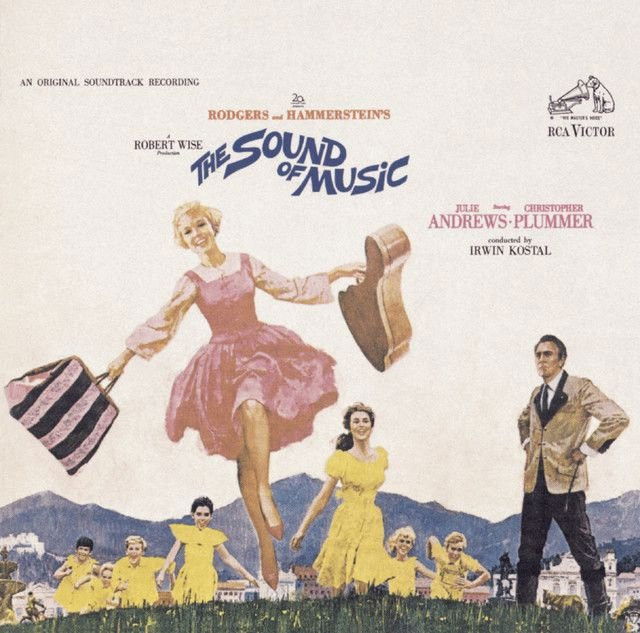
Julie Andrews sings it as Maria in the 1965 film, and that context matters. According to Songfacts, the movie places the song during a thunderstorm, when Maria comforts the von Trapp children. That scene turns the song from a pretty tune into a strategy for emotional survival.
A Comfort Song Hiding in Plain Sight
Factually, the song was written by Richard Rodgers and Oscar Hammerstein II for The Sound of Music, which debuted on Broadway in 1959 before the 1965 film adaptation starring Andrews. Songfacts also notes that the film won five Oscars and helped fix this version of the song in popular memory.
What does that mean for listeners? It means the song is not really about objects. It is about mood control. The famous list begins with sensory details like raindrops on roses
and whiskers on kittens
. Those are not grand achievements or expensive prizes. They are small, concrete pleasures.
Interpretation: The song suggests that relief can start with attention. By naming gentle, familiar things, Maria creates a mental shelter. The idea is almost childlike, but not childish.

Watch the official My Favorite Things
music video
How the Lyrics Turn Fear Into Relief
The verses stack image upon image: food, weather, animals, clothing, bells, and seasons. Each detail is easy to picture. Julie Andrews once said, as quoted by Songfacts, that the lyrics were especially evocative because each one creates a clear picture.
That visual quality is central to the song's meaning. A line like brown paper packages
points to ordinary pleasures, not luxury. Another phrase, girls in white dresses
, brings in innocence and storybook beauty. These images are comforting because they feel touchable and real.
Then the song shifts. Instead of just listing nice things, it admits pain: when the dog bites
and when the bee stings
. In other words, the lyric does not deny that life hurts. It openly names distress.
When I'm feeling sad
I simply remember my favorite things
That is the heart of the song. It moves from image collection to emotional method. The list now has a purpose: to answer fear, discomfort, and sadness with memory and imagination.
Why the Music Matters So Much
One reason the song feels richer than a nursery rhyme is its musical design. Songfacts points out that much of the tune sits in a minor key and only releases into a brighter harmony at the end. That detail is crucial.
If the song were cheerful from start to finish, it might feel thin. Instead, the music carries a hint of unease even while the words describe comfort. That tension mirrors real life: people often try to calm themselves while still feeling afraid.
Interpretation: The arrangement tells the truth that the lyric only partly says. Maria is not living in perfect happiness. She is teaching the children how to move through a bad feeling. The brighter ending sounds like emotional release rather than blind optimism.
Maria's Voice, Andrews' Warmth
Julie Andrews' performance also shapes the song's meaning. They sing with clarity, control, and warmth, which makes the advice sound trustworthy rather than sugary. As Maria, Andrews blends authority with gentleness.
That matters because the character is not merely entertaining children. They are guiding them. The calm tone implies that fear can be managed, not erased. The performance is one reason the song still feels useful to listeners in the United States and beyond.
More Than a List of Cute Things
A common mistake is to treat the song as random whimsy. It is more structured than that. The images share a pattern:
- many are simple or inexpensive
- most are sensory and easy to imagine
- several connect to warmth, softness, or seasonal beauty
- all contrast with pain and anxiety
That pattern supports the main theme: comfort is often built from ordinary experience. The song does not reach for power. It reaches for attention, memory, and gratitude.
Why the Song Lives On in Culture
The song has lasted because its idea is flexible. Songfacts notes that it later became linked with Christmas playlists because of snow, bells, and winter imagery, even though it was not written as a holiday song. It also became famous far outside musical theater through covers, especially John Coltrane's 1961 version, which radically reworked the tune into a jazz landmark.
That history says something important. The emotional core survives even when the style changes. Whether sung sweetly by Andrews or stretched into a searching jazz performance, the song keeps returning to the same human need: finding steadiness inside uncertainty.
There is also a modern contrast. Songfacts mentions Ariana Grande's use of the melody in “7 Rings,” where favorite things become luxury goods. That rewrite works precisely because the original stands for modest pleasures. The old song values little comforts; the newer one tests what happens when comfort is measured by wealth.
The Lasting Meaning of 'My Favorite Things'
So, what is the meaning of My Favorite Things Julie Andrews made famous? It is a song about self-soothing through vivid memory. It teaches that the mind can answer fear by turning toward small beauties, familiar textures, and hopeful images.
Interpretation: Its genius is that it never claims pain disappears. It only says pain can lose some power when a person remembers what still feels good, warm, and alive.
That is why the song still resonates. It is not escapism alone. It is a gentle practice of resilience.
Disclaimer: This interpretation separates established production and historical facts from critical reading. Meaning can vary by listener and performance context.








