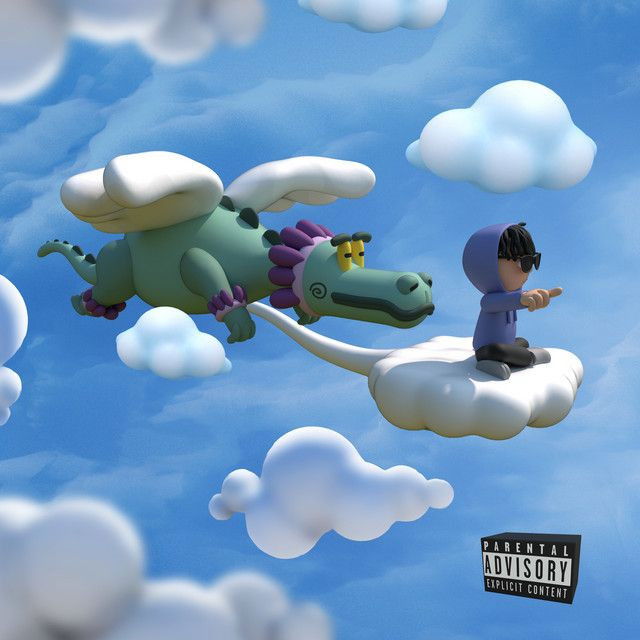
Why 'Dias Nublados' Hits So Hard
The meaning of Dias Nublados Junior H centers on breakup pain that does not fade when the relationship ends. Instead, it settles into the body, the room, and even the weather. The song turns grief into something physical: a sore back, a dark day, a home full of reminders.
"Dias Nublados" - Junior H
De cargar el peso
Y es que tus recuerdos me lastiman, ya no puedo
Loading lyrics...
Unable to load lyrics
We're unable to display the lyrics at this time. Please try again later.
Junior H, born Antonio Herrera Pérez, is one of the artists most associated with the rise of sad and melodic corridos, often called corridos tumbados in music coverage from outlets like Billboard and Rolling Stone. That context matters because this track fits his style: blunt emotion, simple details, and a vocal delivery that sounds tired rather than dramatic.
A Breakup That Feels Heavy Everywhere
At its core, the song is about carrying emotional weight after someone leaves. Early on, the narrator says their back hurts from carrying so much. That image is not just about stress; it suggests heartbreak has become a burden they can almost feel in their muscles.
Then the title image arrives: El día está nublado
. In plain terms, the day looks cloudy because the relationship is gone. The weather is a mirror for mood. Rather than saying “they are sad,” the song lets the sky say it for them.
This is why the song feels intimate so quickly. It stays close to ordinary details instead of big speeches. The memories hurt, the room feels changed, and daily life has lost its light.
Watch the official Dias Nublados
music video
The Smallest Detail May Be the Most Painful
One of the sharpest moments comes with Mi perro pregunta
. The line is easy to understand even for listeners who do not speak much Spanish: the absence is so obvious that even the dog seems to notice it.
That detail gives the song a domestic sadness. This is not only about romance in an abstract way. It is about routine, home, and shared space. The breakup has changed the little world they built together.
Interpretation: The dog line may also show how the narrator is projecting their own questions outward. They want to ask why the person left without saying goodbye, but instead that question gets placed onto the pet. That makes the pain feel softer and more human.
Pride, Hurt, and a Refusal to Beg
The song is sad, but it is not helpless. In the central refrain, the narrator says sorry for saying goodbye, then suggests the other person wanted Alguien más rogón
—someone more desperate, someone who would beg.
That matters because it changes the emotional balance of the track. The narrator is wounded, but they are also drawing a line. They may be suffering, yet they will not chase after someone who expected submission.
This tension leads to the song’s most interesting emotional move. When they say Ya es historia
, they are trying to force acceptance. The relationship is over. They repeat the idea almost like self-talk, as if saying it enough times might make it easier to believe.
Why the Chorus Sounds Bitter and Calm
The hook lands with Así me gustan los días nublados
. Taken literally, it sounds like they prefer cloudy days. But the deeper point is more conflicted.
Interpretation: The line does not mean they truly enjoy sadness. It suggests they have become so used to gloom that it now feels honest, maybe even safer than hope. After disappointment, bright promises can feel less believable than gray skies.
That is why the chorus works. It turns a simple weather image into emotional armor. If they claim to like cloudy days, then pain becomes something chosen rather than something suffered.
How the Story Moves
The song follows a clear emotional timeline:
- They describe the physical and emotional strain of memory.
- They connect the breakup to a darker world around them.
- They point to the lack of closure, especially in the home.
- They admit the ending, but reject the role of the beggar.
- They settle into a mood where sadness feels familiar.
That structure keeps the writing clean. It moves from hurt, to explanation, to self-protection.
Sound and Delivery Matter Too
A big part of the meaning of Dias Nublados Junior H comes from how Junior H sings these lines. His style often blends corrido structures with a softer, melodic approach that music publications have linked to the modern sad sierreño and corridos tumbados wave, covered broadly by NPR and Los Angeles Times.
Even without needing dense production facts, listeners can hear how the arrangement supports the lyrics. The song’s likely sparse guitar-led atmosphere, steady pacing, and restrained voice make the pain feel lived-in. It does not sound like a meltdown. It sounds like someone sitting with the aftermath.
That calmness is important. A louder performance might have made the song feel angry. Here, the restraint makes it feel lonelier.
A Final Reading of the Song
In the end, “Dias Nublados” is about more than missing an ex. It is about what happens when heartbreak changes the tone of everyday life. The body aches, the house feels different, and even the weather seems to cooperate with the loss.
Its smartest move is that it mixes sadness with pride. The narrator hurts deeply, but they still refuse to become the person who begs to be loved.
Finales felicesyo no estoy de acuerdo
Those brief lines capture the song’s worldview: hope has been damaged, maybe temporarily, maybe not.
Disclaimer: This interpretation is based on the lyrics provided, the song’s emotional cues, and Junior H’s broader artistic style. As with any song, listeners may hear a different meaning in the details.








