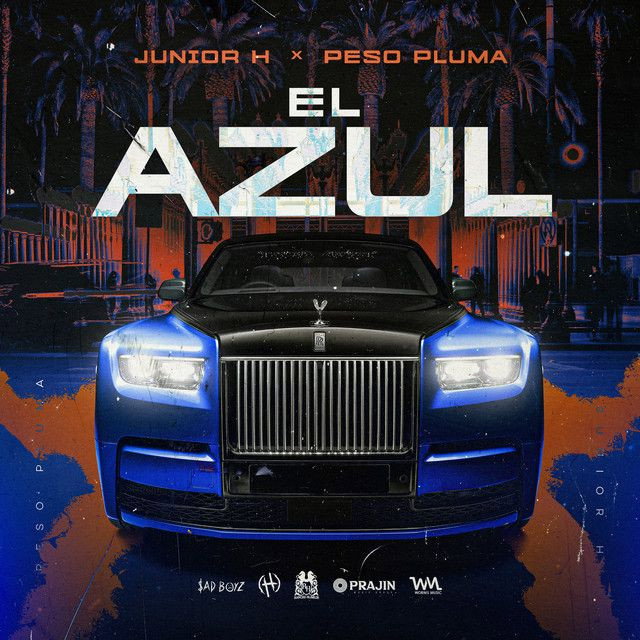
El Azul by Junior H, Peso Pluma
What is the meaning of El Azul Junior H, Peso Pluma? On the surface, it’s a swaggering corrido about a powerful figure in Mexico’s narco underworld. Underneath, it’s a confession: a narrator who boasts about status and protection while asking God to forgive what that life requires.
"El Azul" - Junior H, Peso Pluma
Puro P, doble P, viejo
Siga nomás pagando viejo
Loading lyrics...
Unable to load lyrics
We're unable to display the lyrics at this time. Please try again later.
A Ballad of Power and Shadows
Fact: “El Azul” arrived as a 2023 single and gave Junior H his first appearance on the Hot 100, peaking at #55. The track sits squarely in corridos tumbados—traditional corrido storytelling fused with modern, urban textures. It uses the classic corrido frame to map status, loyalty, and danger.
Interpretation: The title and imagery suggest the song pays tribute to a notorious figure nicknamed “El Azul.” The narrator never names names; instead, they signal identity through color, codes, and lifestyle. The mood is both triumphant and fatalistic.

Watch the official El Azul
music video
Who’s Talking, and What Do They Want?
The song is voiced in first person. The speaker flashes symbols of rank—like a Rolls-Royce azul
—and stresses tight alliances with siempre amafiado
. They also insist on a bajo perfil
, framing success as survival: stay low, move smart, be protected.
At the same time, faith is a shield. The line about a gorrita de Elegua
points to spiritual cover—Eleguá is a guardian figure in Afro-Caribbean religion. The narrator blends prayer with paranoia, masking fear behind bravado.
The Story Beats, Plain and Simple
- Status on display: luxury cars, guards, coded nicknames.
- A workday of risk: trafficking references and “security” underline the stakes.
- Spiritual negotiation: sin acknowledged, absolution sought.
- Legacy: nods to figures who are “never forgotten,” hinting at a wider network and history.
When the narrator says En la sangre traigo el 701
, it invokes a cartel-adjacent brand and legend. Interpretation: “701” is often associated with Joaquín Guzmán’s public image and mythmaking. Here, it works as shorthand for lineage and rank.
The Chorus’ Confession
The chorus pivots from boasts to remorse, turning the song into a prayer said through gritted teeth:
Y con el corridón del ángel azul Le pido perdón a mi Dios por los pecados
Interpretation: The “ángel azul” frames the ballad itself as a protective anthem for a blue‑coded figure. Asking God for forgiveness doesn’t cancel the life; it coexists with it. That push‑pull—sin and prayer—is the track’s moral core.
Symbols and Codes, Decoded
- Color blue: The nickname “El Azul” becomes a brand of power and discretion. Blue is cold, steady, and hard to pin down.
- Luxury machine:
Rolls-Royce azul
signals untouchable wealth. It’s both armor and billboard. - “701”: A compact way to invoke cartel lore and commercialized myth. The narrator claims it “in the blood,” suggesting origin and loyalty.
- “Devil’s horns”: The song mentions horns alongside armed security, blending satanic imagery and weapon slang. Interpretation: It dramatizes danger as both literal and spiritual.
- Eleguá cap:
gorrita de Elegua
indicates ritual protection at the crossroads—a plea for safe passage. - Fate:
bélicos morimos
(“we die as warriors”) accepts a violent end as identity. The message is stark: glory has a known price.
How the Sound Sells the Story
Junior H’s reedy baritone rides a mid‑tempo groove, close‑miked so every syllable feels personal. The arrangement leans on corrido staples—bright requinto, stout tuba, strummed guitar—while keeping the percussion tight and modern. Nothing is rushed; the relaxed pocket lets the lyrics do the heavy lifting.
Peso Pluma’s presence heightens the swagger. He adds grain and urgency, like a second witness raising the stakes. Together they balance calm control with a street‑level rasp, matching the theme of cool heads in a hot world.
Alternate Readings Worth Considering
- Interpretation: Social reportage. The song documents codes, brands, and rituals of power. Listeners can hear it as a snapshot rather than an endorsement.
- Interpretation: Myth‑making. By using color, cars, and numbers instead of names, it turns real figures into folklore—larger than life, untraceable, and seductive.
Both readings fit because the narrator is split: humble before God, defiant before rivals. The contradiction is the point.
Takeaway
The meaning of El Azul Junior H, Peso Pluma sits in tension. It is a sleek corrido about rank and ritual, but it’s also a sinner’s refrain. Boast, pray, repeat—and accept the cost.
Disclaimer: This interpretation is based on lyrical analysis, artist context, and public reporting. It should not be read as fact about real individuals or events.









