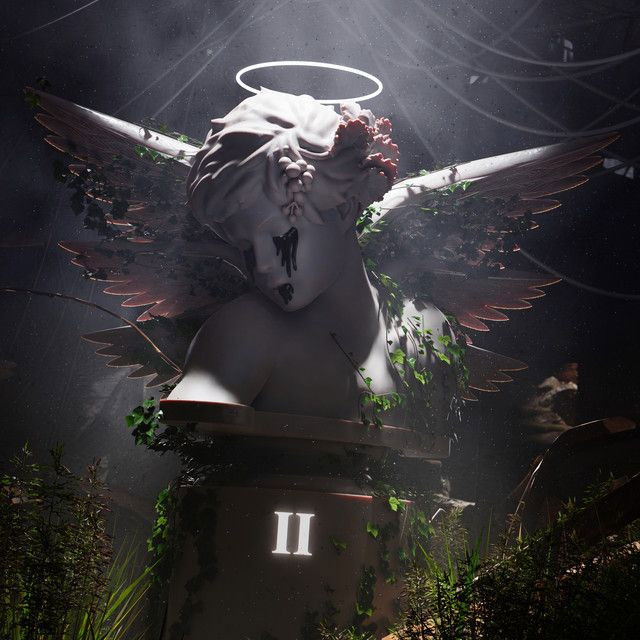
Junior H’s ‘ROCKSTAR’ Isn’t About Fame—It’s a Wound
They come to this track looking for swagger, but stay for the ache. The meaning of ROCKSTAR Junior H is less about celebrity than it is about how people dodge pain. The narrator leans on smoke, music, money, and movement to keep feelings at arm’s length, even when a connection is right in front of him.
"ROCKSTAR" - Junior H
Y no me dice nada si me ve con varias
Conmigo sabe nunca hay falla
Loading lyrics...
Unable to load lyrics
We're unable to display the lyrics at this time. Please try again later.
What This “Rockstar” Is Really Saying
At its core, the song is a confession wrapped in bravado. He calls himself a misfit—someone both celebrated and cursed—and the partner accepts that edge. In one blunt line—no creo en el amor
—he admits he doesn’t believe in love. That statement frames everything else.
Interpretation: he’s not asking for romance to save him. He’s asking for company while he runs from it.
Who’s Speaking, and Who’s Listening?
The narrator addresses a woman who knows his world and doesn’t scare easily. He paints himself as damaged but alluring: soy un niño triste, rockstar
. That contradiction—sad kid, star persona—creates the tension. She’s tough enough to handle his pace, and he relies on that toughness.
He also sets terms: fewer fights, more coping. The question ¿para qué pelea y discusiones?
isn’t a plea for peace; it’s a policy. He wants their bond without the weight of defining it.
The Story in Motion: Key Beats
- He names his flaws and her complicity, then proposes comfort over conflict.
- They replace conversations with vices—smoke, music, and the rush of riding out.
- He flashes tenderness (engraving her name) alongside detachment.
- Money and mobility become tools for numbing, not growth.
When he says las pacas son para gastarlas
, it isn’t just flexing stacks. It’s a worldview: money exists to burn through problems. And when he promises, si tú me llamas voy a verte
, it’s availability without accountability—he’ll show up, but won’t show all of himself.
The Hook’s Trade‑Off: Comfort Over Clarity
The hook argues that pleasure can replace conflict. Instead of long talks, they light up and put on songs. The repeated stance—no creo en el amor
—turns the chorus into a thesis: they’ll fix errors with experiences, not with emotional repair.
Interpretation: the refrain is a truce against intimacy. It keeps them close while keeping the truth vague.
Symbols on the Dashboard
Arriba del Rubicon
: The Rubicon evokes a rugged SUV and the idea of crossing a point of no return. Here it works as escape—if they keep driving, feelings can’t catch up.- “Chocolates y flores”: classic romance props, used more like band‑aids than commitments.
- “Superona”: likely his truck; carving her name onto it turns affection into branding—public, performative, and permanent, but not relational.
- “Pacas” and parties: cash and celebration function as painkillers. They generate heat, not healing.
Together, these images sketch a world where motion and display stand in for safety.
How the Sound Carries the Message
Junior H is a pillar of corridos tumbados—regional Mexican textures blended with urban attitude. The track leans into that fusion: a steady, melancholic guitar bed, mid‑tempo pulse, and vocals that sit close to the mic. The delivery is unhurried and slightly resigned, matching the lines where he shrugs at love.
Production choices favor intimacy over spectacle. There’s space in the mix, leaving room for his voice to land like a late‑night confession. When he leans into keywords—rockstar, love, Rubicon—the phrasing lifts, hinting at pride, then drops back into cool detachment. That dynamic arc mirrors the emotional seesaw between softness and avoidance.
Artist Context That Informs Meaning
Junior H is known for blending street realism with vulnerable admissions. He often writes about fast lifestyles, loyalty, and the cost of success. The credited writers here—Gael Leonardo Iñiguez Valenzuela (Junior H) and Jorge Jiménez Sánchez—continue that lane, balancing sweetness and sting.
Interpretation: ROCKSTAR fits into his broader catalog as a portrait of someone who can gift romance but won’t surrender control. It’s tenderness with terms and conditions.
Alternate Readings You Might Hear
- Self‑protection narrative: He refuses “love” because he equates it with loss. The trips, gifts, and drives are shields rather than sins.
- Power dynamic: He sets the rules and uses access (money, mobility) to keep the upper hand. The promise to show up is real, but it’s on his schedule.
Both readings rest on that repeated anchor—no creo en el amor
—which keeps the song’s sweetness bittersweet.
Takeaway
The meaning of ROCKSTAR Junior H lands here: being a “rockstar” is less about lights than about living fast enough to outrun vulnerability. The song knows the rush, but it also knows the cost—silence where hard talk should be. What lingers is the picture of two people choosing the ride over the risk of real love.
Disclaimer: Song interpretations reflect one reading of the lyrics and cultural context; listeners may reasonably hear different meanings.








