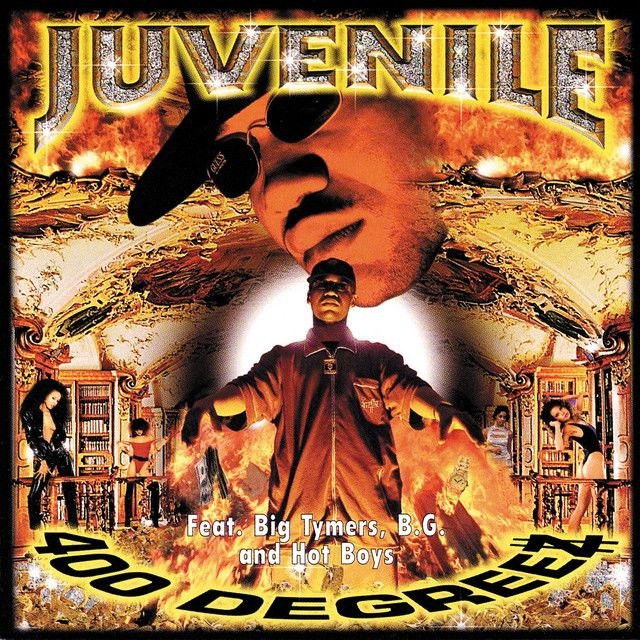
400 Degreez by Juvenile
Why This Track Still Burns
The meaning of 400 Degreez Juvenile starts with pressure. The song is not just a brag track, and it is not only a threat record either. It presents a world where status, danger, loyalty, and survival all sit in the same car.
"400 Degreez" - Juvenile
Ya see me I eat sleep shit and talk rap
Ya seen that 98 Mercedes on t.v. I bought that
Loading lyrics...
Unable to load lyrics
We're unable to display the lyrics at this time. Please try again later.
Released on Juvenile's 1998 album 400 Degreez, the song came from a record that helped push Cash Money and Southern rap into the national spotlight. The album was released on November 3, 1998, and was produced entirely by Mannie Fresh, facts widely documented in major reference coverage of the album's history and credits. That context matters because the title track acts like a mission statement for the larger project: hot in sound, hot in reputation, and hot in the sense of constant conflict.

Watch the official 400 Degreez
music video
The Core Meaning at the Center
At its heart, this song is about maintaining respect in an environment where weakness can get punished fast. Juvenile builds a speaker who measures life through reputation, retaliation, money, and neighborhood codes. When they boast about success, they also show how fragile that success feels.
That is why the song keeps moving between luxury and menace. A line about a car or TV visibility is never just about wealth. It says they have made it out enough to be seen, but being seen also brings envy, tests, and threats. In that sense, the heat in the title means fame, pressure, and violence all at once.
Interpretation: the track argues that in their world, public success raises the temperature. The more visible they become, the more they feel forced to defend name, crew, and territory.
How the Verses Build That World
Early in the song, Juvenile links rap success to street credibility. They mention buying things others saw on television, then quickly move to legal trouble and conflict. That jump is important. It suggests that success has not erased the past; it travels with them.
Short phrases like eat sleep shit and talk rap
and I bought that
show total identification with the hustle. They are not describing rap as a hobby. They present it as a full life system, almost a job and a survival plan at once.
Then the mood darkens. References to catching threats, dressing in all black
, and staying ready make the speaker sound constantly alert. The song does not describe peace as normal. Instead, it describes readiness as normal.
A Short Passage That Captures the Tension
Before this moment, Juvenile frames retaliation as part of self-protection. Then they compress the song's moral conflict into a few lines:
Only God knowswhat comes next
they cannot always do theright thing
survival may depend on being armed
This is not quoted as a full lyric passage from the song, but as a compressed paraphrase of the idea around that section. What matters is the contradiction: they admit moral uncertainty, yet still describe violent preparedness as necessary.
The Hook Turns Heat Into Identity
The repeated chant of Hot Boys
does more than name a crew. It turns the song into a group identity statement. Heat here means they are active, feared, stylish, and impossible to ignore.
Because the hook is so blunt, it works almost like branding. On a record that helped define Cash Money's late-1990s rise, that repetition matters. The title track becomes both a personal statement and a label-era slogan, tying Juvenile's individual voice to a larger movement in New Orleans rap.
New Orleans Codes, Not Generic Tough Talk
One reason the song lasts is that it feels local. Juvenile was strongly associated with New Orleans, especially the Magnolia Projects, and the 400 Degreez album is often described as deeply rooted in that city's slang, bounce feel, and neighborhood reality. The title track reflects that grounding.
References to the 'Nolia, to block-level conflict, and to local codes make the song more than a standard gangsta rap performance. It sounds like someone speaking from a specific social map. Even when listeners outside Louisiana did not catch every phrase, the conviction carried the meaning.
Interpretation: that partial opacity is part of the power. Juvenile does not flatten their voice to explain everything to outsiders. Instead, they make outsiders enter their world.
How Mannie Fresh's Production Supports the Meaning
Mannie Fresh's beat is a huge part of the song's message. Critics have often noted that the title track has a cinematic feel, even a spy-movie edge, and that makes sense when listening to its sharp, stalking energy. Rather than sounding warm or celebratory, the production feels sleek and watchful.
The drums hit with bounce roots, but the atmosphere is tenser than a party record. That matters because the beat mirrors the lyric theme: mobility, swagger, and danger moving together. Juvenile's loose, elastic flow sits on top of that rhythm in a way that sounds conversational and threatening at the same time.
Their delivery is key to the meaning of 400 Degreez Juvenile. They rarely sound like they are straining for effect. They sound calm inside chaos, which makes the threats and boasts feel more believable.
Why the Song Mattered in 1998 and After
The larger album reached No. 9 on the Billboard 200, hit No. 2 on the Top R&B/Hip-Hop Albums chart, and later earned 4x Platinum certification from the RIAA. Those numbers help explain why this song matters beyond its lyrics. 400 Degreez became one of the records that shifted mainstream rap's center of gravity toward the South.
So the title track can be heard as a declaration of arrival. Juvenile is not asking for recognition. They are announcing it with heat, style, and confrontation. The song says they are already here, and anyone who doubts that will feel the temperature.
Final Take on the Meaning
The meaning of 400 Degreez Juvenile is the feeling of living at a boil. The song mixes pride, paranoia, street law, and earned visibility into one hard-edged portrait. It is about success that never feels fully safe.
That is why the track still lands. It captures the thrill of being seen and the fear that comes with it, all in a voice that sounds local, lived-in, and fully certain of its own code.
Disclaimer: This interpretation is based on the song's lyrics, performance, production, and documented album context. Meaning can vary from listener to listener.







