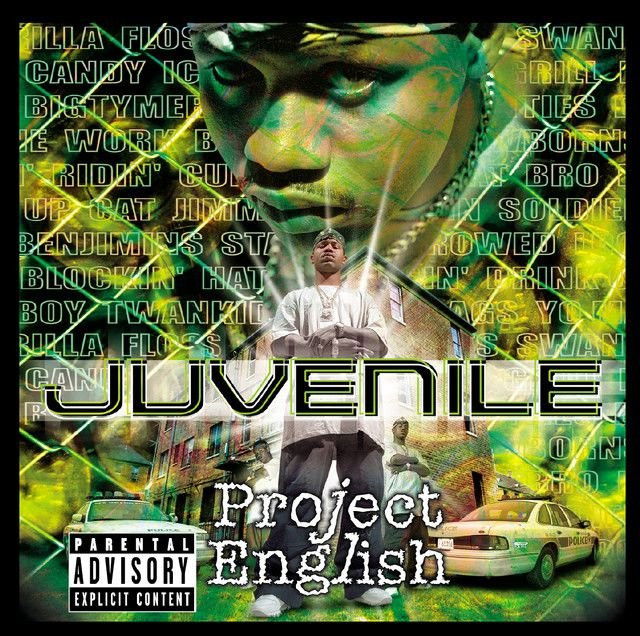
Set It Off by Juvenile
Why This Juvenile Anthem Still Hits
The meaning of Set It Off Juvenile starts with motion. The song is built like a command: get loud, get loose, and let the room erupt. But under that club-ready surface, Juvenile and the Cash Money circle present a harder picture of status, pressure, and neighborhood identity.
"Set It Off" - Juvenile
(Okay) Uh-huh (uh-huh) okay (mmhmm) uh-huh
(Mmhmm) Street mix (street mix)
Loading lyrics...
Unable to load lyrics
We're unable to display the lyrics at this time. Please try again later.
Factually, Set It Off
was released in 2001 as the lead single from Project English, and it was co-written and produced by Mannie Fresh, according to the available reference data. It also reached the Billboard charts, including the Hot 100 and rap charts. Those details help explain why the song landed as more than a local cut: it was a regional sound pushed into the national spotlight.

Watch the official Set It Off
music video
More Than a Party Starter
At first listen, the track sounds like a simple ignition point for the club. The chorus keeps circling back to set it off
, which frames the song as an invitation to act, dance, and react. In plain terms, the hook is asking everyone in the space to bring energy.
Interpretation: that command also carries tension. In rap, especially in Southern street rap of that era, “set it off” can mean starting a party, starting trouble, or showing exactly who holds power. This double meaning matters because the verses lean into confidence, wealth, flirtation, and threats all at once.
That mix is the song’s real emotional engine. It is not trying to separate fun from danger. It treats both as part of the same public performance.
The Voices Build a Cash Money World
The supplied lyric version includes verses from Lil Wayne, Baby, and Turk around Juvenile’s hook. Whether heard as a street mix or posse-style version, that structure changes the effect of the song. Instead of one narrator, listeners get a crew introducing itself from several angles.
Lil Wayne’s verse stresses upward movement and image. Phrases like for my city
and get money or it get bloody
place pride and risk next to each other. He presents success as something visible—cars, jewelry, women, and reputation—but never fully safe.
Baby’s verse pushes the same world into excess. He boasts of buying more than a round of drinks, even claiming he is buyin the club
. The point is not literal bookkeeping. It is scale. He wants listeners to hear a man so powerful that normal spending no longer proves anything.
Turk’s verse is the hardest edge of the song. He sounds less interested in celebration than in warning. That keeps the song from becoming empty bragging. The record keeps reminding listeners that this glamour comes from a setting where conflict is close.
What the Chorus Really Does
Juvenile’s hook is simple, but it is doing heavy work. Calling out to a wodie
and a female counterpart turns the refrain into local speech, not generic pop language. That matters because the song’s identity depends on sounding like home.
The chorus also creates a group feeling. Instead of deep storytelling, it uses repetition to pull everybody into the same moment. In a club, that repetition becomes physical. In a street context, it sounds like a chant. Either way, the song is less about private emotion than public release.
A wodie, whassup?
Set it off in this mother
Those lines are short, but they show the song’s method: greet the room, then trigger the reaction.
New Orleans Is the Hidden Main Character
One of the clearest parts of the meaning of Set It Off Juvenile is place. This is a New Orleans rap record through and through. The slang, bounce-friendly rhythm, and Uptown references all ground it in a local scene that Cash Money helped bring to a national audience.
The production helps even more. Mannie Fresh gives the song a lean, punchy beat with a parade-like bounce rather than a dense, moody backdrop. Research notes that the instrumental was inspired by U.N.L.V.’s Drag 'Em 'N tha River
, which links the track to an earlier New Orleans rap lineage. That connection matters because it shows the song was not invented from nowhere; it was extending a city sound.
Interpretation: that local grounding is why the record feels so alive. Even when the lyrics focus on money, guns, and bravado, the bigger message is communal identity. They are not just saying they are tough. They are saying where they are from made them this way.
Sound, Repetition, and Controlled Chaos
The beat’s repetition is part of the meaning. Mannie Fresh often built tracks that left space for a voice to command attention, and Set It Off
follows that model. The drums hit with enough bounce for dancing, but the spare arrangement keeps a hard edge.
That balance mirrors the lyrics. The rappers deliver threats and flexes over a track that still feels fun. The result is controlled chaos: a record that can soundtrack a party while also sounding like a warning shot.
This may explain its chart life as well. The song peaked at No. 65 on the Billboard Hot 100 and did even better on rap and R&B charts, suggesting it connected strongly with listeners who heard both its regional flavor and its crossover energy.
Final Take on the Song’s Message
So what is Juvenile really saying? At its core, the song is about turning presence into power. Whether through slang, crowd commands, or boasts, everyone on the track treats visibility as survival. To be heard is to matter.
That is why the meaning of Set It Off Juvenile is bigger than “start the party.” It is about unleashing a whole environment: joy, danger, pride, style, and hometown identity in one blast.
Disclaimer: This interpretation is based on the song’s lyrics, performance, and documented context. Meaning in music can vary from listener to listener.







